Address
86 Amesbury Road
Manchester M9 6JF United Kingdom
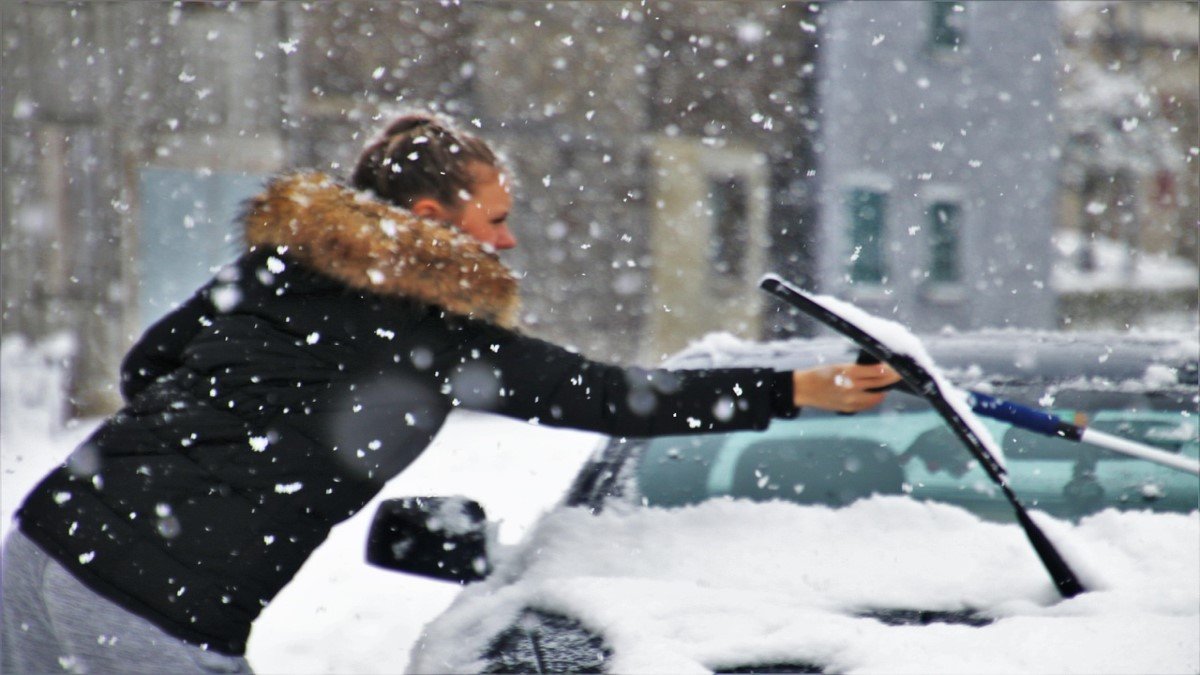
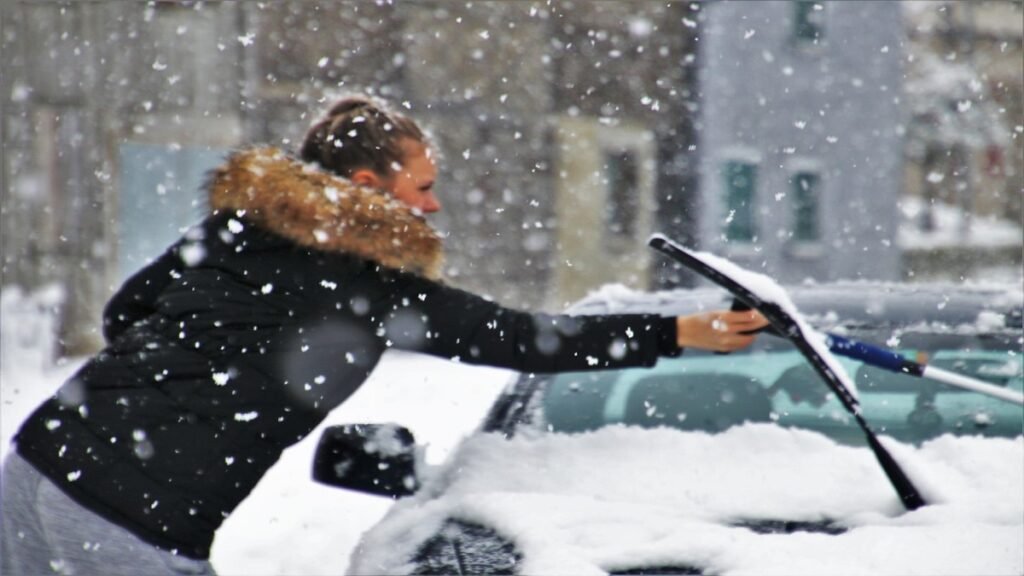
Winter weather in the UK can be unpredictable. Heavy snowfall, icy mornings and reduced visibility often arrive with little warning, catching many drivers off guard. Unlike countries with long, severe winters, British roads and vehicles are not always fully prepared for prolonged cold conditions.
That is why proper winter preparation is essential. Taking a few simple steps before setting off can significantly reduce the risk of accidents, improve visibility and make everyday journeys far safer — whether you are commuting to work, driving the school run or heading out on longer trips.
In this guide, we explain how to prepare your car for snowy conditions and why small details can make a big difference when winter hits hard.
Driving in snow and ice is very different from driving in normal conditions. Even experienced drivers can be caught out when grip is reduced and reaction times are affected.
Key winter risks include:
Proper preparation helps minimise these risks and ensures your vehicle remains safe and legal on UK roads.
One of the most common winter mistakes is clearing only a small section of the windscreen. While it may seem sufficient, it significantly reduces visibility and increases danger.
Before driving, always remove snow and ice from:
Snow left on the roof can slide forward when braking or fall onto other vehicles, creating a serious hazard.
Using a proper ice scraper and snow brush allows you to clear the vehicle quickly and safely without damaging glass or paintwork. Keeping one in the car at all times during winter is strongly recommended.
Cold temperatures affect many vehicle components. A short inspection can prevent breakdowns and dangerous situations.
Always use winter-grade screen wash with antifreeze protection. Ordinary fluid can freeze overnight, leaving you without visibility when you need it most.
Check that wiper blades are not cracked or worn. Old rubber hardens in cold weather and can smear the windscreen instead of clearing it.
Winter days are shorter and visibility is often poor. Make sure all lights are working and clean before every journey.
Cold weather reduces battery performance. If your car struggles to start, consider having the battery tested — winter is the most common time for breakdowns.
Winter driving safety is not only about what happens outside the vehicle.
Moisture from wet clothes and footwear can quickly fog up windows, reducing visibility from the inside. Keeping the cabin clean and dry helps demisting systems work more effectively.
Simple steps include:
A tidy interior also allows quicker reactions in unexpected situations.
You do not need specialist winter tyres or advanced equipment to improve safety. A few basic tools can dramatically increase comfort and preparedness.
Useful winter essentials include:
These items take little space but can save time, reduce stress and help you set off safely even on difficult mornings.
Even with a well-prepared vehicle, driving style is critical in snowy conditions.
Remember to:
Allowing extra travel time reduces pressure and helps you stay calm and focused.
Snowy winters in the UK may be unpredictable, but being prepared makes all the difference. Clearing your car properly, checking basic components and keeping a few essential tools close at hand can greatly improve safety and confidence on the road.
A little preparation today can help ensure smoother, safer journeys throughout the winter — whatever the weather brings.
