Address
86 Amesbury Road
Manchester M9 6JF United Kingdom
Use these bathroom mould prevention tips to cut damp, improve airflow and keep tiles, grout and ceilings cleaner with less day-to-day effort.
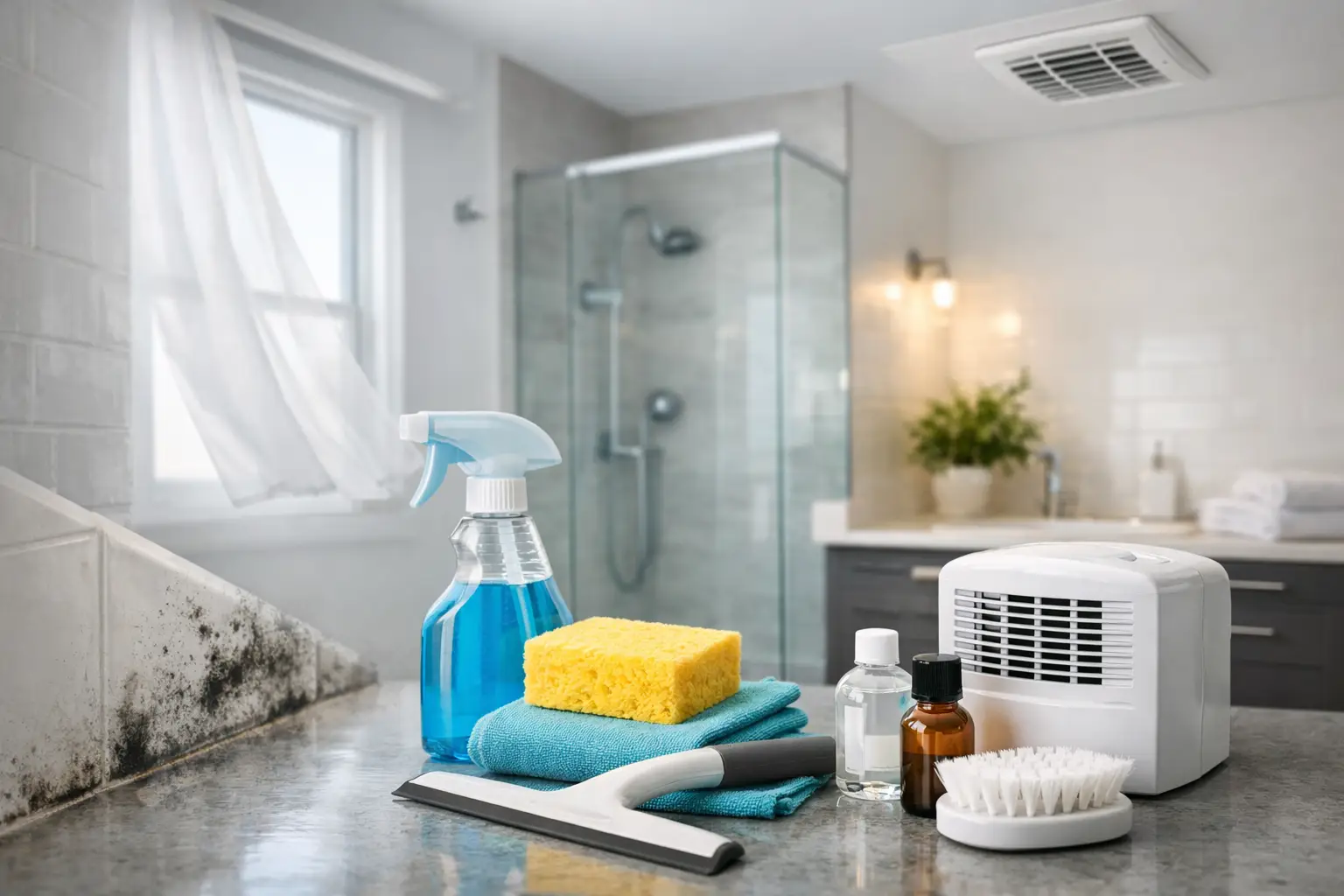
You usually spot mould after the damage is done – a black line around the sealant, specks on the ceiling, or that stale damp smell that says the bathroom never quite dries out. The good news is that most bathroom mould prevention tips are simple, low-cost habits rather than big renovation jobs. In most homes, the real fix is getting moisture out faster and stopping water from sitting where mould likes to grow.
Bathrooms are the perfect setup for mould. You have steam from showers, splashes around the basin, damp towels, limited airflow and plenty of surfaces where moisture can linger. If the room stays humid for hours, spores settle into grout, silicone, painted ceilings and even behind cabinets.
That is why wiping away visible mould is only half the job. If the room still gets steamy and stays wet, it often comes back. Prevention works best when you deal with the cause, not just the marks.
A fan only helps if it runs long enough. Switch it on before your shower if you can, and leave it running for at least 15 to 20 minutes afterwards. Lots of people turn it off as soon as they step out, which means all that steam remains trapped.
If your fan is noisy, weak or clearly not shifting much air, it may need cleaning or replacing. Dust builds up fast and cuts performance. In some older bathrooms, the fan is simply undersized for the room, so even good habits will only go so far.
Fresh air helps moisture escape more quickly, especially straight after bathing. Even opening the window a small amount for 10 to 15 minutes can make a difference. If your bathroom has both a window and a fan, use both together for better results.
Of course, this depends on the season and your layout. In winter, you might not want a wide-open window for long, and some bathrooms have no window at all. In that case, your fan matters even more.
This is one of the most effective bathroom mould prevention tips because it tackles moisture before it settles in. A quick wipe of tiles, shower screens, taps and windows cuts down standing water and reduces condensation.
It does not need to be a full clean every time. A squeegee on the glass and a cloth over the wettest areas takes a minute or two, but it can save a lot of scrubbing later.
Soft materials hold moisture for ages. If a towel stays bunched up or a bath mat never properly dries, mould and mildew get a head start. Hang towels spread out, not folded over on themselves, and wash bath mats regularly.
Shower curtains need attention too. If they stay pressed together, water collects in the folds. Pull them across after use so they can dry fully.
Cold bathrooms tend to collect condensation. Warm, moist air lands on chilly walls, windows and ceilings, then turns back into water. Keeping the room at a more even temperature can help reduce that.
This does not mean overheating the house. It just means that if the bathroom is icy cold most of the time, you may see more moisture sticking around. A little background warmth is often better than sharp swings between freezing and steamy.
Once sealant starts cracking or grout becomes porous, moisture can sit in tiny gaps and stay there. That creates the perfect conditions for recurring mould, especially around baths, shower trays and corners.
Look closely at blackened silicone, crumbling grout or areas that never seem to dry. Sometimes cleaning is enough. Sometimes the better option is replacing old sealant or regrouting small sections. It is a more permanent fix than bleaching the same patch every week.
Too many bottles, toys, baskets and storage tubs can block airflow and create hidden damp spots. Water drips behind them, dust gathers, and mould grows out of sight until you move something.
A simpler setup is easier to clean and dries faster. If you like to keep lots of products in the bathroom, try to store them so surfaces underneath can still be wiped and aired.
Not all bathroom mould comes from steam. Slow drips under the basin, a leaking toilet connection or water escaping from a shower screen can keep one area constantly damp. That sort of moisture is especially sneaky because it often builds up behind units or along flooring edges.
If mould keeps returning in one exact spot, look for a leak before assuming it is just condensation. The pattern usually tells you something.
If your ceiling regularly gets condensation, a bathroom paint designed to resist moisture and mould can help. It is not a magic fix, but it does give you a better surface for a humid room than standard paint.
This works best alongside good ventilation. If the room is constantly soaked with steam, even specialist coatings will struggle over time. Think of it as backup, not the whole answer.
A bathroom does not need a dramatic deep clean every few days, but regular light cleaning stops soap residue, grime and moisture from building up. Mould loves neglected corners, especially where dirt gives it something to cling to.
A quick weekly routine is usually enough for prevention – wipe the seals, clean grout lines, rinse product residue away and check problem spots before they spread. That is far easier than tackling a fully mouldy ceiling later.
Ceilings usually get the blame first, but mould often starts in less obvious places. Around window frames, behind the loo, underneath the sink, around extractor fan covers and behind freestanding storage are all common trouble zones. If your bathroom smells musty but looks fine at first glance, check those hidden areas.
Toothbrush holders, soap dishes and the bottoms of bottles can also trap water on surfaces. It sounds minor, but lots of small damp patches add up in a compact room.
Some bathrooms are simply harder work than others. A large family bathroom with back-to-back showers will hold more steam than a little en suite used once a day. A rented flat with no window and a weak fan may need more frequent wiping and cleaning than a well-ventilated home bathroom.
That is worth saying because not every tip works equally well in every home. If ventilation is poor, drying surfaces becomes more important. If you have older sealant, maintenance matters more. If several people use the same bathroom, routines need to be realistic rather than ideal.
The best mould prevention routine is the one you will keep doing. For most households, that means turning the fan on, opening the window when possible, wiping the wettest surfaces and washing fabrics regularly. Add a quick weekly check of grout, sealant and hidden corners, and you are already ahead of the problem.
If you want to make life easier, keep the right basics close by – a squeegee, absorbent cloths, cleaning spray and a decent bath mat that dries quickly. That way the job feels like part of the routine rather than a separate chore. It is the same thinking behind practical everyday essentials at EasyPeasyMate – simple tools that save time and hassle.
If mould keeps returning despite good habits, there may be a bigger issue behind it. Poor extraction, damaged sealant, hidden leaks or even insulation problems can all keep moisture levels too high. In that case, cleaning products alone will not sort it.
A good rule is this: if the same area goes mouldy again within a short time, do not just clean it harder. Check what is keeping that spot damp. Prevention works best when the bathroom can finally dry out properly.
A fresher bathroom usually comes down to a few steady habits, not endless scrubbing. Get moisture out quickly, keep surfaces clear and dry, and fix the small issues before they turn into stubborn ones.
