Address
86 Amesbury Road
Manchester M9 6JF United Kingdom
Learn how to clean patio tools properly with simple steps to remove rust, dirt and grime, helping your garden kit last longer and work better.
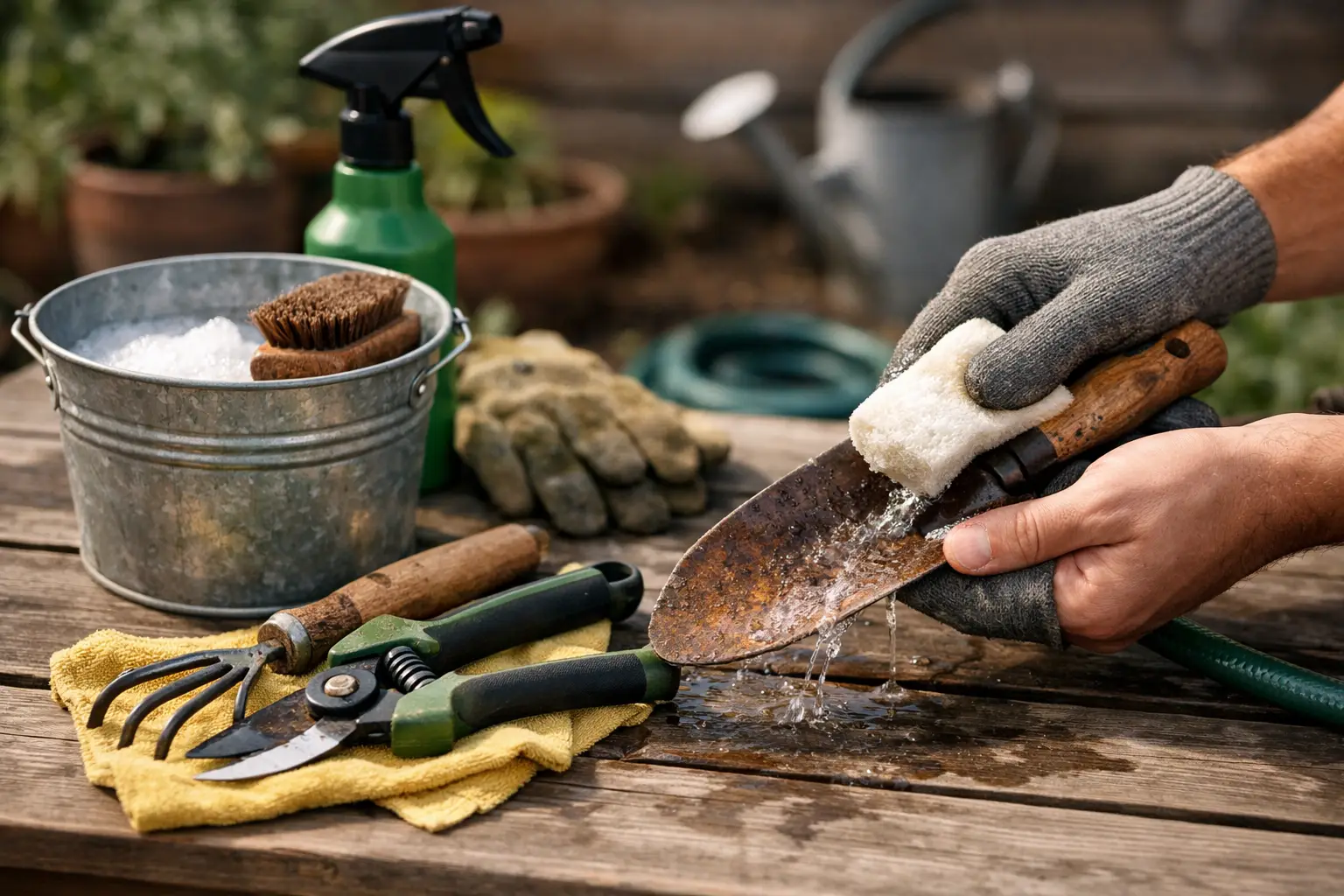
A trowel caked in old compost and a pair of sticky secateurs can turn a quick garden job into a proper faff. If you want your kit to last, work smoothly and stay safer to use, learning how to clean patio tools is one of those small jobs that pays off every time you head outside.
The good news is it does not need to be a big weekend project. Most patio and garden tools clean up well with a few basic supplies, a bit of warm water and five or ten minutes of attention. Leave them dirty for months, though, and you are more likely to end up with rust, blunt edges and wooden handles that start to crack.
Patio tools go through more than people think. Even if you are only sweeping paving, trimming around pots or clearing weeds between slabs, your tools pick up moisture, grit, plant sap and bits of soil. That mix is rough on metal and hard on moving parts.
Clean tools are easier to use and usually do a better job. A stiff broom drags badly when the bristles are clogged. Pruners get sticky and stop cutting cleanly. A hand fork with dried mud on the tines is harder to push into compacted soil around patio planters.
There is also the question of hygiene in the garden. If you use the same cutting tools on diseased and healthy plants without cleaning them, you can spread problems around your pots, beds and borders without realising it. You do not need a laboratory routine, just a sensible habit.
The best way to clean tools depends on what kind they are and how dirty they have become. For everyday grime, keep it simple. For rust or sticky residue, give them a bit more care.
Before you bring out water, knock off as much dry dirt as you can. Tap hand tools together gently or use a stiff brush to loosen caked-on mud. For larger items like spades, edging tools or hoes used around the patio, scrape the blade with a wooden stick or an old scraper.
This first step matters because wet mud smears everywhere and makes the job slower. If the dirt is very compacted, let it dry fully first. It often comes away more easily once it is no longer damp.
Once the loose dirt is gone, fill a bucket with warm water and a small amount of washing-up liquid. Use a cloth, sponge or scrubbing brush to clean metal, plastic and fibreglass parts. This is usually enough for trowels, hand forks, dustpans, patio brushes and many general outdoor tools.
Try not to soak wooden handles for long. A quick wash is fine, but leaving them sitting in water can cause swelling, splitting or a rough raised grain once dry. Wipe them down instead of submerging them.
For tools with moving parts, such as secateurs or shears, be a bit more careful around joints and springs. Clean the visible grime away thoroughly, but do not leave water trapped in the mechanism.
Some patio tools get covered in more than dirt. Pruners, loppers and trimming tools can collect sticky sap, while scrapers and knives may pick up stubborn residue. If warm soapy water does not shift it, rub the area with a cloth and a little white spirit or a suitable cleaner designed for tools.
Use just enough to loosen the mess. Once it lifts, wipe the tool again with a clean damp cloth and dry it properly. The goal is to remove the tacky build-up without leaving a harsh product sitting on the surface.
Light rust is common, especially if tools have been left outside or stored in a damp shed. The sooner you tackle it, the easier it is to remove. A wire brush, steel wool or fine sandpaper will usually sort small rusty patches.
Rub gently until the surface looks cleaner and smoother. If the rust is heavier, you may need a rust remover, but for many household tools that is not always necessary. What matters most is getting back to clean bare metal and then protecting it so the rust does not quickly return.
If a tool is deeply pitted or flaking, cleaning may only improve it so far. At that point, it becomes a trade-off between keeping it going for light jobs and replacing it before it fails when you need it most.
A lot of people clean tools well enough, then put them away damp. That is where the trouble starts. Moisture left on metal invites rust, and damp handles do not age well either.
Dry each tool straight after washing with an old towel or microfibre cloth. Pay extra attention to joints, screws and springs. If you have cleaned several tools at once, do not stack them in a wet heap while you get around to drying them later.
Once dry, add a light coat of oil to metal parts if needed. This is especially useful for blades, hinges and any tool you do not use every day. A small amount wiped on with a cloth is enough. You are not trying to make it greasy, just protected.
Wooden handles benefit from occasional care too. If they are looking dry or rough, a little linseed oil can help keep them in better shape. Not every handle needs this every time, but now and then makes a difference.
Cutting tools need slightly more attention because sharp blades and plant residue are a poor combination. If you are cleaning secateurs, shears or loppers, wear gloves and keep the blade pointed away from you while you work.
Wash off dirt first, then tackle sap or staining. After that, dry the tool and oil the pivot point lightly. If the blade is blunt, cleaning alone will not restore performance, so you may also need to sharpen it.
This is one of those areas where it depends on the tool. Some cheaper cutting tools are fine for general use but do not hold an edge for long. Better-made tools usually respond well to regular cleaning and sharpening, which makes them a better long-term buy if you use them often.
If you want to know how to clean patio tools and keep them cleaner for longer, storage is part of the answer. Even a perfectly cleaned tool will start to deteriorate quickly if it is left on wet paving or shoved into a damp corner.
Store tools somewhere dry and aired if you can. Hanging them up is better than leaving them on the ground, especially for tools with metal edges or natural bristles. Smaller hand tools can go in a storage box or organiser, but make sure they are dry first.
If your only option is a basic shed or outdoor box, do not worry. You do not need a fancy setup. Just keeping tools off the floor and out of standing moisture helps a lot. For busy households, simple storage is often the best storage because it is the one everyone will actually use.
You do not need to scrub every tool spotless after every job. For most homes, the easiest routine is to brush off dirt after each use, wipe down anything wet or sticky and do a more thorough clean every few weeks during the busy gardening season.
At the start of spring and again before winter, it is worth checking everything properly. Clean, dry, oil and sort the tools you want to keep in regular use. This is also a good time to spot cracked handles, loose fixings or badly rusted items before they become annoying or unsafe.
If you have children helping in the garden or simply like things easy to grab and use, a clean tool kit saves time. It turns little outdoor jobs into quick wins rather than one more task to put off.
At EasyPeasyMate.Shop, that is really the point of practical home and garden care. A few simple habits make everyday jobs easier, and clean patio tools are one of the easiest places to start.
The next time you finish sweeping, trimming or tidying the patio, give your tools two extra minutes before putting them away. Future you, standing outside with a job to get done before the rain starts, will be glad you did.
