Address
86 Amesbury Road
Manchester M9 6JF United Kingdom
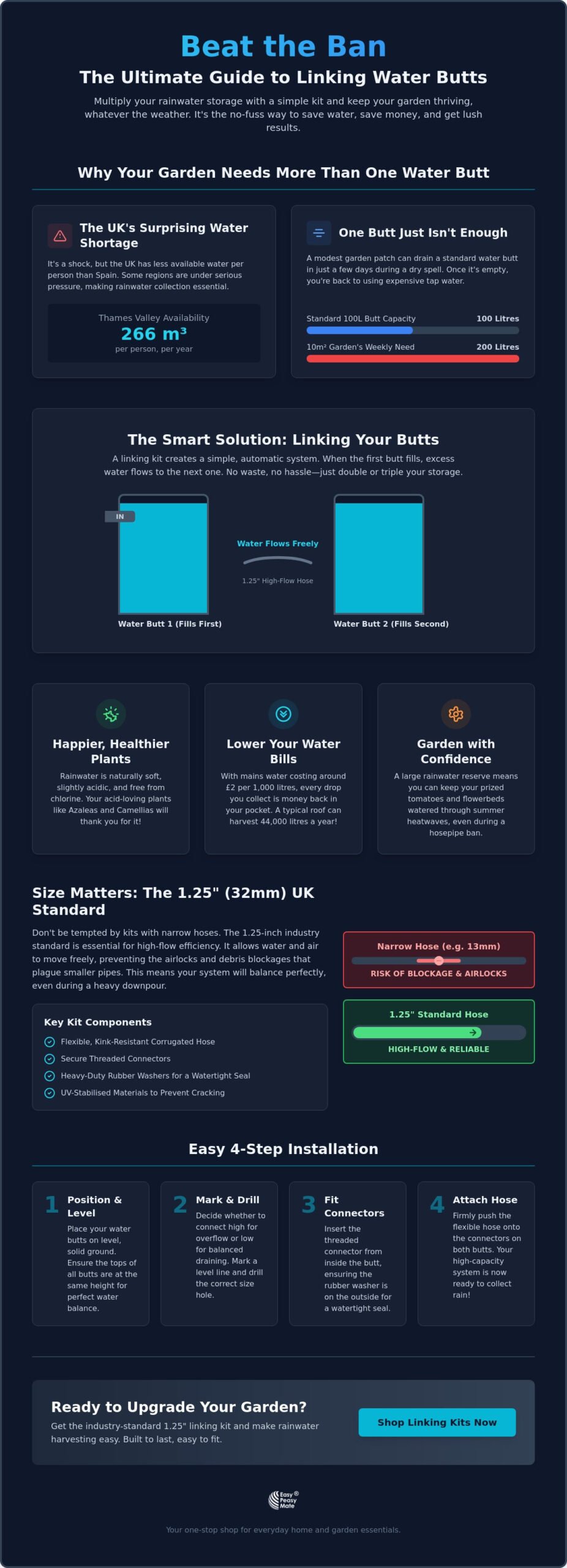
Did you know the UK actually has less water available per person than Spain or Italy? In some regions, like the Thames Valley, there is as little as...
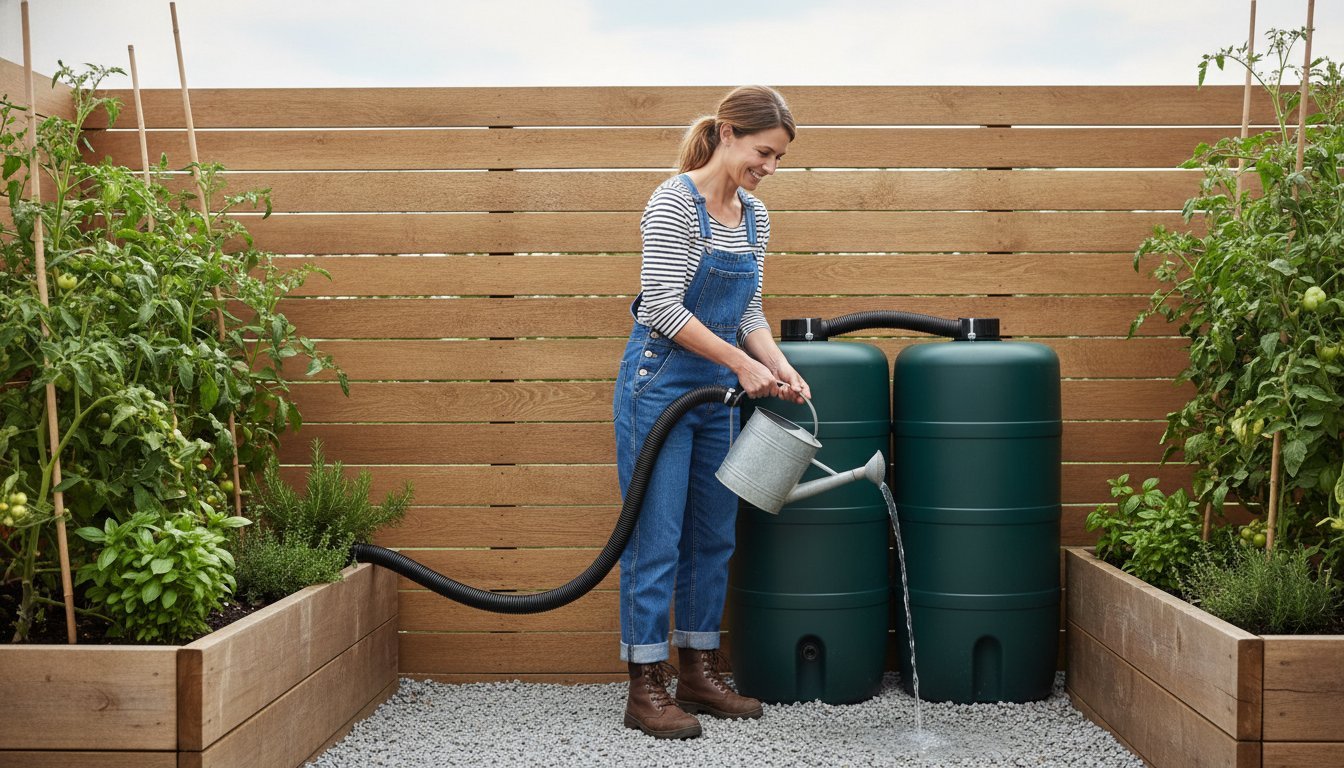
Did you know the UK actually has less water available per person than Spain or Italy? In some regions, like the Thames Valley, there is as little as 266 cubic metres per person annually. It is a frustrating reality for any gardener when the summer heat hits and the hosepipe bans begin. You have probably felt that pang of worry as your single water butt runs dry just when your prize tomatoes need it most. Using a water butt linking kit is the smartest way to solve this problem, allowing you to connect multiple tanks and significantly increase your rainwater harvest.
We know that the idea of drilling into your gear can feel a bit daunting. Nobody wants to deal with the confusion of 1.25 inch hose sizes or the fear of creating a leaky seal on a perfectly good tank. This guide is here to help you get the job done right the first time. We will show you how to create a reliable, watertight connection between your butts so you can lower your water bills and keep your garden lush. From choosing the right kit to the final installation, we have got you covered with a simple, no-fuss approach.
A water butt linking kit is a simple yet clever system of heavy-duty hoses and connectors designed to equalise water levels across multiple containers. Instead of relying on a single tank, this kit acts as a hydraulic bridge. It ensures that as one butt fills, the excess flows into the next, effectively doubling or tripling your storage capacity with very little effort. This setup is essential for anyone looking to make the most of a Rainwater tank system, ensuring you don’t waste a single drop of nature’s best resource.
With utility prices continuing to climb in 2026, harvesting your own water is a brilliant way to keep household costs down. Beyond the savings, your plants will actually thank you for it. Mains water often contains chlorine and fluoride, which can be harsh on delicate species. Plants like Japanese Maples, Camellias, and Azaleas thrive on the slightly acidic, mineral-rich nature of pure rainwater. By expanding your storage, you ensure a steady supply of the “good stuff” all year round, even when the clouds disappear for weeks.
It’s easy to underestimate how much water a garden actually needs. A modest 10m² vegetable patch or flower border can easily require 200 litres of water during a single dry week in July or August. If you only have one standard 100-litre butt, you’ll run out of supplies before the weekend even arrives. British weather is notoriously unpredictable, often providing a “harvesting window” of heavy downpours followed by weeks of drought. A single 100-square-metre roof can collect approximately 44,000 litres of rainwater per year. A single butt reaches capacity quickly during a storm; once it’s full, your standard gutter diverter simply sends those thousands of litres of potential savings straight into the drain.
The beauty of using a water butt linking kit is the flexibility it offers for your outdoor space. You don’t need to find room for one giant, unsightly tank. Instead, you can adopt a modular storage approach. This means you can keep one butt next to your downpipe and use the linking hose to reach a second or third butt tucked away behind a shed or around a corner. It prevents overflow wastage and allows you to organise your garden layout more efficiently. With mains water and wastewater processing costing around £2 per cubic metre, letting that water escape is like watching money disappear down the gutter. Whether you are a seasoned grower or a weekend hobbyist, this system grows with your needs. You can start with two linked butts and easily add more as your plant collection expands, ensuring your garden remains a lush, green sanctuary.
Choosing the right water butt linking kit is about more than just finding a piece of hose. To create a system that actually works without constant maintenance, you need to look at the specific dimensions and materials. Most experienced gardeners in the UK recognise the 1.25-inch (approximately 32mm) connector as the industry standard. This specific size provides the high-flow efficiency needed to move large volumes of water quickly between containers during a heavy downpour. It is the optimal balance between ease of installation and water transfer speed.
Why does that extra width matter? If you try to link butts using a standard 13mm garden hose, you will likely encounter airlocks and blockages. Debris like moss or small leaves from your gutters can easily plug a narrow pipe, leaving your second butt bone-dry whilst the first one overflows. A 1.25-inch diameter allows air to escape and water to flow freely, significantly outperforming narrower alternatives. This ensures that your storage levels remain equalised across all containers without you having to intervene. It is a simple fix that prevents the frustration of a half-empty system when you need it most.
A reliable kit should be built to last through many British winters and summers. When you are looking at different options, pay close attention to the individual parts. A high-quality setup typically includes:
Durability is another huge factor. Since your water butts likely sit in the garden year-round, the plastic must be UV-stabilised. Without this, the sun’s rays will make the hose brittle, leading to cracks and leaks within a single season. At EasyPeasyMate, we focus on “no-fuss” components that prioritise these heavy-duty materials. Our kits are designed to work with both round and square water butts, removing the guesswork from your DIY project. If you are ready to upgrade your garden setup, you can find our 1.25″ water butt linking kit alongside other practical essentials in our shop. By investing in quality seals and a wider hose, you save yourself the effort of fixing leaks later on, letting you get back to enjoying your garden.
Installing a water butt linking kit is a straightforward job that shouldn’t take more than twenty minutes. The key to a professional finish is in the preparation. Before you even touch a drill, make sure your water butts are completely empty. Water is incredibly heavy; a full 200-litre butt weighs approximately 200kg, making it impossible to move safely once you have started. Place your butts on level, stable ground. Using paving slabs is a smart move to prevent the tanks from sinking or tipping as they fill with rainwater.
To get a clean finish, you will need a few basic tools from your shed. Grab your power drill and either a 32mm hole saw or a 32mm spade bit. You will also need a measuring tape, a spirit level, and a pair of Knitted Work Gloves to protect your hands from sharp plastic burrs. Having everything to hand saves you from trekking back and forth to the garage mid-job.
If it is a chilly day, pop your linking hose into a bucket of warm water for a few minutes. This makes the plastic much more flexible and far easier to push onto the connectors. It is a simple trick that saves a lot of unnecessary wrestling with stiff pipes.
Start by measuring the height for your holes. Use your spirit level to ensure the marks on both butts are at exactly the same height. For most beginners, a “high” connection (about 10cm from the top) is the safest bet. This allows the first butt to fill almost completely before the water overflows through the water butt linking kit into the second one. If the holes are uneven, one butt will always be under-utilised.
When drilling, keep the drill steady and use a medium speed. Plastic can melt if you go too fast, which creates a messy, irregular hole that is prone to leaking. Once the holes are clear, it is time for assembly. Follow this specific order for a watertight finish:
Avoid the temptation to over-tighten with a heavy-duty spanner. You want a firm seal that compresses the rubber, but stripping the plastic threads will cause a permanent leak. Once both connectors are secure, simply push the flexible hose onto the ribbed ends. Your modular storage system is now ready for the next British downpour.
Once you have the hang of a single connection, you can start thinking about larger scales. A water butt linking kit allows you to build a custom storage network that fits your garden’s unique footprint. Whether you have a long, narrow side-return or a wide patio, the way you organise your butts changes how quickly they fill and how easy they are to use. It is a great time to organise your garden tools and clear some space whilst you are setting up your new modular water system.
The “Daisy Chain” or series method is the go-to choice for most UK gardens. You simply link the first butt to the second, and the second to the third. This layout is ideal for narrow spaces along a fence or wall. Water fills the primary butt first; once it reaches the connector height, it flows into the next container. If you have a larger area, you might consider a parallel setup. This involves multiple diverters or a manifold so every butt fills at the same time. It is perfect for high-capacity storage where you want all your reserves ready at once.
You might worry about what happens if your butts are on different levels. Thanks to the physics of communicating vessels, water will always seek the lowest point. If your second butt is lower than the first, it will fill up completely before the first one even starts to hold water. To manage overflow, always ensure the final butt in your chain has an exit route or a second diverter leading back to the drain. This prevents your patio from turning into a pond during a heavy storm.
A little bit of looking after goes a long way. Every autumn, take a moment to check your water butt linking kit for any buildup of sludge or leaves. This debris can settle in the hose and slow down the flow between tanks. Simply flush it through with a garden hose to keep everything running smoothly. A well-maintained linking kit can last over a decade in a standard UK climate.
Winter preparation is the most important step for longevity. Before the first hard frost hits, it is a good idea to drain the linking hose. When water freezes, it expands with incredible force and can split even the toughest plastic. By keeping the pipes clear during the coldest months, you ensure they are ready to go when the spring rains arrive. If you need to refresh your setup or add another tank to your collection, you can pick up a reliable heavy-duty linking kit from our online shop to get the job done properly.
Choosing a water butt linking kit shouldn’t be a headache. At EasyPeasyMate, our philosophy is simple: we provide straightforward solutions that save you time and effort. We’ve designed our kit so you can get your garden storage sorted in minutes without ever needing to call a professional plumber. It’s a practical, no-fuss approach that puts you in control of your rainwater harvesting. By cutting out the middleman, we offer high-quality, heavy-duty materials without the eye-watering “big box store” markups found at national retailers.
The secret to a reliable system lies in the seals. While cheaper alternatives often use flimsy plastic nuts that crack under pressure, our kit features superior seal technology. We use heavy-duty rubber washers specifically designed to withstand the unpredictable UK weather. Whether it’s a scorching July afternoon or a freezing January night, these washers expand and contract to maintain a watertight connection. This universal compatibility means the kit fits almost all standard UK water butts, whether they are traditional round barrels or space-saving square tanks.
We know that British gardens come in all shapes and sizes. That’s why our kit includes a flexible, corrugated hose that resists kinking and remains durable against UV damage. It won’t become brittle after one summer in the sun. Everything you need for a successful installation is included in one pack, reflecting our no-nonsense commitment to efficiency. Whilst you’re upgrading your outdoor setup, why not pair your kit with our Broom Head Stiff Bristle Garden Brush? It’s the perfect tool to keep your water butt area clean and free from moss or slippery algae buildup.
We’re more than just a shop; we’re your helpful partner in domestic life. When you order from us, you get free UK delivery on your essential garden accessories, ensuring you get the best value for your money. If you ever get stuck during the installation process, our friendly customer support team is based right here in Manchester. We’re always happy to help with any queries you might have about your setup or layout. Don’t let another rainy day go to waste. Get your 1.25″ Water Butt Linking Kit today and start saving rainwater the smart way, ensuring your garden stays lush and your water bills stay low.
You now have all the tools and knowledge needed to transform your garden’s water storage. By connecting multiple tanks, you ensure your plants stay thriving even when the British summer gets surprisingly dry. Remember that choosing the heavy-duty 1.25″ standard is the secret to preventing airlocks and blockages, whilst level ground and proper rubber seals keep your system perfectly watertight for years to come.
Using a reliable water butt linking kit is a smart, practical way to save money on your utility bills and build a more sustainable outdoor space. Our kits are made from UV-resistant materials specifically designed to handle the unpredictable UK climate without cracking or kinking. It’s a simple, no-fuss upgrade that makes a huge difference to your garden’s resilience. Everything you need is packed into one handy kit, so you can get the job done quickly and get back to enjoying your lawn.
Shop the 1.25″ Water Butt Linking Kit at EasyPeasyMate today and take advantage of Free UK Delivery on your essential garden accessories. It is time to stop letting that valuable rainwater run away and start storing it the easy way. Happy gardening!
Yes, you must empty the water butt before you begin the installation process. A full 200-litre tank weighs approximately 200kg, making it dangerous and impossible to move or tip to reach the inside for fitting connectors. Emptying the tank also allows you to clear out any sludge or garden debris that has settled at the bottom. This ensures a clean finish and prevents your new water butt linking kit from getting blocked.
Yes, you can absolutely connect butts of different sizes, shapes, or brands using a standard kit. The 1.25-inch connectors are designed to be universal and will fit into any plastic tank wall once you have drilled the hole. Just remember that water levels will equalise based on the height of the connecting hose. If one butt is significantly taller than the other, it will only fill up to the height of the shorter container.
The best height is usually about 10cm from the top of the water butts. This high connection allows the first butt to fill almost completely before the excess water flows into the second one. It’s the most efficient way to maximise your storage capacity without risking early overflows. Always use a spirit level to ensure the holes on both containers are at the exact same height to keep the system balanced.
Yes, a 1.25-inch water butt linking kit is designed to fit a standard 32mm hole perfectly. In the UK, these measurements are often used interchangeably in the plumbing and garden trade. Using a 32mm spade bit or hole saw will create a snug fit for the threaded connector. This tight fit is crucial because it allows the rubber washers to compress properly against the tank wall, creating a reliable, watertight seal.
To prevent leaks, ensure you place a heavy-duty rubber washer on both the inside and the outside of the tank wall before tightening the nut. These washers are designed to compress and fill any gaps, even on curved surfaces. Tighten the locking nut firmly by hand; avoid using heavy tools that might strip the plastic threads. If a leak persists, check that the hole is free from rough plastic burrs or debris.
You can link as many butts as your garden space allows by using multiple kits in a daisy chain layout. Simply install a connector on each side of the middle butts to act as a bridge. This modular approach is brilliant for large gardens where a single tank isn’t enough. Just ensure the final butt in your chain has an overflow pipe or diverter to handle any excess during heavy storms.
If your system is installed correctly, the first butt won’t overflow until the second one is also full. The linking hose acts as an escape route, moving excess water into the next container automatically. Once the entire chain reaches capacity, the water will back up into the original downpipe diverter and flow away through your standard drainage system. This prevents your patio or garden from flooding during periods of intense rainfall.
Connecting at the top is the preferred method because it’s easier to install and less prone to high-pressure leaks. It allows you to fill one butt almost to the brim before the water moves to the next. While bottom-linking equalises the water levels constantly, it puts more strain on the seals and can be harder to maintain. Top-linking is a no-fuss solution that works perfectly for most standard UK household needs.
The content on this blog is provided for general informational and educational purposes only. Whilst we endeavour to provide accurate DIY and gardening advice, it does not constitute professional structural, electrical, plumbing, or landscaping counsel. Always consult a qualified professional before undertaking major home improvements. EasyPeasyMate accepts no liability for any loss, damage, or injury incurred as a result of using the information provided on this website. Any reliance you place on such information is strictly at your own risk.
