Address
86 Amesbury Road
Manchester M9 6JF United Kingdom
Wondering when should car wipers be replaced? Spot the signs early, stay safe in bad weather, and keep your windscreen clear all year.
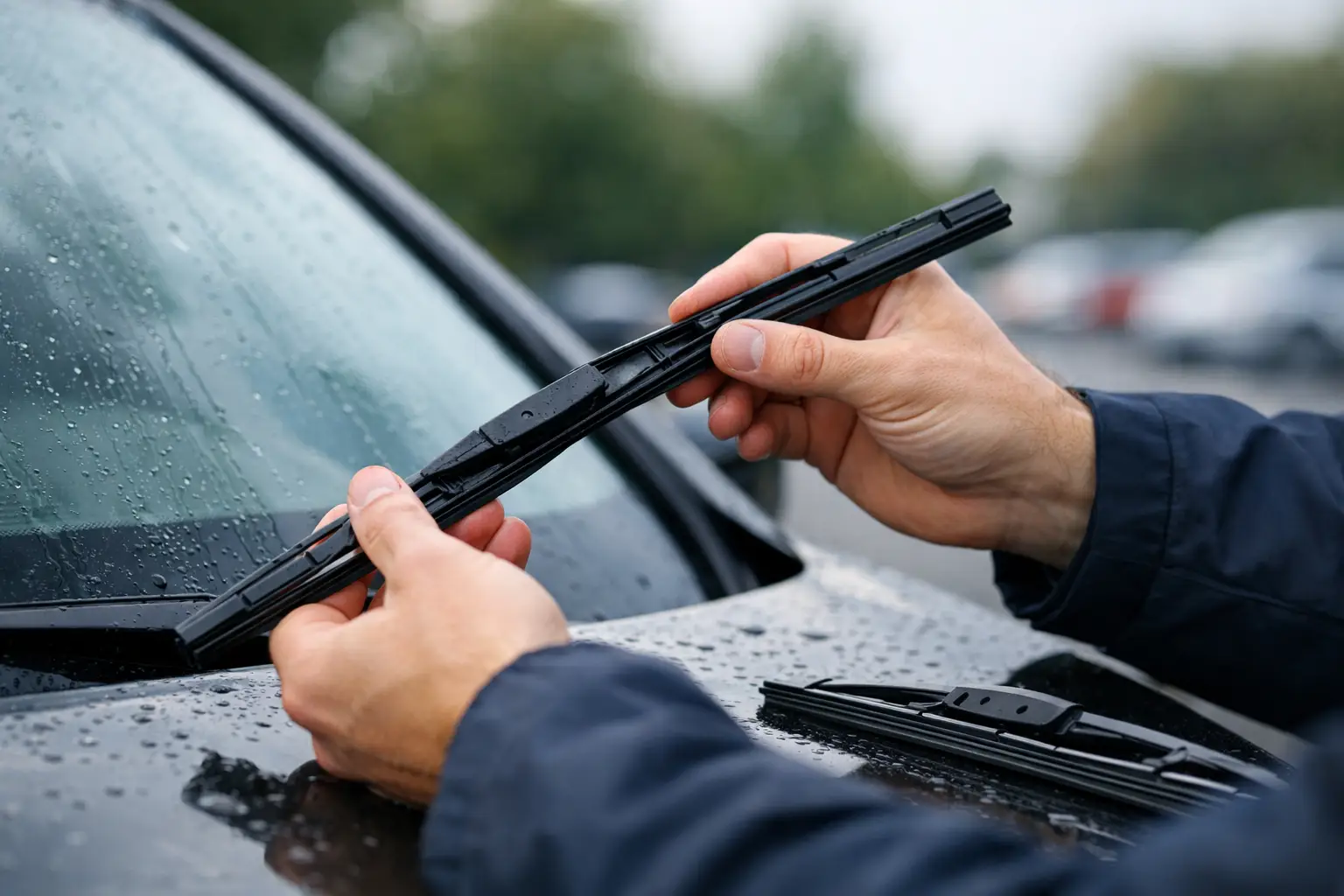
That first smear across the windscreen in a downpour usually tells you everything you need to know. If you’re asking when should car wipers be replaced, the short answer is before they start making wet-weather driving harder, noisier or less safe. Wipers are one of those small car essentials that are easy to ignore until visibility suddenly drops and you’re peering through streaks, juddering rubber and missed patches.
For most drivers, replacing wiper blades every 6 to 12 months is a sensible rule of thumb. But the real answer depends on how often you drive, where the car is kept, and what the blades are exposed to. A car parked outside through winter, summer sun, road grime and tree sap will usually get through blades faster than one kept in a garage and used occasionally.
UK weather is hard on wiper blades. Rain, grit, frost, motorway spray and long spells of damp all wear the rubber down faster than many people expect. That is why many motorists find annual replacement works well, with some needing a change closer to every six months if the car is used heavily.
It helps to think less about the calendar and more about performance. If your wipers clear the glass cleanly and quietly in one pass, they are likely still doing their job. If they leave lines, skip across the glass or make a chattering sound, they are already on borrowed time.
Winter is often when problems become obvious. Cold weather can stiffen the rubber, and scraping ice from the screen while blades are frozen down can damage the edge. Summer can be just as rough, as heat and UV exposure dry the rubber and cause cracking. In other words, there is no perfect season when blades fail – they simply wear in different ways.
A worn blade rarely fails all at once. More often, it slowly gets worse until you realise you’re compensating for it. You lean forward, slow down more than usual, or keep using the washer fluid hoping it will somehow improve things.
Streaking is one of the clearest signs. If the blade leaves thin wet lines behind, the rubber edge may be nicked, hardened or no longer sitting evenly on the windscreen. Smearing is slightly different and can happen when the blade is dragging dirt, oil or worn rubber across the glass rather than lifting it away.
Juddering or skipping usually means the blade is no longer moving smoothly over the screen. Sometimes that is down to grime on the blade or glass, but often it points to worn rubber or a blade that has lost its flexibility. Squeaking and chattering are also common warning signs. Not every noisy blade needs replacing straight away, but noise combined with poor clearing is a strong clue.
Missed areas are another issue. If part of the screen is left untouched, the blade may be warped, split or not pressing evenly across the glass. On modern curved windscreens, that can quickly become annoying and unsafe.
You should also replace your blades if you can see obvious damage. Cracks in the rubber, frayed edges, loose sections or bent frames all mean the blade is no longer reliable. Once the rubber starts breaking up, performance usually drops quickly.
Wipers seem simple, but they work in a surprisingly harsh environment. Every sweep drags the rubber against glass along with dust, road film, pollen and tiny bits of grit. Over time, that friction rounds off the sharp wiping edge that makes the blade effective.
Washer fluid helps, but it does not stop wear. In fact, dry wiping is one of the biggest causes of damage. If you use the wipers on a dusty or barely damp screen without enough fluid, the rubber is under more strain. The same goes for clearing frost or snow with the blades instead of using a proper scraper first.
Sunlight is another common culprit. Rubber left exposed to UV can harden and crack, especially during warmer months. Cars parked outside all year often go through blades quicker for that reason alone. Add in salt from winter roads and general grime, and it is easy to see why a cheap set of blades may not last as long as hoped.
There is also a quality difference between blades. Some budget options do the job well enough, but they may wear sooner or perform less consistently in heavy rain. Paying a bit more can sometimes mean longer life, quieter operation and a cleaner wipe. Still, even good blades are consumables. They are not meant to last forever.
Sometimes, yes – but only if the blades are dirty rather than worn out. If your wipers have started smearing, it is worth cleaning the rubber edge with a soft cloth and a little warm soapy water or screenwash. Clean the windscreen too, because built-up film on the glass can affect performance just as much as dirt on the blade.
This can buy you a bit more time, especially if the issue is caused by traffic film or pollen. But cleaning is not a fix for cracked, hardened or misshapen rubber. If the blade still performs badly after a proper clean, replacement is the sensible next step.
A lot of drivers leave it too long because the blades still technically move. That is the trap. Wipers do not need to stop working completely to be a problem. If they are reducing visibility rather than improving it, they are past their best.
Front blades usually wear out first because they are used more often and cover a larger area. Rear wipers can last longer, particularly on cars where the rear screen stays relatively clear. Even so, they should not be ignored.
A poor rear wiper can make reversing in bad weather much more awkward, especially in smaller cars, estates and SUVs where rear visibility matters. If the front blades have reached the end of their life, it is worth checking the rear one at the same time. Replacing all of them together is often the easiest option and saves remembering to do the rear later.
A little care goes a long way. Keep the windscreen clean, top up washer fluid, and avoid running the wipers over a dry dirty screen. If the car has been frosted over, free the blades gently before switching them on.
It also helps to lift leaves, dirt and debris away from the base of the windscreen where they can collect around the blades. If your car sits outside for long periods, regular checks matter more because weather exposure speeds up ageing even when the vehicle is not being driven much.
None of this makes blades permanent, but it can stop them wearing out unnecessarily fast. Think of it as low-effort maintenance that keeps one of your most useful safety features working properly.
If you are wondering when should car wipers be replaced, the best answer is before the next spell of bad weather catches you out. Waiting until a motorway journey in heavy rain is the worst time to discover the blades are shot.
Many drivers replace them at the start of autumn or winter as part of routine car upkeep, and that makes sense in the UK. But if your blades are already streaking in spring or squeaking through summer showers, there is no benefit in waiting for a season change. Replace them when performance drops, not just when the calendar says so.
There is also a value point here. Wiper blades are relatively inexpensive compared with the hassle of poor visibility, added driver stress or a failed MOT-related check if the screen cannot be cleared properly. It is one of the simplest jobs you can do to keep everyday driving easier.
If you like practical, no-fuss maintenance, this is one of the easiest wins. A fresh set of blades takes minutes to fit, makes wet-weather driving less tiring, and helps you feel more confident behind the wheel.
Good visibility should never be a guessing game. If your current blades are noisy, streaky or clearly worn, that is your cue to sort them now and make the next rainy journey one less thing to worry about.
