Address
86 Amesbury Road
Manchester M9 6JF United Kingdom
Wondering how often sharpen garden tools? Learn the right schedule, signs to watch for, and simple tips to keep every cut clean and easy.
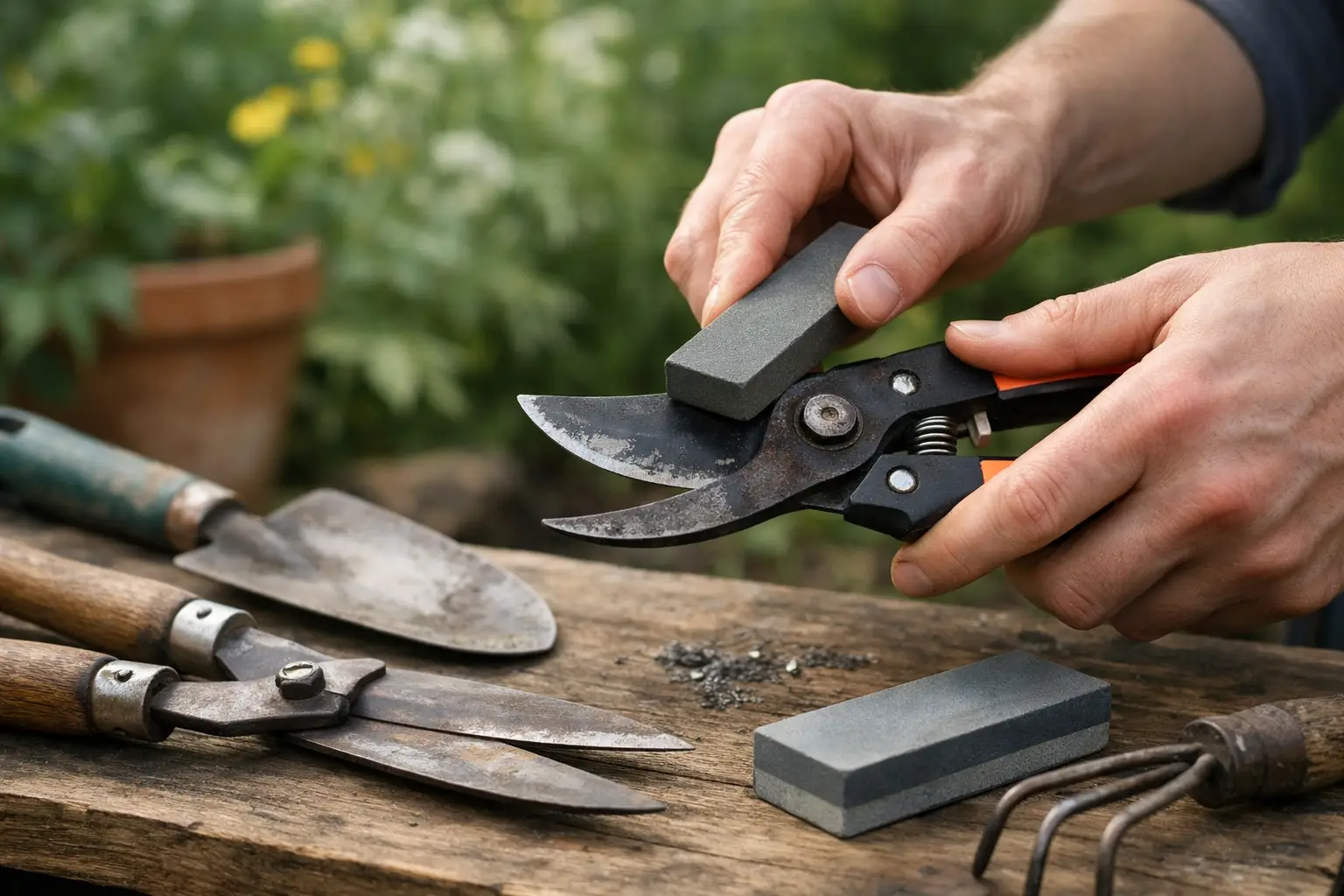
A pair of secateurs that crushes stems instead of slicing them is not saving you time – it is making every garden job harder. If you have been wondering how often sharpen garden tools, the short answer is this: more often than most people do, but not necessarily after every single use.
The right sharpening schedule depends on the tool, how often you use it, what you cut, and how well you clean and store everything afterwards. A busy spring in the garden will blunt blades much faster than a quiet winter. Soft green growth is kinder on an edge than woody stems, dry branches or gritty soil. So rather than aiming for one fixed rule, it is smarter to work with a simple rhythm and learn the signs that a tool is due.
For most households, cutting tools such as secateurs, shears, loppers and knives benefit from a light sharpen every few weeks during the main growing season. If you garden often, that could mean every 2 to 4 weeks. If you only head outside now and then, a touch-up at the start, middle and end of the season may be enough.
Heavier tools need a slightly different approach. Spades, hoes, edging tools and shovels do not need a razor edge, but they do work better with a clean bevel. For these, sharpening once or twice a season is often enough, unless you are working in stony ground or doing regular digging. Lawnmower blades usually need attention once or twice a year for the average garden, though large lawns and frequent mowing can push that higher.
That is the practical answer, but there is another way to judge it that is often more useful: sharpen when performance drops. A tool does not need to be completely blunt before you act. In fact, light, regular maintenance is far easier than rescuing a neglected edge.
A sharp tool feels easy to use. You do not have to force it, twist it or go back over the same cut. Once that changes, the edge is telling you something.
Secateurs and loppers should cut cleanly through stems. If they start tearing bark, leaving ragged edges or crushing softer growth, they need attention. Hedge shears should clip neatly and evenly. If they snag or miss bits of growth that they used to handle easily, the blades are likely losing their edge.
With digging tools, the signs are a bit less obvious. A spade that feels like it is bouncing off the soil, rather than biting in, may need sharpening. A hoe that drags instead of slicing weeds at the root is another clue. For mower blades, watch the lawn itself. Torn, frayed grass tips that turn brown soon after cutting often point to a dull blade rather than a problem with the grass.
Rust, sap build-up and small nicks matter too. Sometimes the issue is not only sharpness but the condition of the blade surface. Cleaning and sharpening often go hand in hand.
It helps to think in categories rather than trying to treat every garden tool the same.
These work on live plant tissue, where a clean cut matters. A sharper edge is better for the plant and easier on your hands. If you use them weekly in spring and summer, inspect them every couple of weeks and sharpen as needed. Heavy pruning sessions may justify a touch-up straight afterwards.
These can often go a little longer than secateurs, but not by much if they are in regular use. During active hedge trimming or shrub work, sharpening monthly is a sensible starting point.
These need durability more than fine sharpness. A quick file at the start of the season and another mid-season is enough for many gardens. If your soil is sandy or full of stones, expect edges to wear faster.
Most domestic mowers need the blade sharpened every 20 to 25 hours of mowing, which often works out to once or twice a year. Hitting twigs, stones or rough patches can shorten that quite a bit.
Leaving a blade until it is properly blunt usually means more effort, more metal removed and a shorter life for the tool. A quick maintenance sharpen keeps the original edge in better shape and makes each job faster.
There is a comfort factor as well. Blunt tools make you grip harder and push more. That turns a simple bit of pruning or digging into a job that leaves your hands, wrists and shoulders feeling it. For anyone trying to keep garden upkeep easy and manageable, that extra strain is reason enough not to put sharpening off too long.
There is also the plant health side. Clean cuts heal better. Ragged cuts can leave plants more vulnerable to stress and disease, especially when pruning shrubs, roses or fruit plants.
If you want tools to stay sharper for longer, the real win is routine care. Wiping blades after use, removing sap, drying off moisture and storing tools somewhere dry all make a difference. A blade coated in dirt or rust will feel worse even if the edge itself is not too bad.
For pruning tools, a quick clean after each session is often enough. If you have been cutting anything sticky, thorny or diseased, do not leave the residue sitting there. Digging tools benefit from having soil knocked off before it dries hard. A light oil on metal parts can help keep rust at bay.
This is where practicality matters. The easier you make the routine, the more likely you are to do it. Keeping a basic cleaning cloth, a sharpening tool and a bit of oil together saves faffing about later.
Not everyone is out in the garden every weekend. If your outdoor space is smaller or your gardening is more occasional, you probably do not need a strict schedule. A very workable approach is to check everything at the start of spring, again in mid-summer and once more before storing tools for winter.
That said, occasional users sometimes need sharpening more than they expect, because tools are more likely to be stored dirty or damp between uses. A neglected edge can deteriorate quietly in the shed. So if a tool has been sitting for months, inspect it before the next job rather than assuming it is fine.
One of the biggest is using the wrong tool for the job. Cutting thick woody stems with light secateurs, hacking at roots with a border spade, or clipping into hidden wire with hedge shears will dull or damage edges quickly.
Another is sharpening badly or too aggressively. You do not need to grind away lots of metal every time. The aim is to restore the edge, not reshape the whole tool unless it is damaged. Keeping to the original bevel matters, especially on pruners and shears.
Storage is another quiet culprit. Tools tossed into a damp corner, left outside after use or knocked together in a shed will not hold a decent edge for long. Even affordable tools can last well if treated properly.
If you want the easiest answer to how often sharpen garden tools, use this pattern. Check cutting tools little and often during the busy season. Sharpen at the first sign of dragging, tearing or extra effort. Refresh digging tools once or twice a season. Inspect mower blades yearly, or sooner if the lawn starts looking rough after cutting.
That approach keeps you ahead of the problem without turning garden maintenance into another chore. It is also usually cheaper in the long run, because tools that are cleaned, sharpened and stored properly tend to last longer and work better.
For most people, the goal is not workshop perfection. It is simply having tools that do their job cleanly, safely and without a struggle. That is more than enough to make regular garden jobs feel quicker and far less frustrating.
A good rule to keep in mind is this: if a tool starts making a simple task feel awkward, do not fight with it. Give it a clean, check the edge, and sort it before the next job. Your garden, your hands and your weekend will all be better for it.
