Address
86 Amesbury Road
Manchester M9 6JF United Kingdom
Find the best garden kneeling pads for comfort, grip and support. A practical guide to choosing the right pad for easier gardening at home.
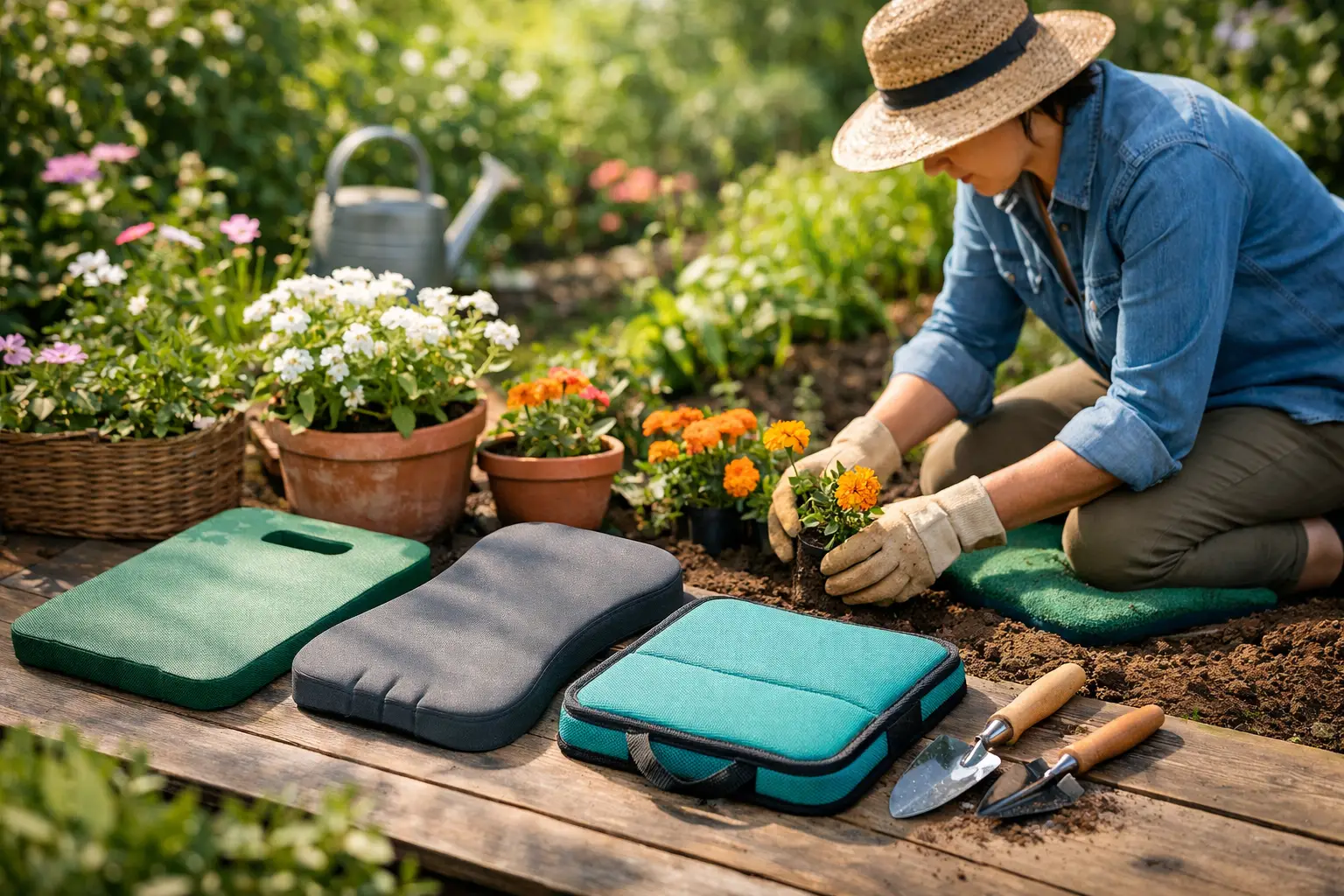
One awkward hour of weeding is usually all it takes to realise that hard ground and sore knees are a poor match. The best garden kneeling pads make a simple job far more comfortable, whether you are planting bulbs, edging a border or sorting out the veg patch after rain.
A good kneeling pad is one of those small garden essentials that earns its place quickly. It does not need to be flashy. It just needs to keep you comfortable, stay put on the ground and hold up well when it gets muddy, damp or left by the shed more often than planned.
The short answer is comfort, but not the soft, squashy kind that bottoms out after five minutes. The best pads have enough cushioning to protect your knees from gravel, compacted soil and paving, while still feeling supportive. If a pad is too thin, you will feel every stone. If it is too soft, your knees can sink through and you lose the benefit.
Material matters more than many people expect. Dense foam tends to be the most popular because it is lightweight, affordable and easy to rinse clean. EVA foam is especially common because it offers a decent balance between firmness and cushioning. Some pads use memory foam or gel layers, which can feel lovely at first, but they are not always the best option outdoors if they absorb water or take ages to dry.
Size is another big factor. A compact pad is handy if you move around the garden a lot and want something easy to carry. A larger pad gives you more room to shuffle and change position, which can be more comfortable during longer jobs. There is no single right answer here – it depends on how you garden.
If you are comparing options, a few features genuinely make life easier.
A water-resistant surface is one of them. British gardens are not known for staying dry, and kneeling on damp soil with a pad that soaks everything up is not much of an upgrade. A wipe-clean finish is even better, especially if you would rather spend your time trimming roses than scrubbing mud out of textured fabric.
A built-in handle is another useful detail. It sounds minor, but it makes the pad easier to grab, carry and hang up after use. If you are moving between flower beds, pots and greenhouse jobs, that convenience adds up.
Grip also deserves attention. Some kneeling pads slide about on decking or paving slabs, which is annoying at best and a bit risky at worst. A pad with a slightly textured underside or a more stable foam construction tends to stay in place better.
Thickness can be tricky. Many people assume thicker always means better, but that is not quite true. Around 2 to 4 cm is often the sweet spot for general gardening. Thinner than that may not protect enough, while very thick pads can feel unstable if the ground is uneven.
The best choice depends on the jobs you do most often. If you mainly pot up plants on the patio or greenhouse floor, a lighter and slimmer kneeling pad may be perfectly fine. You are usually dealing with flatter surfaces, shorter tasks and less need for heavy-duty cushioning.
If you spend longer stretches weeding borders or planting in open ground, a denser and larger pad is usually worth it. Uneven soil puts more pressure on your knees, and a better pad helps reduce that familiar ache that starts small and lingers all evening.
For older gardeners or anyone with sensitive joints, support matters more than portability. In that case, look for a firmer high-density foam pad rather than the cheapest soft option. A pad that keeps your knees lifted slightly from the ground can make getting up easier too.
If storage space is tight, a simple rectangular pad with a handle is usually the easiest buy. It can tuck into a shed, porch or utility cupboard without fuss. For people who want extra flexibility, some kneelers fold or convert into low seats, but that moves into a different product category and is not always necessary if all you want is quick, reliable knee support.
One of the biggest mistakes is buying based on softness alone. In the shop or on first touch, the plushest pad can seem like the winner. In practice, a firmer dense foam option often performs better outdoors because it resists compression and gives steadier support.
Another mistake is ignoring the surface it will be used on. Soil, gravel, patio slabs and greenhouse flooring all feel different under your knees. If you mostly kneel on stone or rough paving, you need more protection than someone working on softer beds.
It is also worth thinking about weather and storage. Some garden kneeling pads cope well with occasional dampness, while others degrade quickly if left outside. If you know you are likely to forget it in the garden now and then, choose a pad made for that level of real-life use rather than something delicate.
And then there is size. Pads that are too small can be frustrating because you spend more time repositioning them than gardening. Pads that are too large can feel awkward if you move often or carry tools at the same time. Comfort and convenience need to work together.
A higher price does not always mean a better kneeling pad. Good value usually comes from durable materials, practical design and comfort that lasts beyond the first few uses. A budget pad can be excellent if the foam is dense enough and the finish is easy to clean.
That said, very cheap options sometimes wear out fast. They can split around the handle, flatten in the middle or start crumbling after a season in the shed. Replacing a poor pad every few months is not really a bargain.
For most households, the sweet spot is a mid-priced kneeling pad that feels sturdy in the hand, has enough thickness for your usual garden jobs and does not fuss over mud or drizzle. That is the kind of everyday essential that suits a practical shop like EasyPeasyMate.Shop – useful, straightforward and built to make routine tasks easier.
The good news is that most kneeling pads are low-maintenance. A quick rinse or wipe after use is usually enough. If mud dries on, warm soapy water should sort it without much effort.
Try not to leave the pad in direct sun for weeks at a time, especially if it is made from foam that can become brittle. Storing it in a shed, garage or covered box will help it last longer. Hanging it by the handle also keeps it off damp floors and makes it easier to find when the weeding mood strikes.
If the pad starts to stay compressed after use or develops cracks, it is probably time for a replacement. Once the cushioning goes, your knees will notice.
For many gardeners, a simple kneeling pad is all that is needed. It is light, affordable and easy to grab for quick jobs. If you garden little and often, that simplicity is a big plus.
But there are times when a basic pad may not be enough. If you have trouble getting up and down, or you spend long periods working close to the ground, a garden kneeler with side handles or a fold-out seat might suit you better. That is not a flaw in the pad – it just means the right solution depends on your routine and your mobility.
The same applies if you garden on very wet ground. A kneeling pad will protect your knees, but it will not stop your trousers getting damp if the border is soggy. In those cases, pairing the pad with practical garden clothing makes more sense than expecting one item to do everything.
If you want a quick way to narrow it down, start with three questions. How long do you usually kneel for? What surface are you working on most? And do you want something compact or roomy?
Short jobs on patios or in the greenhouse usually call for a light, medium-thickness foam pad. Longer sessions on borders or rough ground need denser cushioning and a bit more space. If comfort is your top concern, firmness matters more than fancy extras. If convenience matters most, keep an eye out for a carry handle and an easy-clean finish.
The best garden kneeling pads are not complicated products. They are practical, dependable and designed to take the sting out of everyday garden jobs. Choose one that suits the way you actually work, not the way you imagine you might work on your most organised weekend. Your knees will thank you for it, and the garden jobs will feel a lot less like a chore.
