Address
86 Amesbury Road
Manchester M9 6JF United Kingdom
Our solar fence lights review covers brightness, battery life, build quality and fit, so you can pick practical outdoor lighting that lasts.
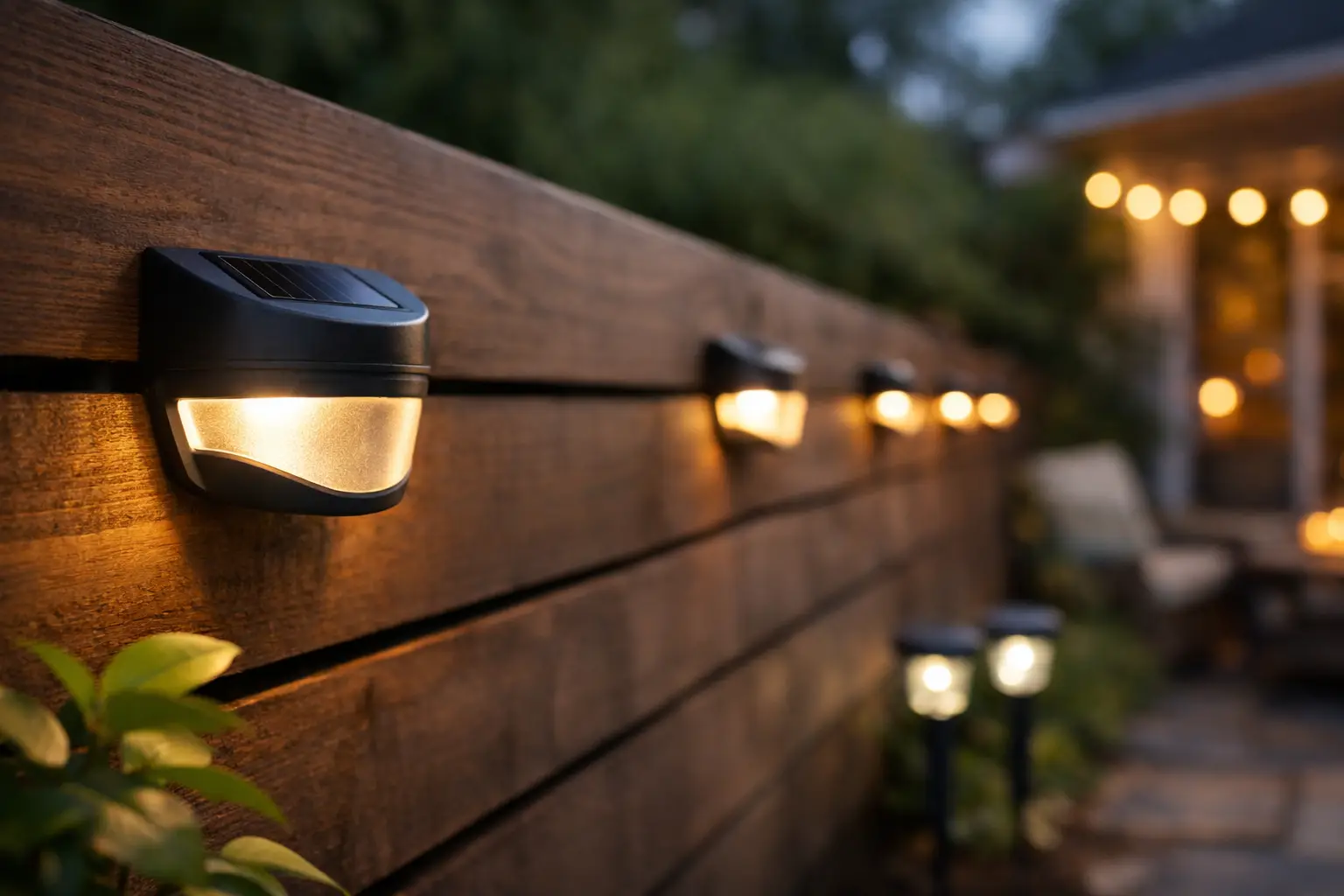
A good solar fence lights review should save you from two annoyances – dull lighting that barely shows the path, and cheap fittings that give up after a wet British week. If you want your garden to look neater, feel safer and stay low-maintenance, solar fence lights can be a smart little upgrade. The trick is knowing which ones are actually useful and which ones only look good in the photos.
For most households, these lights are not about creating a show garden. They are about making fences, patios, side returns and decking edges more usable without adding wiring, calling an electrician or running up the electric bill. That is exactly why they appeal to busy homeowners and renters alike – quick to fit, simple to live with and handy all year round.
The first thing most people look at is brightness, but that is only half the story. A very bright light can still be disappointing if the beam is too narrow, the battery fades after a few hours or the casing lets in water. In real use, the best solar fence lights balance steady output, decent run time and weather resistance.
For a standard UK garden fence, a softer warm white light often looks better than a harsh cool white. Warm white gives a cleaner, more welcoming finish around seating areas and borders, while cool white can work better for paths, gates and side access where visibility matters more than atmosphere. It depends on where you are putting them and what job you want them to do.
Build quality is another big divider. Better lights usually have sturdier plastic, better sealing around the solar panel and screws that do not feel flimsy straight out of the box. If the unit feels lightweight in a bad way, or the mounting point looks weak, that tends to show up quickly once wind and rain arrive.
Some buyers expect solar fence lights to perform like mains-powered security lights. That is usually the wrong benchmark. Fence lights are better treated as accent lighting with practical benefits. They can mark boundaries, make steps easier to see and lift the look of the garden, but most are not designed to flood a large space.
If you want subtle evening glow, lower-lumen lights are often enough. If you want to light a longer run of fencing or improve visibility near a path, go for brighter models and place them closer together. Spacing matters almost as much as the power output.
This is where many products look great in summer and less great from October onwards. In bright conditions, most decent solar fence lights will charge well and run through much of the evening. During darker, cloudier stretches, performance naturally drops.
That does not always mean the product is poor. It is simply one of the trade-offs with solar lighting in the UK. Better models cope more consistently with limited daylight, but no solar light is completely immune to short winter days. If your fence line gets only partial sun, it is worth lowering expectations slightly and prioritising efficient LEDs and reliable batteries over flashy design.
Size catches people out more often than expected. Some solar fence lights are compact and tidy, which suits narrow fence posts and smaller gardens. Others are chunkier and can look oversized on close-board panels. Always think about scale, especially if you are fitting several in a row.
Mounting style matters too. Screw-fix lights are usually the more secure option for timber fencing, while adhesive-backed versions can be quicker but are less dependable over time, particularly in wet or cold conditions. If you want a fit-and-forget option, screws are normally the safer bet.
Motion sensor models are worth considering if the light is near a gate, shed, driveway edge or side passage. They can help preserve battery life by staying dim until movement is detected. That said, sensor lights are not always ideal for relaxed seating areas where a steady glow looks better and feels less abrupt.
For outdoor use, water resistance should never be an afterthought. A proper outdoor rating matters because fence lights take direct exposure from rain, wind and temperature changes. A product can look well designed online and still fail early if the seals are poor.
Even so, a strong IP rating is not a magic guarantee. Real durability also comes down to manufacturing quality. A well-made light with a sensible design often outlasts a supposedly higher-spec one built down to a price.
This sounds obvious, but it is one of the biggest reasons people leave poor reviews. If the solar panel is shaded by trees, nearby walls or the fence orientation itself, the light will not perform at its best. South-facing or west-facing spots usually give better charging conditions, while heavily shaded areas can lead to weaker evening output.
Before buying a larger pack, it is worth checking how much direct daylight your fence actually gets. A bargain multipack is less of a bargain if half the lights spend the year underperforming.
Flat wall-mounted lights are the most versatile choice for typical fence panels. They are neat, easy to line up and suitable for general ambient lighting. These are often the best option if you want a clean, simple finish without overthinking it.
Downlight-style units create a more decorative effect by washing light downward across the fence or wall. They tend to look smarter on patios and modern garden setups, though they may offer less practical spread on the ground below.
Post cap solar lights are ideal if you have fence posts of a matching size and want a tidier built-in look. They can look excellent, but they are more size-dependent than standard wall-mounted styles. If your posts are not uniform, installation can turn fiddly.
Motion-activated models are more functional than decorative. They suit side paths, bins, sheds and gates where a burst of brighter light is genuinely useful. For family homes, they can be especially handy near steps or darker access points.
A lot of negative feedback follows the same pattern. The lights were smaller than expected, dimmer than imagined or fitted in the wrong location. In other words, some disappointment comes from poor product quality, but a fair bit comes from mismatched expectations.
Another common issue is uneven charging. If one side of the garden gets decent sun and another sits in shade, lights from the same pack may not perform equally. That can make buyers think the set is faulty when the real problem is placement.
Then there is winter performance. Solar products nearly always receive more criticism in colder months, and sometimes that is fair. But if you are buying solar fence lights for year-round use in Britain, it helps to think of winter output as functional rather than impressive. A good set should still provide useful light, just not peak summer performance.
For most homes, yes – if you buy with the right expectations. They are affordable, easy to install and genuinely useful for making outdoor spaces feel more finished and more practical. You avoid wiring, keep running costs down and get a simple upgrade that can make a visible difference fast.
They are especially worth it if you want to smarten up a garden on a budget, improve evening visibility around fences and paths, or add low-effort lighting to a rental or family home. For those jobs, solar fence lights are hard to beat on convenience.
Where they fall short is in deep shade, very demanding winter use or situations where you need strong, reliable brightness all night long. If that is your goal, mains-powered lighting may be the better fit. It is less convenient, but more dependable.
A practical approach is to treat solar fence lights as part style upgrade, part everyday help. Pick models with decent weather resistance, sensible brightness and secure fixing points. Buy for the space you actually have, not the picture in your head. That way, you are far more likely to end up with lighting that feels easy, useful and worth having – which is exactly the point for shoppers at EasyPeasyMate.Shop.
If you want one final rule of thumb, go for dependable over flashy. A simple light that charges well and survives the weather will do more for your garden than a clever-looking one that spends half the year struggling.
