Address
86 Amesbury Road
Manchester M9 6JF United Kingdom
Our guide to reusable cleaning cloths helps you choose, wash and use the right cloth for kitchens, bathrooms, cars and everyday household jobs with ease.
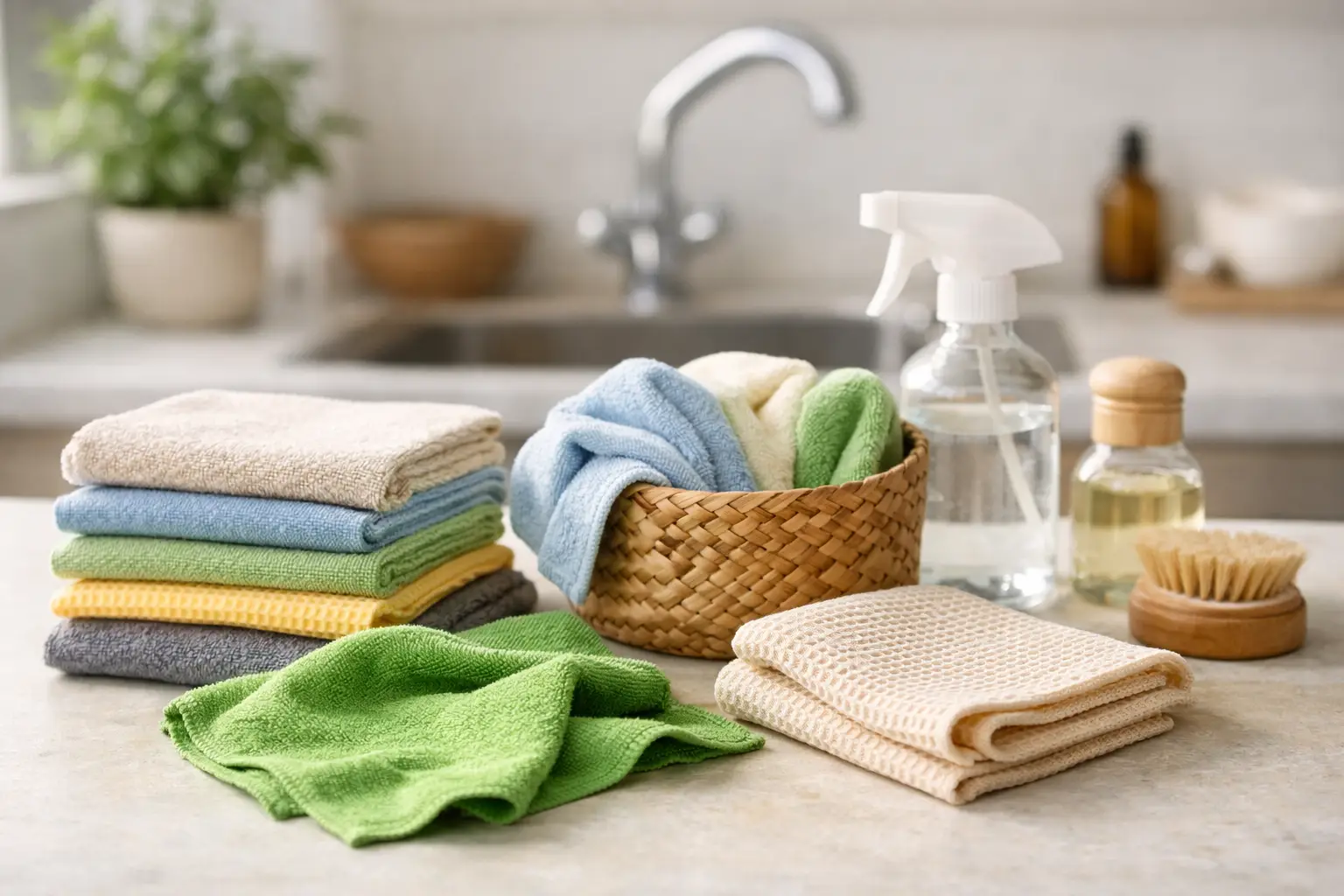
A cloth that leaves lint on the mirror, spreads greasy residue across the hob or starts to smell after one use is not making cleaning easier. The right reusable cloth can handle a surprising number of everyday jobs quickly, then go through the wash ready for next time. This guide to reusable cleaning cloths makes choosing, using and caring for them simple, so your cleaning cupboard works harder without becoming cluttered.
Disposable wipes and kitchen roll have their place for truly messy jobs, such as mopping up raw meat juices or dealing with a pet accident. For routine wiping, polishing and washing up, though, reusable cloths are usually the more practical option. Keep a small set on hand and you will always have something suitable for the kitchen worktop, bathroom basin, dusty shelf or car dashboard.
The main benefit is convenience over time. A good cloth can be rinsed, dried and reused repeatedly, while a washable set means fewer last-minute runs for rolls of paper towels. They can also be more economical in a busy household, particularly when different cloths are assigned to different rooms.
That said, reusable does not mean use one cloth for everything. Hygiene still matters. A cloth used around the toilet should never return to the kitchen, and a greasy pan cloth will not give glass the streak-free finish you want. A little organisation is the easy answer.
There is no single best cloth. The useful choice depends on what you are cleaning, how much liquid is involved and whether you need scrubbing power or a gentle finish.
Microfibre cloths are a household favourite because their fine fibres pick up dust, grease and light grime effectively. Used dry, they are excellent for dusting shelves, blinds, screens and furniture. Used damp, they work well on kitchen doors, bathroom fittings, tiles and most sealed surfaces.
For mirrors, windows and shiny taps, use a clean microfibre cloth that is only lightly damp, then buff with a dry one if needed. Too much water or a cloth carrying detergent residue is often what causes streaks.
Microfibre is not ideal for every situation. Avoid using fabric softener when washing it, as this coats the fibres and reduces their cleaning performance. Also, if you use a cloth with strong oils, polish or heavy grease, wash it separately from lighter household laundry where possible.
Cotton cloths, including traditional dishcloths and recycled cotton cleaning cloths, are absorbent and comfortable to use. They are handy for washing up, wiping spills, cleaning painted surfaces and tackling general kitchen jobs. Their thicker feel can make them a good choice when you need to hold warm water or apply a little more pressure.
The trade-off is that cotton may take longer to dry than a thin microfibre cloth. If left damp in a heap, it can quickly develop an unpleasant smell. Rinse it well and hang it somewhere airy after use.
Cellulose sponge cloths are useful for wet jobs. They soak up spills well and can be squeezed out easily, making them a sensible choice near the sink, around the draining board or for wiping the dining table after meals. Many are compostable at the end of their useful life, but check the product details first, particularly if the cloth includes synthetic fibres or printed coatings.
Because they hold plenty of moisture, these cloths need proper drying between uses. They are brilliant for a quick wipe-down, but less suitable for polishing glass or lifting fine dust from electronics.
For baked-on food, muddy garden tools or stubborn marks in the utility room, a textured scrubbing cloth can save time. Choose the gentlest option that will do the job. Abrasive fibres can scratch non-stick pans, polished metal, acrylic baths and delicate worktops.
When in doubt, test a small hidden area first. A little patience with warm water and washing-up liquid is often safer than attacking a surface with an overly harsh scourer.
The simplest way to avoid cross-contamination is to create a colour system. For example, use one colour for the kitchen, another for bathrooms and a third for dusting or general surfaces. It is an especially helpful routine in family homes, shared flats and caravans where storage is limited and cleaning supplies need to stay straightforward.
In the kitchen, use a fresh cloth for worktops and the table, and keep a separate one for washing up. Wipe spills promptly, particularly around the hob and bin, then rinse the cloth well. For raw food preparation, use hot soapy water on the surface and put the cloth straight into the wash afterwards rather than saving it for later.
In the bathroom, a microfibre cloth works well for the basin, taps and tiled splashback. Keep toilet cleaning separate, ideally with dedicated cloths or disposable paper for the most heavily soiled areas. For a streak-free mirror, use a clean cloth reserved for glass rather than the one used on the basin.
Around the home, dry microfibre is ideal for dusting skirting boards, lampshades and window sills. A damp cotton or microfibre cloth can freshen door handles, light switches and cupboard fronts. These high-touch points are easy to overlook but make a noticeable difference to how clean a room feels.
For the car or caravan, keep a dedicated set away from household cleaning cloths. A soft microfibre cloth is useful for dashboard dust and interior trim, while a more absorbent cloth can handle condensation or muddy footwear. Avoid using the same cloth on bodywork after it has picked up grit, as this can leave fine scratches.
A cloth does not need replacing every time it looks a little stained, but it does need washing before it becomes smelly or heavily soiled. Rinse it after each use, wring it out thoroughly and let it dry flat or hang it up. This small habit makes a real difference.
Wash cleaning cloths according to their care labels. A hotter wash is generally useful for kitchen and bathroom cloths, but always check the fabric and any manufacturer guidance first. Use ordinary detergent and skip fabric conditioner for microfibre. If cloths are greasy, a pre-soak in warm water with washing-up liquid can help loosen residue before laundering.
Do not overload the washing machine with thick towels and cloths together if you want them to rinse properly. Once clean, dry them fully before folding into a drawer or basket. Damp storage is the quickest route to stale-smelling cloths.
If a cloth still smells after washing, feels slimy, has started to fray badly or no longer picks up dirt effectively, it is time to replace it. Retire worn cloths to grubby outdoor jobs first, such as cleaning plant pots, wheelie bins or garden tools, before disposing of them responsibly.
You do not need a huge collection. For most homes, a modest supply of kitchen cloths, bathroom cloths, glass cloths and a few tougher outdoor or car cloths is enough to stay on top of the jobs that crop up each week. Store clean cloths somewhere dry and accessible, rather than buried at the back of a cupboard.
EasyPeasyMate shoppers often look for household essentials that solve the everyday jobs without fuss, and reusable cloths fit that approach perfectly. Choose materials that suit your home, give each area its own cloth colour and wash them before they become a problem. A fresh cloth in the right place is one of those small household wins that makes the next clean feel far less like a chore.
