Address
86 Amesbury Road
Manchester M9 6JF United Kingdom
Find the best indoor drying racks for flats, family washes and damp days, with simple tips on size, airflow, storage and safer drying at home all winter.
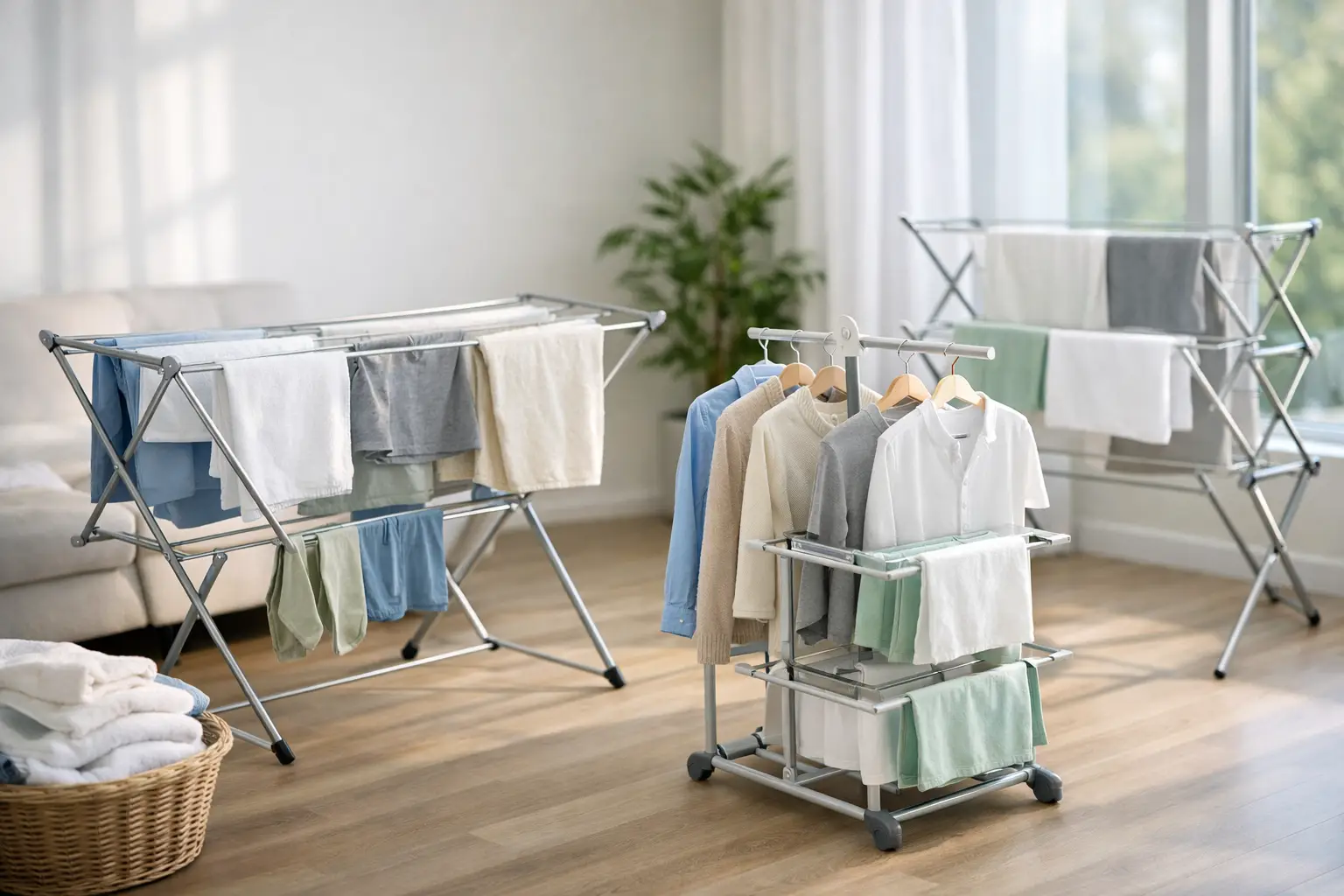
A washing basket is easy to ignore until rain arrives, the heating is on and every chair in the house has become a clothes horse. The best indoor drying racks give wet laundry a proper place to dry without taking over your living room, hallway or spare room. Choose the right style and wash day feels far less like a juggling act.
For most UK homes, the right rack is not simply the biggest one. It needs to suit the amount of washing you do, the floor space you can spare and where it will live when not in use. A compact flat has different needs from a busy family home with school uniforms, towels and bedding on constant rotation.
A useful drying rack should hold a realistic wash load, stand securely and allow air to move around clothes. That last point matters more than it may seem. Packing garments tightly together can leave them damp for longer, creating that stale smell nobody wants to find when folding laundry.
Look at the drying length rather than judging a rack by its overall size alone. Drying length is the total amount of rail space available for hanging clothes. More metres usually means more capacity, but the layout is just as useful. A tall rack with several levels may offer plenty of rails in a small footprint, while a wide winged airer gives longer items more room.
The best option also needs to be easy to use. Smooth-opening hinges, stable feet, a sensible folded size and rails that do not flex under heavier items all make a difference over time. A bargain rack is not much of a saving if it wobbles whenever you hang a bath towel on it.
There is no single winner for every household. Start with the way you actually dry clothes, not with the rack that looks biggest in a product photo.
The traditional winged airer remains a favourite for good reason. It opens quickly, gives you a mix of long central rails and raised wings, then folds flat enough to slide beside a cupboard, washing machine or wardrobe.
This style suits couples, small families and anyone doing regular mixed loads. Shirts can go on the middle rails, underwear and socks fit neatly around the edges, and the wings are handy for longer tops or trousers. Choose one with broad feet and secure locking joints, especially if children or pets may brush past it.
The trade-off is floor space. With both wings open, these racks can dominate a narrow kitchen or lounge. If your home is short on width, a vertical design may make better use of the room.
Tower airers build upwards rather than outwards. Several tiers of rails create generous drying capacity while keeping the footprint relatively small. They are particularly handy in flats, utility corners and box rooms where a wide airer would block the way.
Many models have adjustable or fold-down sections, letting you create room for a longer item when needed. They work well for smaller garments, children’s clothes, T-shirts and lightweight everyday washing. Place heavier items evenly across the levels so the rack remains balanced.
Be realistic about bulky loads, though. Full-size sheets, duvet covers and long dresses can be awkward on a compact tower, and clothes on the lower tiers may dry more slowly if airflow is limited. It is often better to dry bedding in stages than cram it onto every rail.
A heated drying rack can be a practical helping hand during a wet British winter, particularly in homes where outdoor line drying is not an option. Gentle warmth can speed up drying compared with an unheated rack, helping you avoid leaving laundry around for days.
It is not a replacement for good ventilation. Keep a window slightly open where practical or use an extractor fan nearby, and do not pile clothes too thickly over the rails. Heated airers work best when garments are spaced out, rather than layered over each other like a laundry mountain.
Check the product instructions carefully, keep electrical connections dry and never use a damaged cable. Running costs will vary by model, tariff and how long it is switched on, so use the timer function if available and avoid heating an almost-empty rack. A fitted cover can help retain warmth, but only use one designed for that specific type of airer.
When every bit of floor space counts, wall-mounted or over-door drying racks are worth considering. These are useful for a utility room, bathroom or sheltered area near a radiator, and can be folded away once clothes are dry.
Wall-mounted options need secure fitting to a suitable surface, so check the weight limit and fixings before loading them up with wet towels. Over-door styles are better for light items and small loads than a whole family wash. They are a smart extra drying zone, not always a complete solution on their own.
Before buying, measure the space where the rack will stand with it fully open. Leave room to walk around it and avoid placing it directly against a wall. Clothes need air on both sides, particularly thicker cottons, jeans and towels.
Think about storage too. A rack that folds flat is useful only if it fits in the gap you have available. Measure behind doors, beside appliances or inside a cupboard before choosing a large model. For renters and flat dwellers, a lightweight folding airer is often easier to move between rooms as the weather and household routine change.
Your typical laundry load should guide capacity. A single person may prefer a compact airer that is simple to put away. A household with children will usually benefit from a larger winged or tower rack, or two smaller racks that can be used together on busy wash days. Two manageable loads often dry faster than one overloaded rack.
The rack matters, but a few simple habits make a noticeable difference. Give clothes a proper spin cycle before hanging them up, provided the care label allows it. A higher spin removes more water and reduces the time garments need indoors.
Shake each item out before placing it on the rails. This stops fabric bunching up and helps shirts, leggings and towels keep their shape. Leave a small gap between items, turn thick fabrics after several hours and hang trousers from the waistband so air can move through the legs.
Choose a room with reasonable airflow, but avoid drying clothes in a bedroom if possible. Moisture released from wet laundry can build up indoors, contributing to condensation on windows and, over time, mould. A kitchen or utility area with ventilation is often a better choice, as long as laundry is kept clear of hobs, heaters and other hazards.
Avoid draping wet clothes directly over radiators. It blocks heat from moving around the room and can increase condensation. An airer positioned nearby, with space around it, is a more sensible approach.
The most practical racks are designed for the awkward bits of laundry as well as the main load. Sock holders, clips or small hanger sections can prevent tiny items disappearing between larger garments. Use hangers for shirts and blouses where space allows, as they dry with fewer creases and are ready to move straight into the wardrobe.
For delicate items, lay them flat over a clean mesh surface or a section of rack rather than stretching them over narrow rails. Heavy knitwear can lose its shape if hung while soaking wet. Towels and bedding need the most space, so wash them on days when you can give them room rather than mixing them with a full clothing load.
A quick wipe-down now and then keeps rails clean and stops dust transferring to fresh washing. Check joints and feet for wear, especially on a rack used several times a week. Looking after a simple household essential helps it last through plenty of rainy days.
The best indoor drying rack is the one you will happily use, store and set up again next week. Pick a size that fits your home, leave clothes room to breathe and let your laundry routine work around real life rather than cluttering it.
