Address
86 Amesbury Road
Manchester M9 6JF United Kingdom
A practical petcare essentials checklist for UK homes, covering food, walks, grooming, rest, cleaning and everyday comfort for happier pets every day.
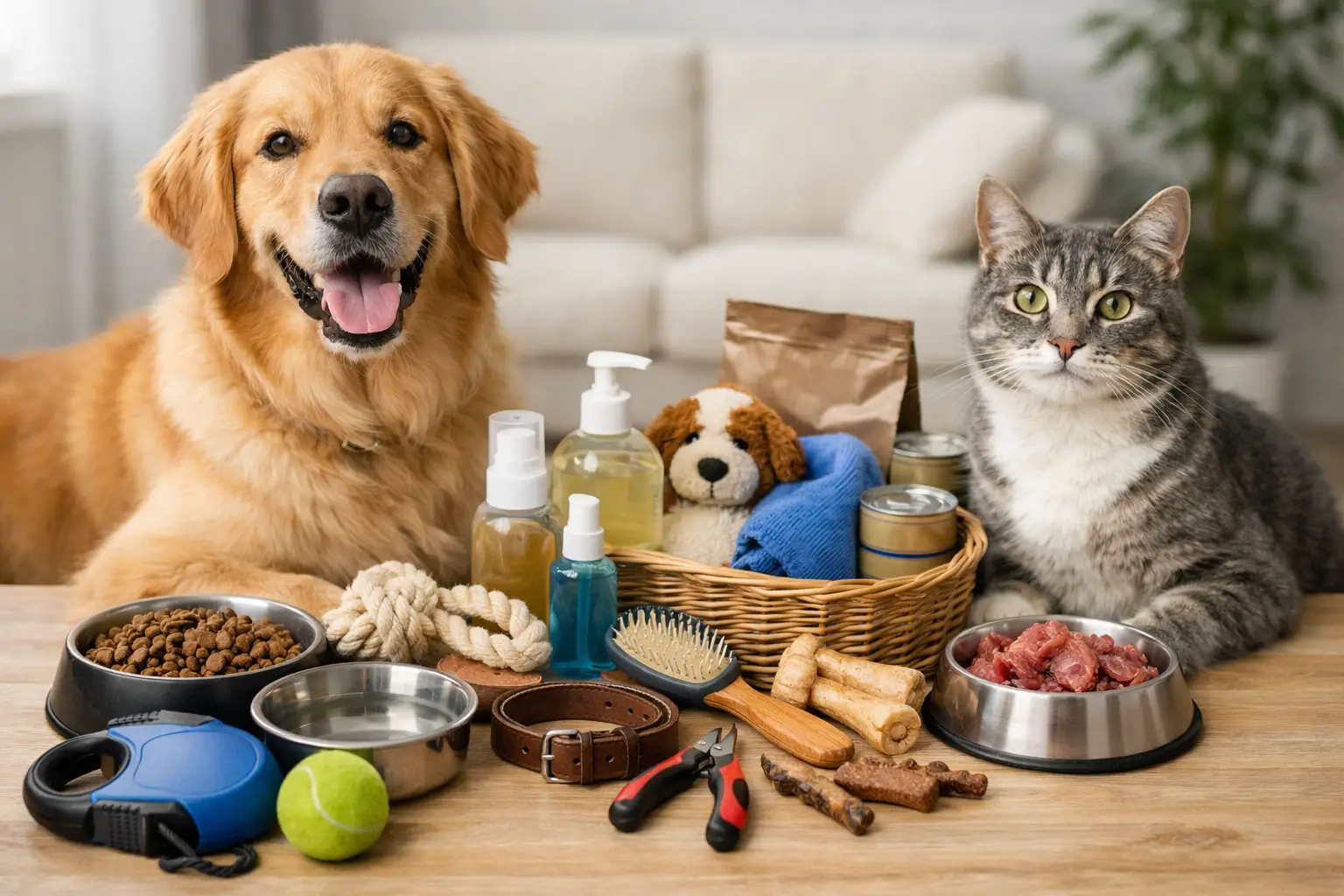
A pet should fit into family life, but the right setup makes the everyday jobs far easier. This petcare essentials checklist covers the useful basics for feeding, rest, walks, grooming and keeping the house fresh, so you can spend less time hunting for supplies and more time enjoying your four-legged mate.
Every pet is different. A lively young dog will need a different routine from a quiet older cat, while indoor rabbits, guinea pigs and small pets have their own space, bedding and cleaning needs. Start with the essentials below, then adjust them around your pet’s age, size, coat, health and habits.
A comfortable pet is more likely to settle well at home. Give them a dedicated place to rest that is dry, warm and out of the main draught. For dogs, that may be a washable bed or cushion in a calm corner. Cats often prefer a choice of sleeping spots, including somewhere raised or tucked away. Small pets need secure, species-appropriate housing with enough room to move, hide and rest.
Choose bedding that is simple to clean rather than just soft-looking. Removable covers and machine-washable blankets are a practical win when muddy paws, shedding coats or little accidents happen. It is also handy to keep a spare blanket ready while the other is in the wash.
Fresh water is non-negotiable. Keep bowls stable, clean and easy for your pet to reach, and refresh the water every day. In multi-pet homes, putting out more than one water bowl can prevent one animal from guarding the favourite spot. If your dog spends time in the garden or travels with you, a portable bowl is a small item that saves a lot of fuss.
Food is more than what is in the bowl. A sensible feeding setup helps you manage portions, reduce mess and keep supplies fresher for longer. Use a scoop or measuring cup if your pet is on a planned diet, particularly if treats are part of the routine. It is easy to overfeed by eye, especially with smaller dogs and cats.
A lidded food storage container helps keep dry food tidy, protects it from moisture and stops curious noses from getting into the bag. Store food somewhere cool and dry, away from household cleaners. Wash food and water bowls regularly, as residue can build up quickly around the rim and underneath.
Keep treats separate from everyday food where possible. They are useful for training, recall and rewarding calm behaviour, but they still count towards a pet’s daily intake. For pets with allergies, sensitive digestion or medical diets, check with a vet before changing foods or adding new treats.
For dog owners, the basics begin with a secure collar or harness, an ID tag and a lead that suits your usual walks. The best option depends on your dog. A harness can be helpful for dogs that pull or have delicate necks, while a standard fixed lead often gives more control around roads and busy pavements. Extendable leads can be useful in open spaces, but they are not ideal near traffic, cyclists or other dogs.
Your walk kit should include waste bags, a treat pouch and a towel for wet or muddy days. A lightweight water bottle and collapsible bowl are worth packing during warmer weather or longer outings. In winter, a reflective accessory or light can make early-morning and evening walks safer for everyone.
For car journeys, never rely on a loose pet sitting on a seat. Use an appropriate travel crate, carrier, seat-belt restraint or boot guard, depending on the animal and vehicle. Cats and smaller pets should travel in a secure carrier. Add a familiar blanket where safe to do so, but make sure ventilation is never blocked.
Training tools should support clear, kind routines. A clicker, favourite treats and a consistent cue can go a long way. There is no need to fill a drawer with gadgets. The most useful training item is usually the one you will keep to hand and use properly.
Grooming is not just about keeping fur off the sofa. Regular brushing can reduce loose hair, help prevent mats and give you a chance to spot changes in your pet’s skin, coat or body shape. Short-haired pets may only need occasional brushing, while long-haired breeds often need more frequent attention. Use a brush suited to the coat type, as the wrong one can pull or irritate sensitive skin.
Keep a towel close to the door for rainy walks, plus a pet-safe shampoo for the occasional bath. Dogs generally do not need frequent bathing unless they are particularly muddy or have advice from a vet. Too much washing can dry out the skin, so a quick wipe-down may be enough between baths.
A straightforward pet first-aid kit is sensible for the home and car. Include clean dressings, a pet-safe wound cover, saline solution, a tick remover, disposable gloves and your vet’s contact details. Do not give human medicines unless a vet has specifically told you to. Even familiar painkillers can be dangerous for pets.
Make time to check nails, ears and teeth as part of your routine. Not every pet will enjoy it at first, so keep sessions short and pair them with calm praise or a treat. If you notice persistent scratching, head shaking, bad breath, limping, appetite changes or a sudden change in behaviour, speak to your vet rather than trying to solve it with an off-the-shelf product.
Pet care and house care overlap quickly. A small collection of practical cleaning supplies can keep smells, hair and muddy marks under control without turning every day into a big clean.
Keep these useful items together in an easy-to-reach cupboard or basket:
Always check that cleaning products are suitable for homes with animals. Strong fragrances and harsh chemicals can be irritating, particularly if your pet walks across a freshly cleaned floor and then licks their paws. Allow surfaces to dry fully and store all products out of reach.
For cats, scoop litter daily and clean the tray on a regular schedule. The right litter and tray style depends on your cat’s preferences, so do not assume a covered tray or scented litter will suit every animal. For small pets, spot-clean soiled bedding every day and complete a more thorough clean as needed for their enclosure and species.
Pets need things to do, not just things to eat. Toys and enrichment can help direct natural behaviours such as chewing, sniffing, scratching, foraging and chasing. Dogs may enjoy a chew, a puzzle feeder or a simple game of hide-and-seek with treats. Cats often get more from a few short play sessions with a wand toy than from a pile of toys left on the floor.
Rotate toys rather than leaving everything out at once. It keeps familiar items interesting and makes it easier to see what your pet genuinely enjoys. Check toys regularly for loose parts, broken squeakers or frayed material, and replace anything that could become a choking risk.
Cats benefit from a suitable scratching surface and access to a safe retreat. Small pets need hides, tunnels and safe items to explore or chew. The aim is not to create a picture-perfect pet corner. It is to give your animal choices that make them feel secure and occupied.
A useful checklist should make life easier, not create another job. Keep daily supplies where you use them: leads by the door, towels near the entrance, food in a dry cupboard and grooming tools in a labelled basket. Refill waste bags before they run out, wash bedding on a regular day and keep a small backup of the items you use most.
EasyPeasyMate.Shop is built around those practical little wins at home. Start with what your pet needs every day, choose hard-working items that are easy to clean and store, and add extras only when they solve a genuine problem. A well-prepared home gives pets more comfort and gives you more time for the best bits – the walks, the play and the quiet company.
