Address
86 Amesbury Road
Manchester M9 6JF United Kingdom
Keeping pets cool in hot weather is simple with shade, fresh water, safe walks and practical ways to help dogs, cats and small pets stay comfortable too.
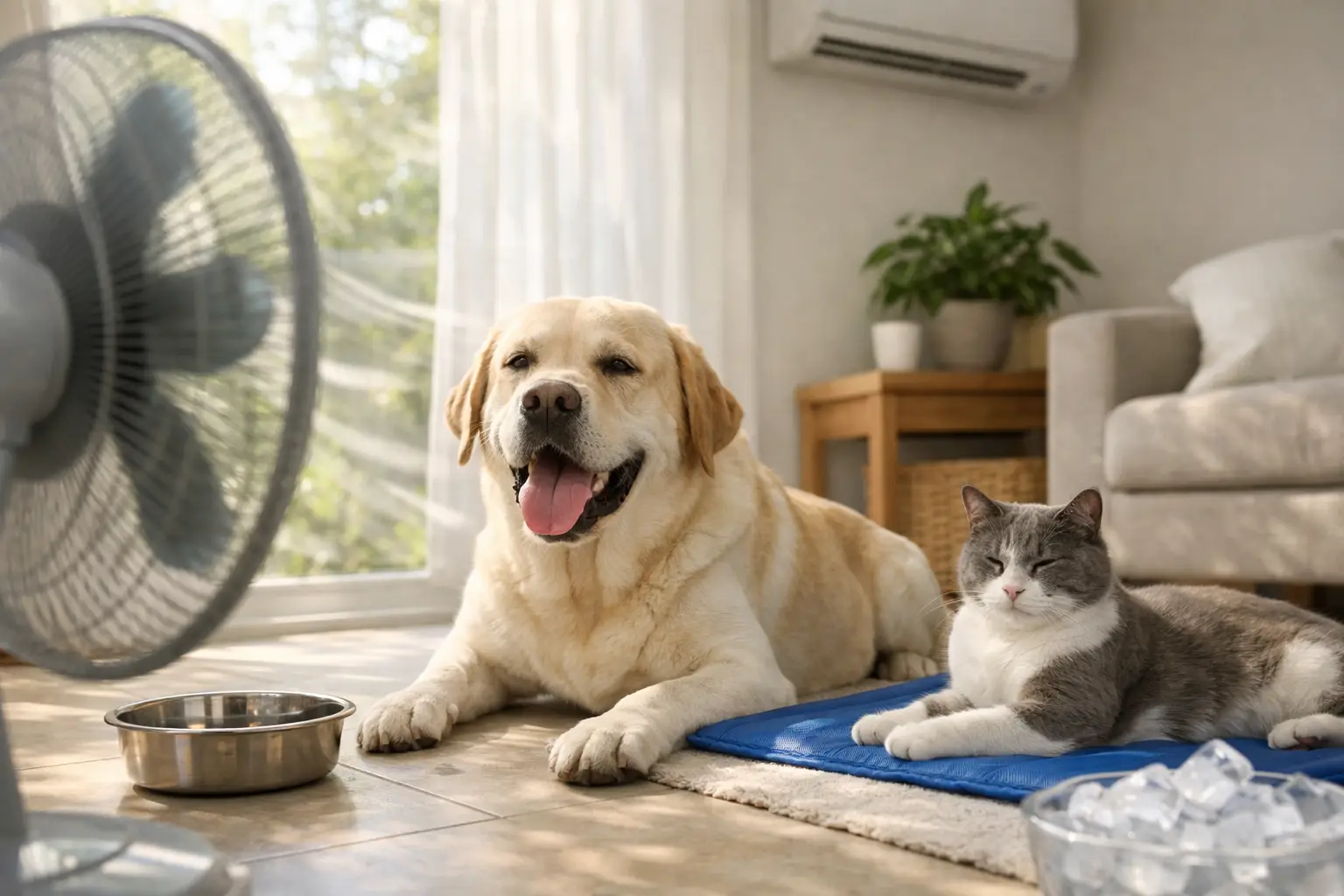
A sunny afternoon can turn a kitchen, conservatory or back garden into an uncomfortable spot surprisingly quickly. Keeping pets cool in hot weather is less about buying lots of extras and more about making a few sensible changes before the temperature climbs. Fresh water, shade, calmer routines and a close eye on your pet can make a big difference.
Dogs, cats and small animals all cope with warmth differently, so there is no single rule that suits every household. A young, healthy cat may seek out a cool tile floor and nap through the hottest hours, while an older dog or flat-faced breed can struggle much sooner. The practical aim is simple: give your pet easy ways to cool down, and never assume they will be fine because they seem quiet.
Choose the coolest safe room in the house for your pet during the middle of the day. Draw curtains or blinds before direct sun reaches the windows, especially in south-facing rooms, and keep indoor doors open where it helps air circulate. A fan can improve comfort, but place it securely and keep cables well out of reach. It moves air rather than lowering the room temperature, so it works best alongside shade and ventilation.
Make sure your pet has somewhere comfortable to lie down away from warm rugs, sunny windows and radiators that may still be on. Cool tiles, a damp towel laid flat, or a purpose-made cooling mat can offer welcome relief. Check cooling mats regularly for wear, and supervise pets that are likely to chew them.
Water needs attention too. Put out more than one bowl if your pet moves between rooms or has garden access, and refresh the water often. A heavy, stable bowl is useful for enthusiastic drinkers. For rabbits, guinea pigs and other small pets, use both a bottle and a bowl where appropriate, as bottles can become blocked or run warm in direct sunshine.
Gardens are brilliant for fresh air, but they can become heat traps. Shade moves through the day, so the shady corner at breakfast may be in full sun by lunchtime. Check your pet’s usual resting place regularly, particularly if they are in a run, hutch, pen or enclosed patio area.
Bring small pets indoors when the weather is very hot if you have a cool, well-ventilated room available. A hutch under a tree is not always enough, because heat can build up inside even when it looks shaded. Never cover a hutch or carrier with thick blankets in an attempt to block sun – this can stop air moving through.
For dogs, a paddling pool can be great fun for some breeds, provided it is shallow, supervised and emptied after use. Others would rather stand in a shaded spot with a damp towel under their paws. Cats often prefer to choose their own cool hideaway, so keep access open to a shaded shed, utility room or quiet indoor space only if it is safe and they cannot get shut in.
Avoid artificial grass, paving, decking and sand during the hottest part of the day. These surfaces hold heat and can burn paws. A simple hand test helps: press the back of your hand on the surface for seven seconds. If it is too hot to hold there comfortably, it is too hot for your dog to walk on.
During a heatwave, the usual lunchtime dog walk may need to wait. Walk early in the morning or later in the evening, choosing shaded paths where possible and keeping the pace relaxed. Carry water and offer small drinks during longer outings, but do not force a hot, panting dog to gulp a large amount all at once.
Shorter walks are often the sensible trade-off. Your dog still needs a toilet break and a little sniffing time, but intense fetch, running alongside a bike and long hill walks can wait for cooler weather. At home, swap some physical exercise for quiet enrichment such as a treat puzzle, scent game or a portion of their usual meal scattered across a cool floor or snuffle mat.
Never leave a pet in a parked car, even for a quick errand. Cracked windows and parking in shade do not make a car safe on a warm day. Temperatures can rise fast, and pets can become dangerously hot before you return. If you are travelling, plan breaks, keep the vehicle ventilated while moving, carry water and only stop where your pet can stay safely with you.
Some pets have less room for error when temperatures rise. Flat-faced dogs such as pugs, French bulldogs and bulldogs can have trouble breathing in warm weather because of their shorter airways. Older pets, puppies and kittens, overweight animals, pets with thick coats, and those with heart or breathing conditions may also overheat more easily.
Long-haired cats and dogs do not necessarily need a drastic summer shave. Their coat can help protect skin from direct sun, and clipping too close can raise the risk of sunburn. Regular gentle grooming to remove loose undercoat is usually more helpful. If you are considering a trim, ask a qualified groomer or your vet what suits your pet’s coat type.
Rabbits and guinea pigs are particularly vulnerable to heat. Their living space needs constant shade, plenty of airflow and frequent checks throughout the day. Frozen water bottles wrapped in a towel can be placed nearby for them to lean against, but leave enough room for them to move away if they wish. Do not put ice directly against them or soak their fur.
Pets cannot tell us when they are getting into difficulty, and signs can appear quickly. A dog may pant more heavily than normal, drool, seem unsettled or suddenly slow down. Cats may become listless, breathe rapidly or seek unusual places to hide. In small pets, weakness, reluctance to move and hot ears can be warning signs.
Watch for these symptoms, particularly after exercise, travel or time in a warm room:
Heatstroke is an emergency. Move your pet to a cool, shaded place straight away, offer small amounts of cool water if they are able to drink, and contact a vet urgently. You can begin cooling with cool – not ice-cold – water over the body, focusing on the underside, paws and legs, while travelling for veterinary help. Do not wrap them tightly in wet towels, as trapped heat can make matters worse, and do not delay getting professional advice while trying home remedies.
A little preparation means less rushing when the forecast changes. Fill bottles the night before a warm day, check that outdoor shade will last, and keep a clean towel or cooling mat ready. If you use a pet carrier for car trips or vet visits, make sure it has good ventilation and is never left in direct sunlight.
Food can also be adjusted without fuss. Offer meals at cooler times if your pet normally eats poorly in the heat, and remove wet food promptly so it does not spoil. Frozen treats can be enjoyable for dogs, but keep portions modest and use pet-safe ingredients. Plain frozen water with a few pieces of their normal food can be enough for a gentle cooling activity. Avoid giving pets ice cubes to chew if they tend to gulp or crack hard items.
The best plan is the one your pet will actually use. One dog may happily lie on a cooling mat; another may prefer a tiled hallway and a quiet house. Notice where they choose to rest, keep water close by, and make the hottest part of the day a time for slowing down. A few calm, practical habits can help every member of the household enjoy the sunshine more comfortably.
