Address
86 Amesbury Road
Manchester M9 6JF United Kingdom
Garden shade trends bring flexible, weather-ready comfort to British gardens. Get practical ideas for patios, play spaces and sunny borders this summer.
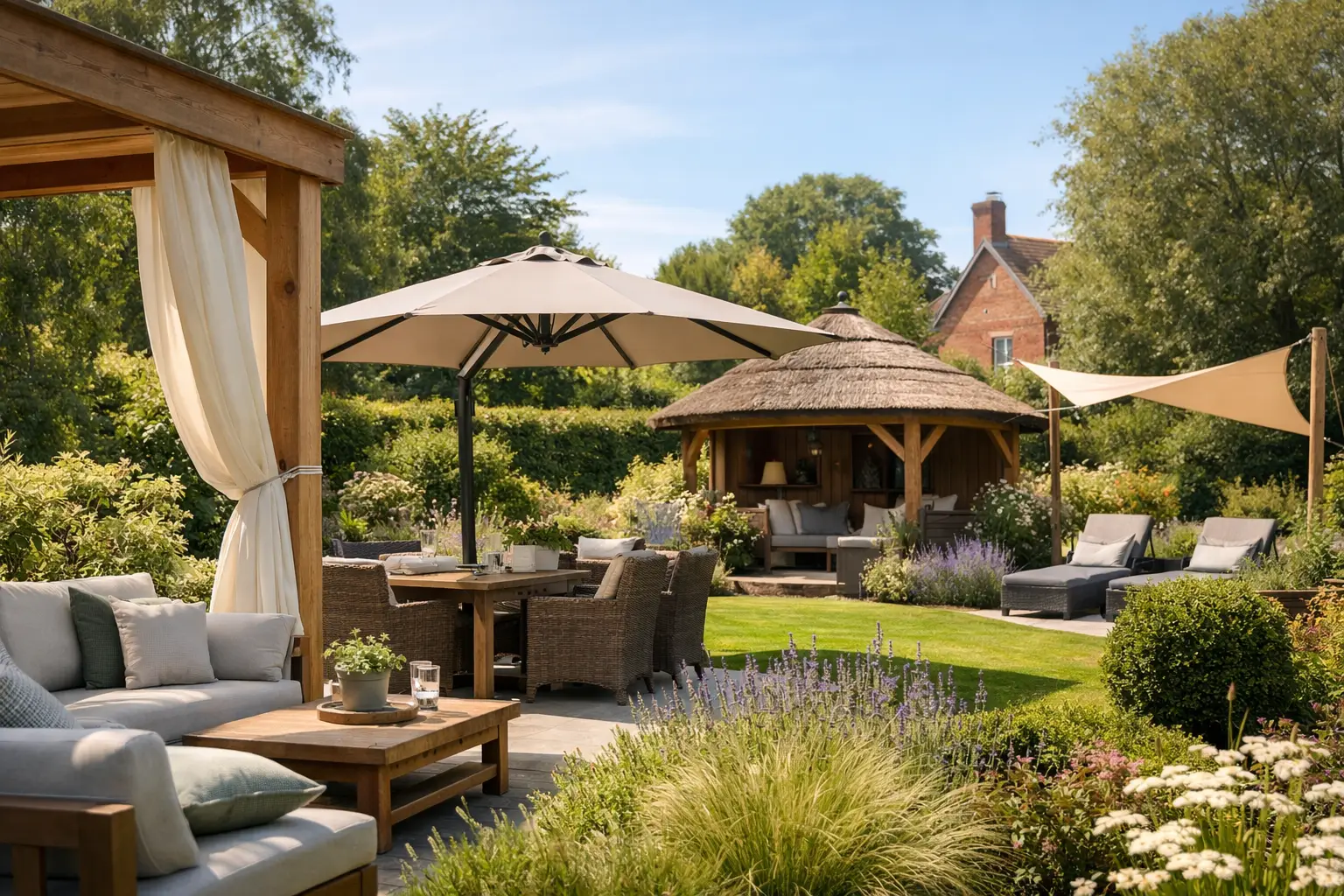
A south-facing patio can feel like a brilliant extra room in April, then become too hot for lunch by June. That is why garden shade trends are shifting away from one fixed parasol in the middle of the table and towards flexible, useful cover that works around real family life. The best choice is not always the biggest or most stylish option. It is the one that gives you shade where you actually sit, eat, play and relax.
For British gardens, versatility matters. We need something that handles bright spells, light showers and the occasional gust without turning the garden into a permanent building site. Here are the ideas shaping outdoor spaces, plus the practical checks that make buying and setting up shade much easier.
The biggest move is towards adjustable shade. Instead of committing to a heavy structure over the whole patio, homeowners are choosing options that can be angled, folded away or moved as the sun travels across the garden.
Cantilever parasols remain popular because the pole sits to one side rather than through the centre of a table. That leaves more usable space beneath and makes them a handy option for outdoor sofas, loungers or a children’s activity table. Look for a crank handle and tilt function, but do not overlook the base. A large parasol needs a properly weighted base on a firm, level surface. A flimsy base is not a bargain when the wind picks up.
Sail shades are another strong choice for people who want a clean, modern look without installing a full pergola. A triangular or square sail can cover a corner of the patio, a sandpit or a seating spot, and it takes up very little visual space. The trade-off is planning: sails need secure fixing points and a slight slope so rainwater can run off rather than collect in the middle. Remove them before high winds or extended bad weather unless they are specifically designed for year-round use.
For renters or anyone wanting a quick seasonal fix, a freestanding gazebo is often the easier route. It creates instant shelter for a family barbecue, birthday gathering or a quiet cuppa outdoors. Choose a design with side panels if the garden is exposed, but secure every leg with suitable weights or ground fixings. Portable does not mean windproof.
Pergolas are no longer only decorative frames for climbing roses. The current preference is for simple, functional structures that make a patio feel more like an outdoor room. Think adjustable roof panels, retractable canopies or a slatted top softened with planting.
A pergola works especially well when you use the garden regularly for meals. It gives a defined place for a dining set, helps outdoor lighting feel purposeful and can provide a support for curtains or side screens when evening sun is low. If you are working with a compact garden, keep the structure proportional. A bulky pergola can make a small terrace feel boxed in and cast unwanted shade over flower beds.
Climbing plants bring warmth to a pergola, but they take time and maintenance. Clematis, climbing roses and honeysuckle offer colour and scent, while grape vines can create dense summer cover. Check the plant’s mature size before planting and remember that a vigorous climber needs pruning to stop it swallowing the frame. If you want shade this season rather than several summers from now, pair planting with a removable canopy.
The sharp, resort-style garden is giving way to more relaxed spaces that feel at home in a typical UK plot. Neutral fabric shades, timber frames and textured materials can look smart without feeling overly formal. Cream, stone, sage and soft grey work well with brick walls, paving and natural planting, while striped fabrics add a cheerful traditional touch around a patio or deck.
Natural-looking screening is part of this trend too. Reed, willow and bamboo-style panels can filter late-afternoon glare and make overlooked seating areas feel more private. They are useful where a full roof would block too much light, particularly beside a fence or balcony. Check that any screen is firmly fixed, as wind can put more pressure on it than expected.
Planting is doing more of the shading work as well. A small ornamental tree can cool a seating area while adding seasonal interest, and taller grasses soften the edge of a sunny corner. This approach will not replace a parasol for immediate midday shade, but it makes the garden more comfortable over time and supports a more layered look.
A single covered patio is not always enough. One of the most useful garden shade trends is creating small shaded zones for different jobs rather than trying to cover the entire garden.
A play area needs reliable protection at the hottest point of the day. A sail shade over a sandpit, water table or small playhouse helps children stay outside for longer, but check for gaps where the sun can still hit during the afternoon. For very young children, use shade alongside hats, drinks and sunscreen rather than treating it as complete sun protection.
At the other end of the garden, a simple pop-up shelter can make a reading chair, potting bench or wildlife-viewing spot more inviting. If you work from home, a shaded corner may even become a pleasant place to take a call or answer a few emails. Keep electronics well away from damp conditions, of course, and do not rely on a fabric canopy during rain.
Dining areas benefit from shade that can move. The sun rarely stays directly above the table, especially in the early evening, so an offset parasol or side screen often works better than a fixed overhead panel. Before buying, sit outside at the time you normally eat and notice where the light falls. That five-minute check can prevent an awkward setup that shades an empty patch of paving.
Shade products have to earn their place in a British garden. UV protection is useful, but water resistance, rust-resistant frames and sturdy fixings are just as valuable. Polyester canopies are common and affordable, while heavier fabrics may offer a more substantial feel and better longevity. Whatever you choose, letting damp fabric dry before storage helps prevent mildew and stale smells.
Aluminium frames are light and unlikely to rust, making them practical for parasols and gazebos that need moving. Steel can feel more solid but should have a protective coating, especially near the coast where salty air speeds up corrosion. Timber is attractive and suits natural gardens, though it needs periodic treatment to keep it looking its best.
Colour affects comfort too. Dark canopies may create deeper shade, but they can fade and feel visually heavy in a small garden. Pale shades brighten the space but can show marks more readily. Mid-tones such as taupe, green or grey are often the easy-care middle ground.
The most stylish shade solution is only useful if you can put it up, take it down and look after it without a fuss. Measure the area first, including the space needed to open a parasol or tension a sail. Check nearby doors, fences, tree branches and washing lines. Also think about where you will store covers, weights and folded frames over winter.
For a simple, dependable setup, focus on these basics:
A cover or storage bag is a small extra that can extend the life of a seasonal shade product. It keeps dust, bird mess and winter damp at bay, while making spring setup quicker when the first sunny weekend arrives.
Shade should make the garden easier to enjoy, not take away every patch of sunshine. Leave room for sun-loving herbs, tomatoes and pollinator-friendly flowers, and avoid blocking daylight from your home where possible. A mix of bright and sheltered spots gives everyone a place to sit comfortably.
Start with the area that causes the most hassle, whether that is a glaring patio table, a hot children’s play corner or an overlooked seating space. One well-chosen, secure shade solution can make outdoor time feel far more relaxed – easy peasy, really.
