Address
86 Amesbury Road
Manchester M9 6JF United Kingdom
Learn how to organise a boot for safer, tidier everyday driving, with simple zones, useful storage and seasonal checks that save time and hassle daily.
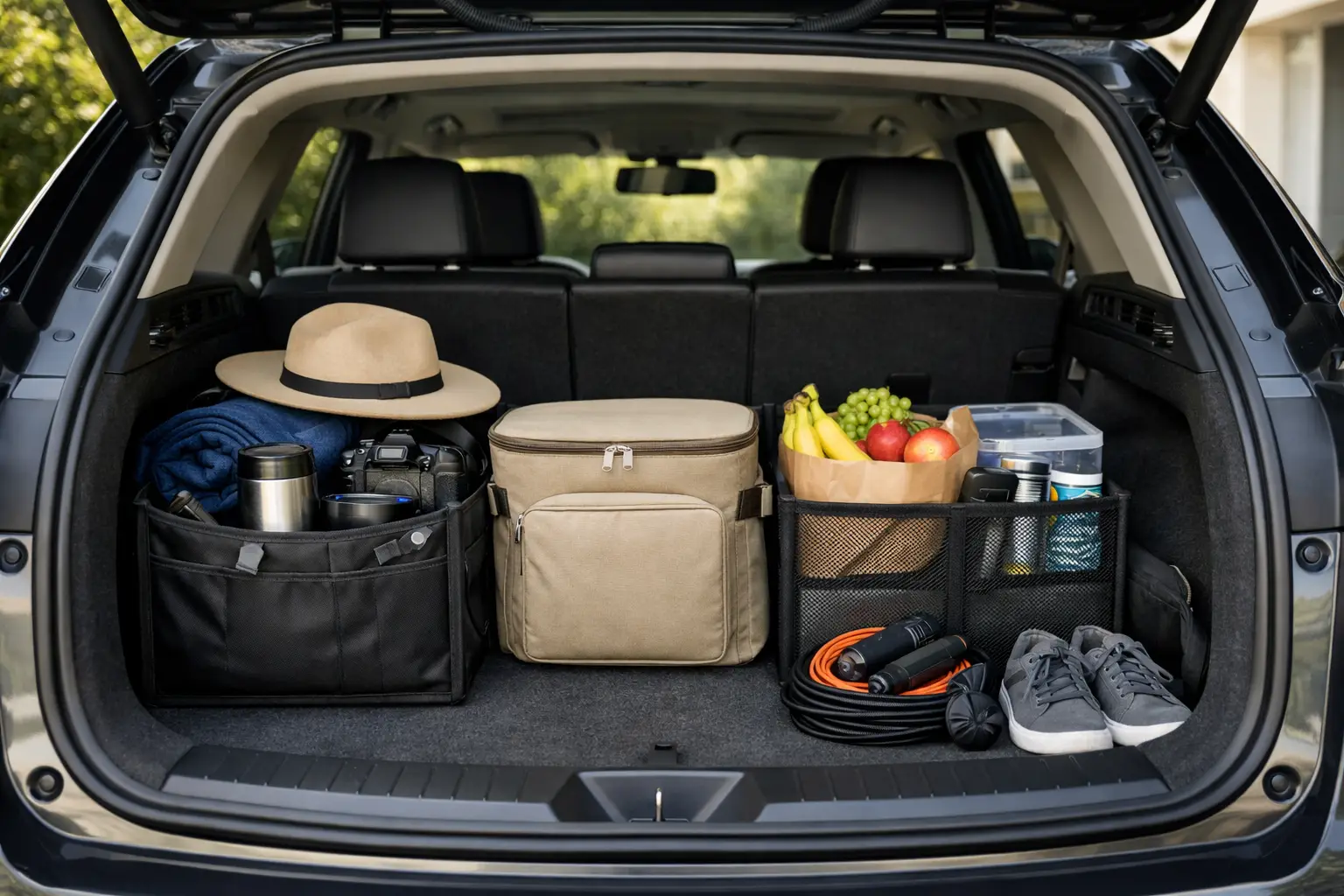
A boot has a habit of becoming the household’s cupboard on wheels. One week it is full of supermarket bags, the next it contains muddy football boots, a half-used screenwash bottle, a broken umbrella and a picnic blanket you forgot was there. Learning how to organise a boot properly makes everyday journeys less stressful, keeps useful items within reach and helps prevent loose objects becoming a hazard when you brake sharply.
The aim is not to create a showroom-perfect space that cannot be used. It is to give every regular item a sensible home, leave room for shopping or luggage, and make it easy to put things back after a busy day. A few practical storage choices can make a surprisingly big difference.
Take everything out first. Yes, even the items tucked behind the rear seats and the loose bits under the boot floor. It is much easier to decide what belongs there when you can see the whole space rather than trying to rearrange clutter around itself.
Sweep or vacuum the carpet, wipe the plastic trim and check beneath the boot mat for moisture. Damp can lead to unpleasant smells, mould and, over time, corrosion around the spare-wheel well. If a bottle has leaked or muddy footwear has left its mark, clean it now before covering it up with organisers.
As you sort, make three simple groups: things that stay in the car, things that need to go back indoors, and things to bin, recycle or deal with. Receipts, empty bottles and old carrier bags quickly eat up room without being useful.
The easiest way to keep a boot tidy is to think in zones. Your car, family routine and available space will determine what works best, but most drivers benefit from separating emergency gear, cleaning items and day-to-day carry-alongs.
The items you may need at the roadside should be easy to find but not loose. Store a warning triangle, high-visibility vest, torch, first-aid kit, tyre inflator or sealant, jump leads and a pair of gloves in one compact bag or lidded box. Check your vehicle handbook before buying or packing anything, as some cars have dedicated storage spaces and some use a tyre repair kit instead of a spare wheel.
Put this kit at the side or close to the rear seats, where it will not slide around and can still be reached when the boot is full. A torch with fresh batteries, or a rechargeable model that is checked regularly, is far more useful than one that has been buried under old shopping bags for two years.
If you carry a spare wheel, make sure the jack, locking wheel-nut key and wheel brace are present and accessible. These are easy details to overlook until the moment you need them.
A small handled caddy is ideal for the everyday car bits that tend to roll about: screenwash, microfibre cloths, de-icer, a scraper, tyre-pressure gauge, bin bags and a pack of wipes. Keeping liquids upright in a waterproof tub helps contain drips and makes the whole kit easy to lift out when you need more boot space.
Avoid carrying bulky bottles just because they might come in handy. A small top-up of screenwash is sensible for many drivers, particularly in winter, but large containers can be heavy and take up valuable room. Check the cap is secure and keep chemicals away from food, children’s items and pet supplies.
Reusable shopping bags, a folding crate and a boot liner cover a lot of real-life needs. The bags are ready for an unplanned shop, while a crate stops groceries, takeaway containers or cleaning supplies tipping over on the way home. Choose a collapsible crate if your boot is small or you often need the full load space.
For families, one wipe-clean box can hold spare coats, a picnic rug, snacks, nappies or outdoor toys. For dog owners, a separate washable bag for towels, water bowl, poo bags and a lead keeps muddy pet gear away from everything else. The key is to avoid turning these containers into mystery boxes. If an item has not been used for several months, ask whether it really needs a permanent place in the car.
A tidy boot will not stay tidy if every corner sends things rolling. Non-slip boot mats are a straightforward first line of defence, particularly for plastic boxes and shopping. A fitted boot liner also protects carpet from mud, plant pots, wet coats and accidental spills, making cleaning much quicker.
Cargo nets, elastic straps and boot hooks can be useful where your vehicle has anchor points. They are especially handy for holding lighter bags upright. Do not rely on a net to restrain heavy objects, though. A toolbox, large bottle, pushchair or heavy crate should sit low, close to the rear seats and be secured properly where possible.
Weight matters as much as neatness. Keep heavier items forward and low down so they are less likely to move in a sudden stop and have less effect on the car’s balance. Try not to pile belongings above the rear seat backs, where they may obstruct your view or tumble into the cabin.
A good boot layout should match your week, not somebody else’s. If you use the car for school runs, shopping and weekend activities, leave an open central area for changing loads. If you regularly transport tools, gardening supplies or caravan equipment, sturdier lidded boxes may be the better choice.
There is a trade-off between having every possible item on hand and carrying unnecessary weight. A boot packed with useful-looking gear can increase fuel use slightly, reduce room for the things you genuinely need and make a car harder to clean. Keep the basics, then adjust the rest around your regular journeys.
For example, a parent might keep a compact emergency kit, shopping bags and a weatherproof family box. Someone who drives mainly to work may only need safety essentials, a folding bag and a cleaning caddy. A keen gardener could use a tough liner and stackable tubs for muddy boots, gloves and plant purchases, removing them after each trip rather than leaving soil and moisture in the car all week.
The most organised boot is reviewed rather than forgotten. At the start of autumn, add a scraper, de-icer, warm layer and a small absorbent towel. During warmer months, swap these for suncream, a picnic rug or a reusable water bottle if they suit your routine. In winter, check tyre tread, lights and screenwash as well as the supplies you carry.
Before a holiday or long journey, clear out anything that will not be needed. This gives you room for luggage and lets you check that emergency equipment has not been buried. Pack bags evenly, keep valuables out of sight and do not block access to essentials you may need during the trip.
A monthly five-minute reset is usually enough. Return stray items to the house, throw away rubbish, top up useful supplies and wipe down the liner. It is a small job that prevents another overwhelming clear-out later.
You do not need to fill the boot with organisers. One or two useful pieces are usually better than several bulky containers. Look for storage that is stable, easy to clean and sized for your vehicle. Soft-sided organisers are flexible and easy to move, while rigid boxes offer better protection for bottles and tools.
If you share a car, labels can help everyone know where things belong, but simple categories often work just as well: safety, cleaning and day-to-day. EasyPeasyMate’s approach is simple – choose practical items that solve a genuine problem, rather than buying storage for storage’s sake.
The best time to organise your boot is before it becomes a nuisance. Clear it, create a few sensible zones and make putting things away the easy option. Then the next time you need a torch, shopping bag or clean pair of wellies, it will be exactly where it should be.
