Address
86 Amesbury Road
Manchester M9 6JF United Kingdom
Learn how to remove mould safely with practical UK household steps, the right protective gear and clear advice on when to call a professional for help.
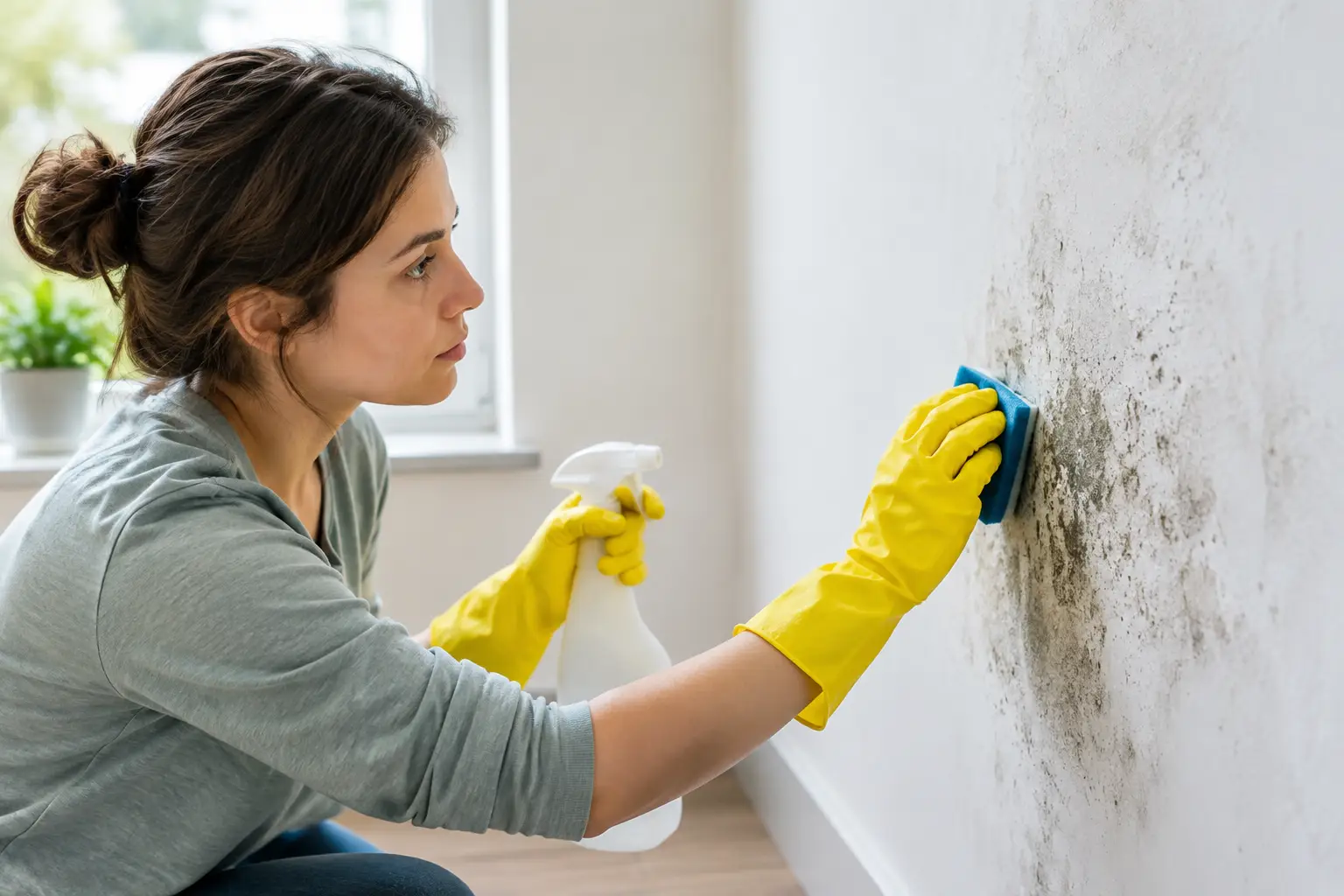
A few black specks around a bathroom window can quickly turn into a bigger household job if they are ignored. Knowing how to remove mould safely protects your surfaces, helps keep spores from spreading around the room and, most importantly, deals with the moisture that allowed it to grow in the first place.
Mould is common in UK homes, particularly through colder months when windows stay shut, laundry dries indoors and condensation settles on cold walls. The good news is that a small patch caused by everyday condensation can usually be handled at home with sensible precautions. A large area, recurring growth or mould following a leak needs a different approach.
Before reaching for a spray, look at the size and cause of the problem. A small surface patch on a tiled bathroom wall, window seal or painted area is normally manageable. As a rough guide, if the affected area is no bigger than about one square metre and there is no sign of water damage, you can usually clean it carefully yourself.
Pause and get professional help if mould covers a larger area, keeps returning despite cleaning, or has appeared after flooding, a burst pipe, roof leak or sewage backup. Soft, crumbling plasterboard, stained ceilings and a musty smell coming from inside a wall can point to hidden damp. Cleaning the visible patch will not solve that.
Take extra care if someone in the household has severe asthma, a weakened immune system, serious allergies or a respiratory condition. They should not do the cleaning or stay in the room while it is being done. If you rent, take clear photographs and report ongoing damp or a suspected structural issue to your landlord or letting agent before it worsens.
Keep the job simple, but do not skip the basics. Wear rubber gloves and eye protection, and use a well-fitting face covering such as an FFP2 mask if you have one. Old clothes with long sleeves are sensible too, particularly when working overhead or using a cleaning product that may splash.
You will also need a mould remover suitable for the surface, a bucket of warm water, disposable cloths or kitchen roll, and a clean dry cloth. Choose a product designed for household mould and follow the label exactly. Different cleaners suit different materials, so check that yours is appropriate for tiles, grout, silicone sealant, painted walls or fabric before using it.
Open a window if possible, but avoid using a fan that blows directly across the mould. The aim is to ventilate the room, not send loose spores into the rest of the house. Keep children and pets away until the area is clean and fully dry.
Start by protecting the surrounding area. Move towels, toiletries, bedding or loose items away from the patch. If mould is near fabric, wash affected washable items according to their care label, then dry them thoroughly. Do not shake mouldy textiles indoors, as this can spread spores.
Apply your chosen cleaner gently. A spray can be handy, but spraying heavily from close range may create a fine mist, so apply only as directed and keep your face back. For delicate surfaces, applying the product to a cloth first can give you more control. Leave it for the stated contact time – rushing this step often means scrubbing harder than necessary.
Wipe the mould away with disposable cloths or kitchen roll. Work steadily rather than aggressively. Hard scrubbing can damage paint, grout or silicone, leaving a rougher surface that holds moisture and dirt. Put used cloths straight into a bag, seal it and place it in the household bin.
Wipe the cleaned surface with a fresh damp cloth if the product instructions say to rinse, then dry it completely. This final drying stage matters. Mould does not need a dramatic leak to thrive – a damp window frame or steamy bathroom corner is enough.
Wash reusable gloves after use, then wash your hands thoroughly. Launder the clothes you wore if they were exposed to cleaning splashes or touched the affected area.
Never mix mould remover, bleach, vinegar, limescale remover, ammonia or any other household cleaner. Mixing products can create harmful fumes, even if both products are familiar cupboard staples. Use one product at a time, ventilate the room and stick to its instructions.
Bleach-based cleaners can lift staining on some non-porous surfaces, but they are not a universal answer. They can discolour fabrics, damage some finishes and may not reach mould rooted in porous materials such as untreated wood, plaster or wallpaper. If the mould has penetrated a soft or absorbent surface, the material may need replacing once the damp cause has been fixed.
Bathrooms often need the most regular attention. After cleaning tiles and grout, dry the shower area with a squeegee or microfibre cloth after use. If silicone sealant is deeply stained or mould keeps appearing beneath its surface, replacement is often more effective than repeated cleaning.
For window frames and seals, clean away condensation each morning during colder weather. Check that trickle vents are open where fitted and do not block radiators with heavy curtains. If water pools on the sill every day, improving airflow and reducing indoor moisture will make more difference than any cleaner alone.
Mould on painted walls needs a gentler touch. Test any product in a hidden spot first, as strong cleaners may fade the paint. If staining remains after cleaning and drying, use a suitable stain-blocking primer before repainting – but only after the source of damp has been dealt with.
With wardrobes, cupboards and storage areas, empty the space so air can circulate. Wipe hard surfaces, wash suitable clothes or linens, and leave doors open until everything is dry. Avoid packing items back tightly against a cold outside wall.
Removing the patch is the immediate task. Managing moisture is what keeps it from becoming a repeat job. Most condensation mould is linked to warm, moist air meeting cold surfaces, so small daily habits can make a real difference.
Use extractor fans while showering and cooking, then leave them running for a short while afterwards if your fan allows it. Keep internal doors closed during these jobs so steam does not travel through the home. Cover pans, dry washing outdoors when practical and avoid drying clothes on radiators. If indoor drying is unavoidable, use a well-ventilated room with the door shut, an open trickle vent or window where safe, and a dehumidifier if needed.
Try to maintain a steady background temperature rather than allowing rooms to become very cold. You do not need to overheat the house, but consistently chilly corners are more likely to attract condensation. Move large furniture a little away from external walls so air can circulate behind it, especially in bedrooms.
A simple humidity monitor can help you spot patterns. If readings regularly sit above 60%, the home may need more ventilation, less moisture from drying laundry or help with an underlying damp issue. Check gutters, external brickwork, seals around windows and plumbing leaks if mould appears in one place regardless of how well you ventilate.
Repeated mould is a message, not just a cleaning problem. Call a qualified professional or speak to your landlord if you see spreading stains, peeling paint, warped flooring, damp patches after rain, leaking pipes, or mould returning within days or weeks of cleaning. These signs suggest that water is getting into the building or staying trapped where it should not.
For everyday condensation spots, a few practical cleaning and ventilation habits can make the job easy peasy. Tackle small patches promptly, dry the area properly and give the room a better chance to breathe – your home will feel fresher for it.
