Address
86 Amesbury Road
Manchester M9 6JF United Kingdom
Learn how to store garden cushions the easy way. Keep them dry, clean and ready for summer with simple, practical storage tips that work.
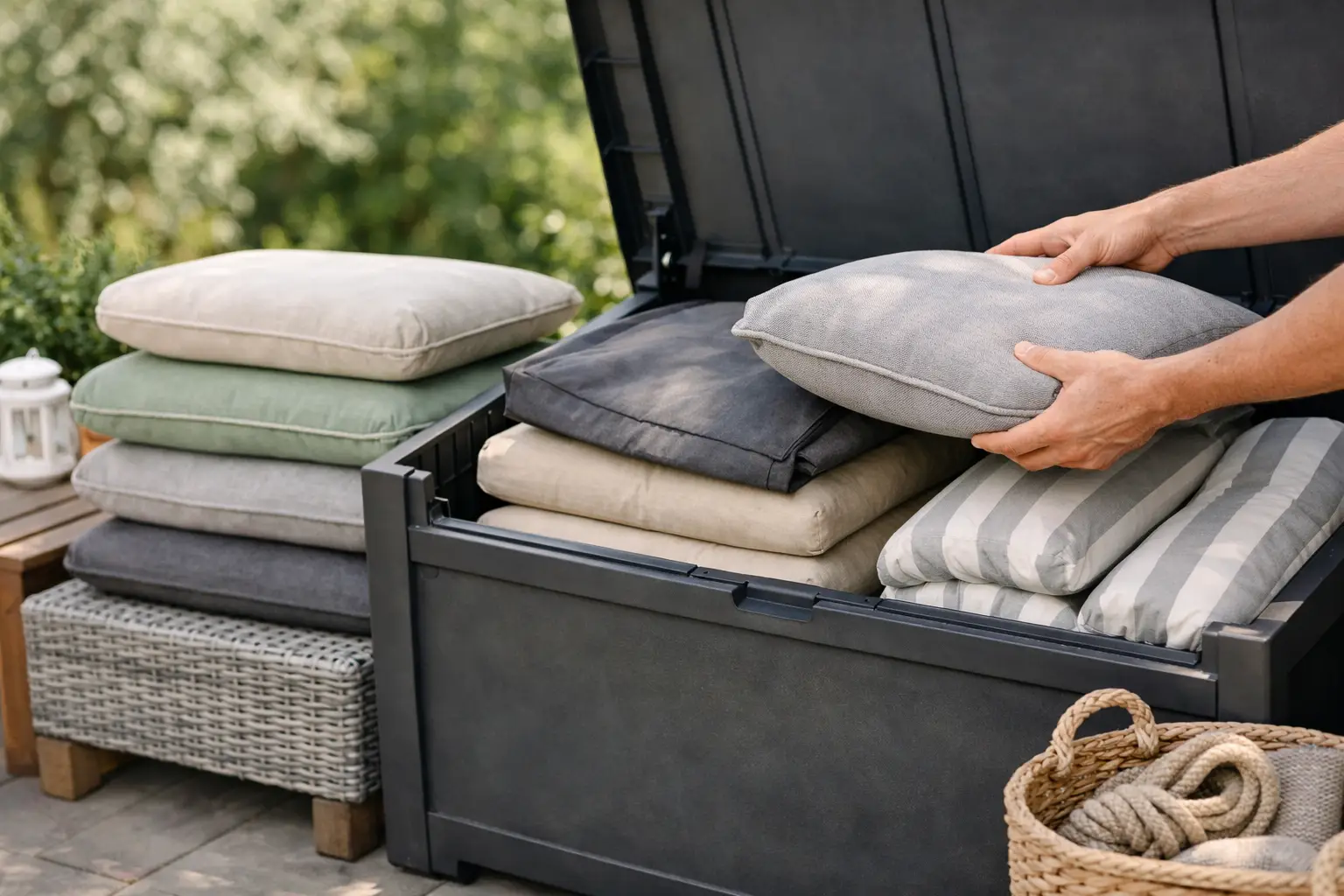
That first damp morning usually tells you everything you need to know – it is time to stop leaving the garden cushions out and start storing them properly. If you have been wondering how to store garden cushions without ending up with mildew, fading or that musty smell nobody wants on a sunny afternoon, the good news is that it is a simple job once you get the basics right.
The main thing is this: garden cushions do not just need to be put away. They need to be clean, fully dry and stored somewhere that protects them from moisture, dirt and temperature swings. Get those three things sorted, and you will give them a much better chance of lasting beyond one or two seasons.
Garden cushions put up with a lot in the UK. Even in a decent summer, they get a mix of sunshine, drizzle, pollen, dust, bird mess and the odd unexpected downpour. By the end of the season, that wear starts to show.
Poor storage shortens their life faster than most people realise. If cushions are packed away even slightly damp, mould and mildew can develop quietly over autumn and winter. If they are left exposed in a shed with leaks or condensation, the filling can turn stale and the fabric can stain. And if they spend months in direct light near a window or in a greenhouse, colours can fade before next spring even starts.
Good storage is not about being fussy. It is about saving yourself the cost and hassle of replacing a full set sooner than needed.
The easiest way to store cushions well is to treat it as a quick end-of-season routine rather than an afterthought.
Before anything gets packed away, brush off loose dirt, leaves and crumbs. If the covers are removable and machine washable, check the care label and wash them as directed. If not, use warm water with a mild soap and gently sponge down the surface.
Focus on spots that tend to hold grime, such as piping, seams and buttoned areas. If there are marks from food, sun cream or muddy paws, it is worth dealing with them now rather than hoping they disappear over winter. They usually do the opposite.
Avoid soaking the filling unless the cushion is designed for it. Too much water in the inner pad can take far longer to dry than expected.
This is the part people rush, and it is usually where storage problems begin. Garden cushions must be completely dry before they go into any box, bag, bench or cupboard.
Leave them in a well-ventilated spot until there is no trace of dampness at all. If the weather is unhelpful, bring them indoors to an airing cupboard, utility room or spare room with decent airflow. Turning them a few times helps any trapped moisture escape.
If a cushion feels cool to the touch in the middle, give it longer. It is better to wait a day extra than open a storage box months later to a mouldy surprise.
When deciding how to store garden cushions, the best place is somewhere dry, clean and fairly stable in temperature. A garage, shed, utility room, loft or indoor cupboard can all work, depending on conditions.
The key question is not whether the space is indoors or outdoors. It is whether it stays dry. A smart storage bench in the garden may be handy, but if water gets in or condensation builds up, it can be worse than bringing the cushions into the house.
For many homes, the most reliable option is a weather-resistant storage box outside for short-term use during summer, then a drier indoor spot for autumn and winter.
There is no single perfect method because it depends on your space, the size of your cushion set and how often you use the furniture.
A garden storage box is a practical choice if you want quick access during the season. It keeps cushions tidy and stops you carrying them in and out every evening. This works especially well for seat pads and smaller back cushions.
That said, not every box is fully waterproof. Some are water-resistant rather than watertight, and that matters in British weather. If you use an outdoor box, look for a close-fitting lid and consider placing cushions in breathable storage bags inside for extra protection.
Storage benches do two jobs at once, which is handy in smaller gardens. They are useful when you want seating and hidden storage in one footprint.
The trade-off is space. Deep bench cushions for loungers or corner sets may not fit neatly, and overpacking can squash the filling over time.
If you have room indoors, this is often the safest option. A cupboard under the stairs, a utility room shelf or even the top of a wardrobe can work well for smaller sets.
Indoor storage keeps cushions away from frost, damp air and pests. It is not always the tidiest solution if space is tight, but it usually gives the best protection.
These are common storage spots, and they can work perfectly well if they are dry and ventilated. If your shed gets condensation on the roof or your garage feels damp in winter, cushions need extra protection.
In that case, store them off the floor and avoid pushing them directly against cold walls. Moisture tends to collect in both places.
A lot of cushion damage comes from small mistakes rather than one big disaster.
Packing them away damp is the biggest one. It only takes a little trapped moisture to create mildew. Sealing cushions in plastic without airflow can also backfire, especially in places that get condensation. Plastic tubs and vacuum bags might seem neat, but they can trap moisture if the cushions were not perfectly dry to begin with.
Another mistake is leaving cushions under furniture covers all winter and assuming that counts as storage. In reality, outdoor furniture covers often trap humidity. Your table and chairs may cope with that better than soft furnishings do.
Then there is overstuffing. If cushions are crammed into a box that is too small, seams and zips can strain, and foam filling can lose shape. A slightly bigger storage option is usually worth it.
Winter storage needs a little more care because cushions may be untouched for months. This is where dry storage matters most.
If possible, store cushions indoors or in the driest part of your home. If they must stay in a shed or garage, place them in breathable storage bags and raise them off the ground on a shelf, pallet or sturdy plastic container. That extra gap helps protect them from cold floors and any minor leaks.
It is also worth checking them once or twice over winter. You do not need to make a big job of it. A quick look for damp, mould or pests can save the whole set.
For households that use outdoor seating through cooler months, rotate what stays out. Keep only the cushions you are actively using and store the rest properly. That way, not everything takes the same weather hit.
Not every cushion needs to be stored away for the whole season. During spring and summer, the goal is more about daily protection.
If you use your garden furniture often, pop cushions into a storage box or bench when not in use rather than leaving them outside overnight. Even when rain holds off, morning dew can soak fabric more than people expect.
On hotter days, bringing them in occasionally also helps reduce fading. Dark colours and patterned fabrics tend to show sun wear differently, but no cushion is immune if it sits in direct sunlight for weeks on end.
A simple habit makes a big difference here. If putting the cushions away takes less than two minutes, you are much more likely to keep doing it.
If cushions have come out of storage with a musty smell, do not put them straight back on the furniture and hope for the best. Air them out fully first.
Clean the covers, wash them if the label allows, and dry everything thoroughly in a bright, well-ventilated space. For light mildew marks, a fabric-safe cleaner may help, but test a small area first. If the inner filling is heavily affected or still smells after drying, replacement may be the more practical option.
Sometimes the issue is not the cushion at all but the storage space. If the box, shed or garage is damp, new or cleaned cushions will end up with the same problem again.
The best storage setup is the one that fits your routine. If hauling large cushions to the loft feels like a chore, you probably will not do it regularly. If a roomy storage box near the patio makes daily put-away easy, that may be the better choice, even if winter storage moves elsewhere later.
That is where practical products really earn their keep. At EasyPeasyMate.Shop, the whole idea is making everyday jobs less of a faff, and garden storage is a perfect example. The easier your setup is to use, the more likely your cushions stay cleaner, drier and in better shape.
A little effort now saves money, mess and frustration later. Store them dry, give them space, and choose a spot that actually stays that way. Next time the sun comes out, you will be glad they are ready to use rather than ready for the bin.
