Address
86 Amesbury Road
Manchester M9 6JF United Kingdom
Find replacement parts for household items that help you fix, refresh and keep everyday essentials working longer without overspending.
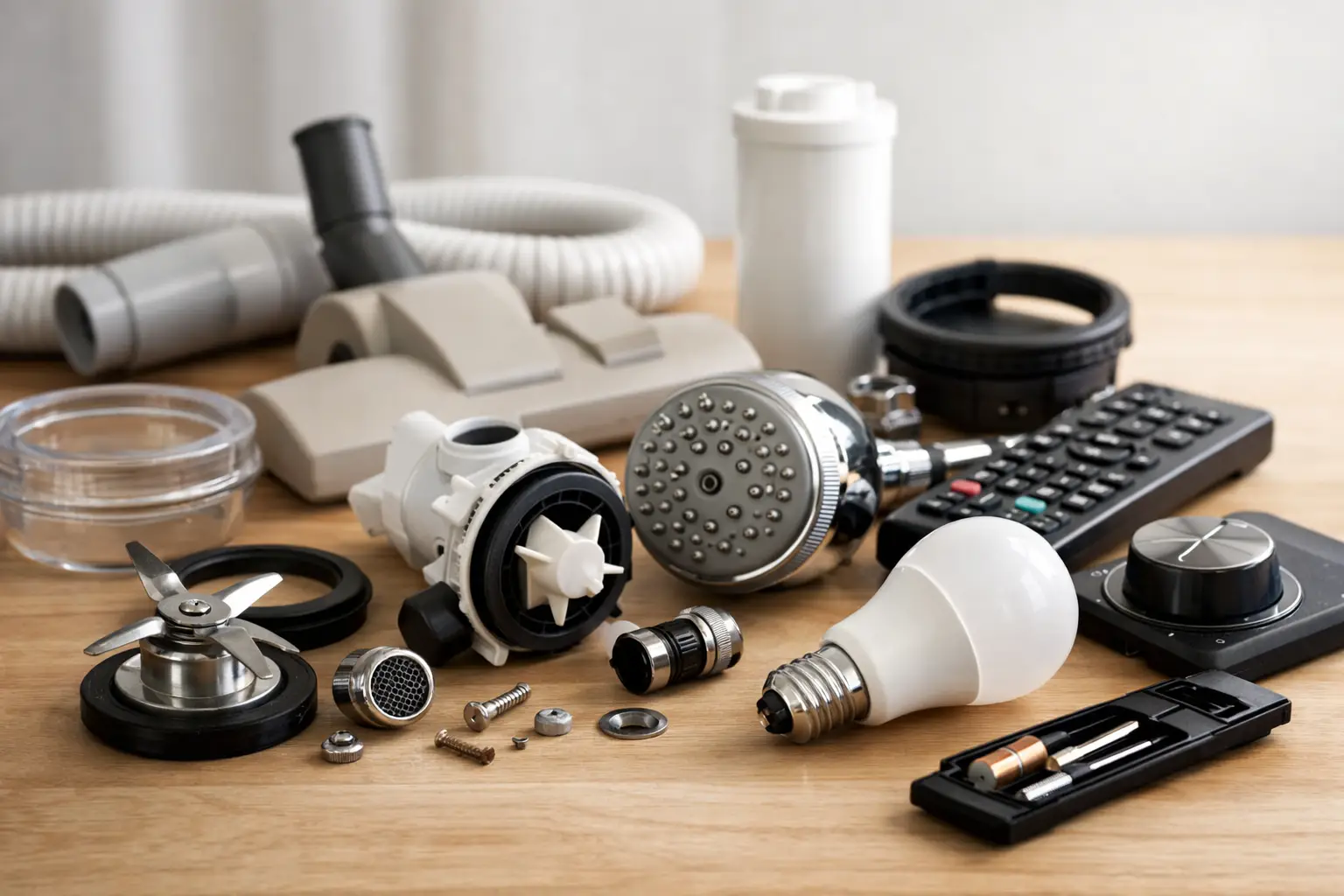
A loose vacuum filter, a cracked bin lid or a missing chair foot does not look like a big job – until it starts making the whole house feel more awkward than it should. That is why replacement parts for household items matter more than most people realise. They save money, cut waste and often sort out annoying little problems in minutes rather than turning them into full replacements.
For plenty of everyday jobs, the smartest buy is not a brand-new product. It is the small part that gets the original one back in action. If you are trying to keep the house running smoothly without spending more than you need to, knowing when to replace a part and when to replace the whole item makes life a lot easier.
Most homes are full of products that wear out in one specific place. A mop might still be perfectly good apart from the head. A washing line may only need a new fixing clip. Storage containers often survive years of use, while the lids crack, warp or vanish into the usual household black hole.
Buying the part instead of the whole item is usually the practical option. It can be cheaper, faster and less wasteful. It also means you do not need to spend time hunting for a full replacement that matches the size, fittings or style of what you already have.
There is a convenience factor too. If a toilet seat hinge, tap washer, broom handle, drawer wheel or shower attachment fails, it tends to disrupt a job you do every day. Replacing that one component gets things back to normal without much fuss.
That said, it is not always the right answer. If an item has multiple faults, poor build quality or signs of electrical or structural wear, replacing one part may only delay a bigger problem. The real trick is knowing the difference.
Some categories are ideal for part replacement because the products are built in sections. Cleaning tools are a good example. Mop heads, brush heads, dustpan handles and vacuum accessories often take the brunt of daily use while the rest of the item stays perfectly serviceable.
Kitchen and utility products are another strong case. Sink plugs, washing-up bowl stoppers, appliance knobs, shelf clips, storage box lids and replacement seals are all small items that can make a noticeable difference. When one part fails, the whole product becomes irritating to use, even though most of it is still fine.
In the bathroom, it is often the fittings and attachments that need attention first. Shower heads, hose washers, toilet seat fittings, soap dispenser pumps and plug chains are common culprits. These are small fixes, but they improve day-to-day comfort quickly.
Furniture and storage should not be overlooked either. Castors, chair feet, table leg caps, drawer runners, shelf supports and wardrobe fixings can extend the life of pieces you already own. If the structure is sound, a modest replacement part can stop a wobble, protect the floor and save a bigger spend.
Outdoor household gear follows the same pattern. Watering accessories, hose connectors, parasol components, garden storage fasteners and even replacement wheels for trolleys or bins can be well worth picking up, especially when the rest of the item still has years left in it.
The main reason people buy the wrong part is simple – they guess. Close enough rarely works when it comes to fittings, thread sizes, diameters or attachment points.
Start with the old part if you still have it. Measure it properly, check how it connects and look for any model numbers or markings. Photos help too, especially if you are comparing shape and fixing style later. For anything with a screw fitting, clip system or pressure fit, the detail matters.
It also helps to think about material, not just size. Rubber seals, plastic clips and metal fixings all behave differently over time. If the original part failed because it cracked, rusted or wore down too quickly, it may be worth choosing a sturdier version where possible.
Compatibility is where people can get caught out. Universal parts can be very handy, but only when the measurements genuinely line up. A so-called universal wheel, lid or connector that almost fits can end up being more hassle than value. If you are replacing a part for something used every day, a proper fit is usually worth prioritising.
There is a sweet spot where replacement parts offer the best value. It is usually when the item itself is still in good condition, the part is easy to fit, and the cost is noticeably lower than buying new.
Take a household brush with a worn head and a strong handle. Replacing the head makes sense. The same goes for a storage unit that needs fresh shelf pegs or a garden sprayer that only needs a new trigger fitting. These are low-cost fixes with immediate payoff.
But there are times when replacing the part is false economy. If a vacuum cleaner needs a new filter, hose, floor head and latch within a short span, the total cost and effort can start to creep up. The same applies if the core unit is already unreliable. In that case, replacing the whole thing may be the simpler route.
Electrical items deserve extra care. For basic removable accessories, replacement can be straightforward. For anything involving internal components, heating elements or wiring, safety comes first. If you are not fully sure, it is better to stop than to chance it.
One of the biggest mistakes is waiting too long. A tiny fault often puts strain on the rest of the product. A split hose connector may lead to leaks and wasted water. A missing chair foot can scratch flooring. A broken storage box clip can turn a stackable system into a collapsing mess.
Another mistake is buying the cheapest option without checking durability. Low-cost matters, especially for everyday essentials, but the best value usually comes from a part that fits properly and lasts. A flimsy washer or brittle clip can mean doing the same job twice.
People also tend to overlook sets and multipacks. If one small fitting has failed due to age, the matching parts may not be far behind. In some cases, replacing a full set of seals, clips or supports saves repeat jobs later.
Then there is the issue of using the wrong item for the job. A temporary workaround with tape, glue or an improvised fitting can create a bigger mess, particularly around water, heat or weight-bearing items. A proper replacement part is nearly always the cleaner fix.
A well-run home is not about having everything brand new. It is about keeping useful things working properly. That mindset can make shopping simpler because you stop looking only for full products and start noticing the smaller fixes that keep daily life ticking over.
This approach works especially well if you manage a busy household. Parents, renters, homeowners, pet owners and anyone juggling indoor and outdoor jobs know that minor breakages never arrive one at a time. They pop up everywhere – the kitchen, shed, bathroom, utility room, car and garden. Having access to practical, affordable parts means less disruption and fewer expensive swaps.
It also helps to think seasonally. In warmer months, outdoor connectors, watering parts and garden fixings tend to matter more. In colder months, draught-proofing accessories, storage components and indoor cleaning replacements often move up the list. Staying on top of these smaller items can make the whole home feel more organised without much spending.
For shoppers who just want a straightforward fix without trawling through multiple shops, this is where a practical retailer makes a difference. A broad range of everyday household spares and maintenance essentials, all in one place, can save time as well as money – very much the EasyPeasyMate.Shop way of doing things.
If the item is useful, mostly sound and annoying rather than ruined, a replacement part is usually worth a look. If the fault affects safety, performance across the whole product or keeps coming back, replacing the item may be the better choice.
Most households do not need more stuff. They need the right small fixes at the right time. A fresh seal, clip, wheel, lid or fitting can be the difference between a household item that gets binned and one that carries on doing its job properly. And for everyday living, that is often the easiest win going.
