Address
86 Amesbury Road
Manchester M9 6JF United Kingdom
Homeware trends for UK homes: practical storage, easy-clean materials and flexible outdoor ideas that make daily jobs simpler and spaces work harder for all.
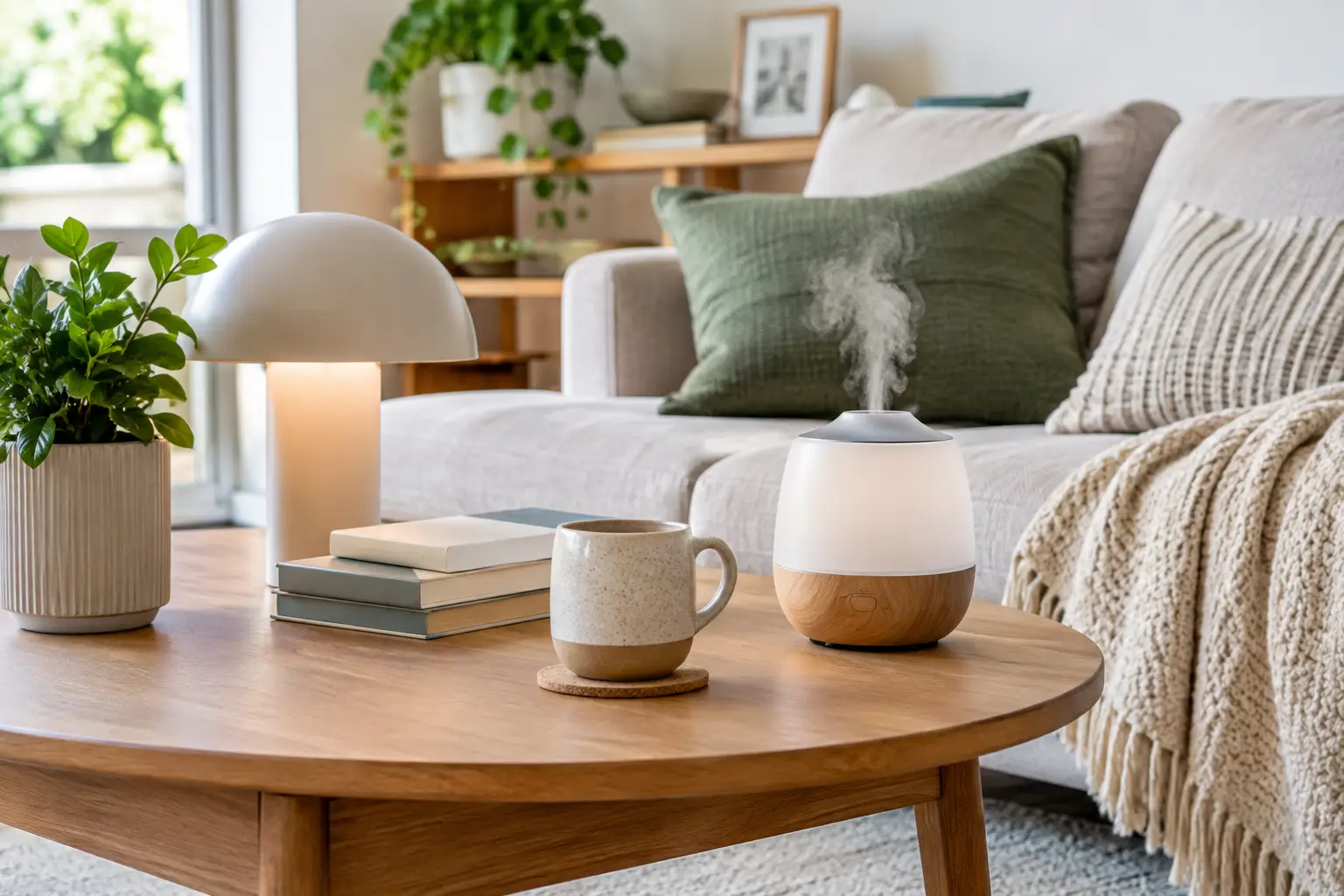
A home does not need a full makeover to feel better organised, easier to clean and more pleasant to live in. The most useful homeware trends are not about buying matching ornaments for every shelf. They are about choosing everyday items that earn their place: a laundry basket that sorts as you go, storage that stops the hallway pile-up, or tableware sturdy enough for a busy family tea.
For UK homes where cupboard space is often tight and daily life moves quickly, practical choices are having a proper moment. Think less clutter for the sake of it, more products that help the kitchen, bathroom, garden and living space work harder without making them feel overdone.
The shift towards useful homeware is easy to understand. Most of us are not looking for another job around the house. We want small upgrades that save time, reduce mess or make a routine a little less fiddly.
This means adaptable products are more appealing than single-use bits and bobs. Stackable storage boxes can hold toys one month, winter accessories the next and camping supplies when the holiday season comes around. A fold-flat drying rack is handy in a compact flat, but equally useful as a backup for a busy household with a mountain of washing.
The trick is to buy for the problem, not the photo. Before adding something to the basket, ask where it will live, how often it will be used and whether it removes a real nuisance. If the answer is vague, it may only become another thing to store.
Storage remains one of the strongest trends because it deals with a problem nearly every home has. The difference now is that people want it to blend into their rooms rather than look like a temporary fix.
Lidded boxes, under-bed containers, drawer organisers and slimline baskets help make use of awkward gaps. Clear containers are particularly handy in cupboards, utility areas and sheds because you can see what is running low without pulling everything out. Opaque boxes can be the better choice for open shelving, where visual calm matters more.
There is a trade-off. Matching containers can make a space look tidy, but buying a full set before measuring shelves is an expensive mistake. Start with one cupboard, one drawer or one category such as cleaning supplies. You will quickly learn what size and style genuinely suits your home.
In kitchens, the most useful change is often creating simple zones: baking supplies together, packed-lunch essentials in one basket, and everyday cooking tools close to the hob. In hallways, a tray for keys and post plus a shoe rack or basket can stop clutter spreading into the rest of the house.
Nobody chooses a dining table, shower caddy or worktop organiser because they fancy another cleaning task. Easy-care finishes are a sensible response to busy homes, pets, children, muddy boots and the unpredictable British weather.
Washable textiles, wipe-clean surfaces, rust-resistant bathroom accessories and dishwasher-safe tableware all make daily maintenance less of a production. Neutral shades remain popular because they work with most rooms, but warmer colours such as clay, olive, soft blue and buttery yellow are appearing in accessories to make practical spaces feel less plain.
When choosing materials, think about the room first. Glass jars look smart and are excellent for dry food storage, but they are heavier and more breakable than plastic options. Plastic is often the more realistic choice for family bathrooms, garden use or high shelves. Metal can be long-lasting, although it needs a protective finish in damp areas to avoid corrosion.
For cleaning tools, the trend is towards keeping essentials within reach rather than hidden so thoroughly that jobs get put off. A compact caddy with sprays, cloths and gloves makes quick wipe-downs far easier. Choose refillable bottles where they suit your routine, but do not feel pressured to decant every product. Clear labels and safe storage matter more than a perfectly coordinated utility cupboard.
Homes are being asked to do more. The dining table might be a homework station, occasional desk and craft surface. The spare room might store guests, exercise gear and off-season clothes. Even a corner of the living room may need to cope with several jobs.
That is why foldable, stackable and movable homeware is so useful. Nesting bowls free up kitchen cupboard room. Folding chairs are helpful when family visit but do not need to dominate the room all year. Lightweight trolleys can carry drinks outside, hold art supplies or act as mobile bathroom storage.
This does not mean every room needs to resemble a storage unit. A good rule is to keep the things you use weekly close by and move occasional-use items higher up, under the bed or into the loft if it is safe and accessible. A room feels more relaxing when its everyday purpose is clear.
Practical does not have to mean clinical. One of the friendlier homeware trends is the move towards lighting and textiles that make everyday spaces more comfortable. Rechargeable lamps, battery-operated lights and small table lamps can bring a softer glow to a dark corner without needing a major electrical job.
Throws, cushions and washable rugs still have their place, particularly in living rooms and bedrooms. The useful approach is to choose pieces that can cope with real life. Consider machine-washable covers, non-slip rug pads and darker or patterned fabrics in areas used by children or pets.
Layering light also helps the home feel more flexible. A bright main light is useful for cooking, cleaning and paperwork, while a smaller lamp makes the same room feel calmer after dinner. It is a simple change, but it can make a multi-purpose space feel more intentional.
British gardens, patios and balconies need products that can cope with changing weather and limited storage. Rather than buying a garden full of furniture, shoppers are choosing smaller, adaptable pieces: foldaway seating, weather-resistant cushions, portable lanterns and compact planters.
Container gardening continues to make sense for renters, small gardens and anyone who wants a manageable project. Raised planters and pots can be moved to find the best light, while simple watering tools and tidy hose storage help keep maintenance under control. If you are short on time, choose a few reliable herbs or low-maintenance plants rather than setting yourself up with a garden that needs constant attention.
Outdoor dining is becoming more casual too. Durable melamine-style tableware, serving trays and reusable drinkware are useful for barbecues, picnics and children’s parties. Just check the product guidance before putting anything in the dishwasher or microwave, as convenience depends on the material.
A growing part of the homeware conversation is value over novelty. Cheap can be cheerful, but only if an item lasts long enough to be worth buying. A well-made washing-up brush with replaceable heads, a sturdy peg basket or a dependable storage tub may cost slightly more than the flimsiest option, yet save repeat purchases later.
That does not mean the priciest item is always best. For something you use rarely, an affordable basic may be exactly right. Spend more thought on high-use products: bins, food containers, laundry equipment, cleaning tools, bedding and kitchen utensils. These are the items most likely to affect the rhythm of your week.
At EasyPeasyMate.Shop, the aim is straightforward: useful finds for the jobs that keep a home ticking over. Look for products that solve one clear problem and fit naturally into your routine, whether that is organising the boot room, refreshing the bathroom or getting the garden ready for warmer weekends.
The best home update is often the one you barely notice after a week, because it has quietly made a daily task easier. Start with the corner that annoys you most, choose one practical improvement, and let your home work a little harder for you.
