Address
86 Amesbury Road
Manchester M9 6JF United Kingdom
Find the best food storage containers for meal prep, from glass to plastic, with practical tips on sizes, lids and keeping fridge space tidy.
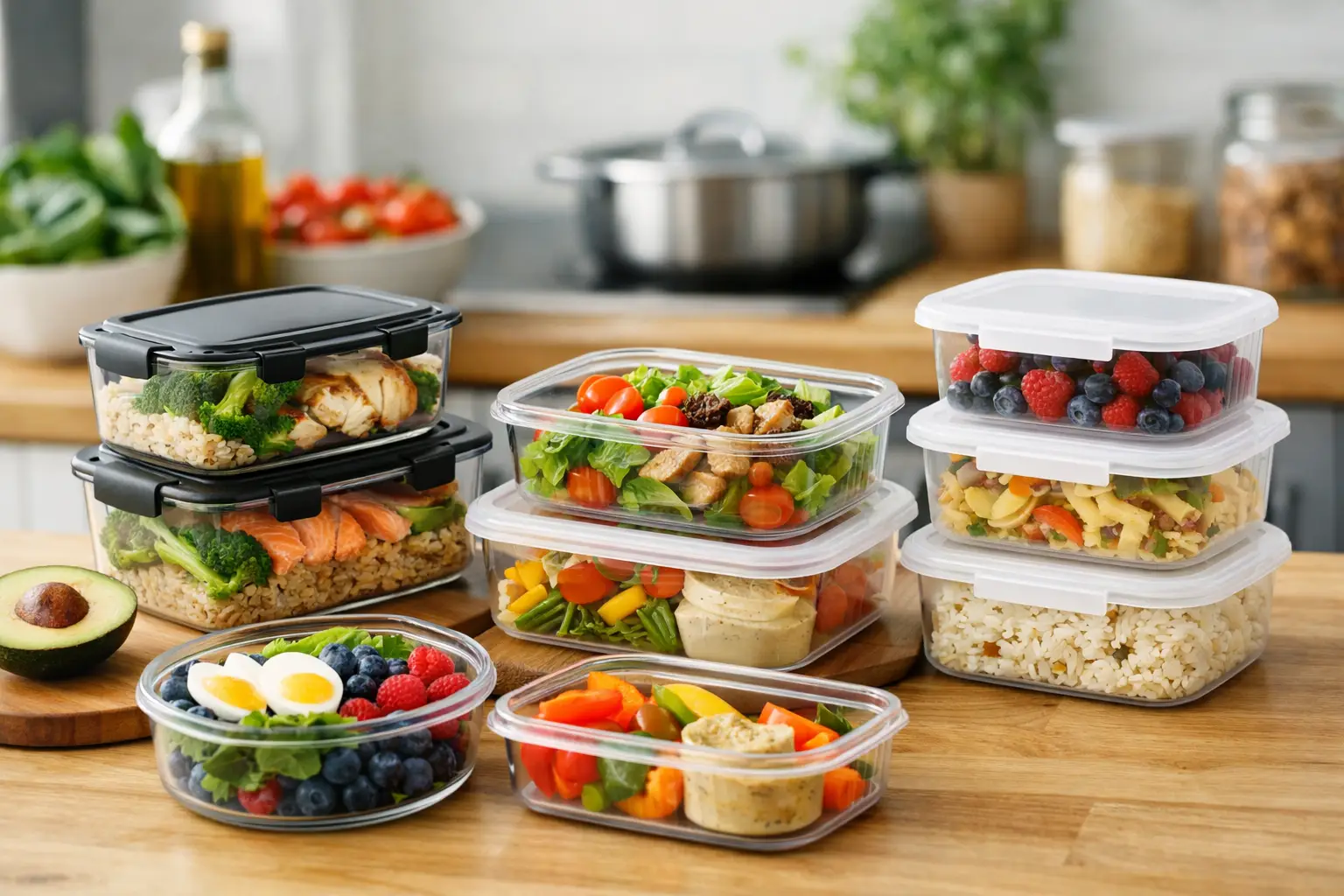
If your fridge turns into a jumble of half-used ingredients, mismatched tubs and leaking leftovers by Wednesday, the right food storage containers for meal prep can sort that out fast. A good set does more than hold food. It helps you portion properly, stack neatly, grab lunches in seconds and waste less at the end of the week.
Meal prep sounds simple until the containers make it annoying. If the lids never match, the sizes are awkward or the base stains after one curry, you end up avoiding the whole routine. That is why choosing the right container matters just as much as choosing the right recipes.
The best containers save time in small but useful ways. You can batch cook once, divide meals quickly and keep ingredients separate when needed. They also help with portion control, especially if you are trying to make packed lunches, manage family dinners or stop relying on expensive last-minute takeaways.
There is also the storage side of things. In a busy household, fridge and freezer space disappears quickly. Stackable containers with sensible shapes make a bigger difference than people expect. Square and rectangular options usually make better use of shelves than round ones, though round tubs can still be handy for soups, sauces and chopped fruit.
The best choice depends on how you actually use your kitchen. A single person prepping office lunches needs something different from a family batch-cooking dinners for five. Still, a few features are worth paying attention to.
Glass containers are popular for good reason. They are sturdy, resist staining better than most plastic and usually feel a bit more premium. If you often reheat meals in the microwave or store tomato-based dishes, glass is a strong option. It also tends to keep its shape and stay looking tidy over time.
The trade-off is weight. Glass is heavier to carry, especially if you are packing lunch for work, school runs or travelling in the car. It can also be less forgiving if dropped on a hard kitchen floor.
Plastic containers are lighter, easier to carry and often more budget-friendly. For many households, that makes them the practical everyday choice. They are especially useful for snacks, dry ingredients and packed lunches. The downside is that cheaper plastic can stain, hold onto odours and warp if exposed to too much heat.
If you want the easiest setup, a mix often works best. Use glass for reheatable main meals and plastic for lighter grab-and-go items.
A container is only as useful as its lid. Loose lids are frustrating, but overly stiff ones are not much better when you are trying to pack meals in a rush. Look for lids that snap on securely without needing a wrestling match.
Leak resistance is especially worth checking if you prep soups, overnight oats, pasta dishes with sauce or salad dressings. Not every container is truly leakproof, even if it looks the part. For dry foods, this matters less. For commuting lunches, it matters a lot.
Buying a giant multi-pack sounds sensible until you realise every tub is the same size. In real kitchens, variety helps. Larger containers suit batch-cooked chilli, pasta bake or roast veg. Medium ones are ideal for lunches and leftovers. Smaller tubs are handy for sauces, fruit, nuts or chopped herbs.
Shape matters too. Rectangular and square containers are easier to stack in the fridge, cupboard and freezer. They usually give you more usable storage space and look neater on shelves. Round containers can still earn their place, but they are rarely the most efficient choice for a full meal prep setup.
It sounds obvious, but check how the containers fit your routine. If you freeze portions, make sure they are freezer-safe. If you reheat lunches at work, microwave suitability matters. If washing up is already a daily battle, dishwasher-safe pieces will save hassle.
Just remember that not every part of the container may be suitable for every appliance. Bases and lids can have different care instructions, and that is where people often get caught out.
There is no single best option for every household. It depends on what you prep and how often you do it.
If you batch cook full meals on a Sunday, you will probably want stackable medium-to-large containers with reliable lids and a shape that fits neatly in the fridge. If your focus is packed lunches, separate compartments can be useful for keeping salad away from dressing or fruit away from sandwiches. If you prep ingredients rather than full meals, smaller containers may be more useful than large ones.
Families often do well with a mix of sizes that can cover lunches, leftovers and chopped ingredients all in one set. Solo shoppers may prefer uniform containers that stack neatly and keep portions consistent. If cupboard space is tight, nesting designs are worth considering, though some nest better in theory than in practice.
One of the biggest mistakes is buying based on appearance alone. A tidy-looking set can still be awkward to stack, hard to clean or annoyingly flimsy. It is worth thinking about daily use rather than just how the containers look when empty.
Another common issue is overbuying giant tubs. Large containers feel versatile, but they are not always ideal for portioned meals. Too much empty space inside can make portions look smaller, and large boxes can quickly take over fridge shelves.
People also underestimate how useful matching lids are. A coordinated set saves time and cuts down that usual cupboard chaos. If every container has a different lid shape, meal prep becomes more fiddly than it needs to be.
Finally, be realistic about your habits. If you know you want quick lunches for work, choose containers that are easy to carry and reheat. If you mainly need to store prepped vegetables and leftovers, a simpler and more affordable option may be all you need.
Good containers help, but a simple routine helps even more. Pick two or three sizes you will use every week rather than trying to cover every possible scenario. Keep similar foods together, label freezer meals if needed and leave a little room in containers for foods that expand when frozen.
It also helps to decide what you are prepping before you start filling tubs at random. For example, cooked grains, chopped veg, protein portions and sauces all store differently. When each has the right container, your fridge feels organised instead of crowded.
A small point that makes a big difference is cooling food properly before sealing it up. That helps reduce excess moisture and keeps food in better condition. It also stops your containers from ending up with that soggy, steamed-up look by the next day.
Sometimes yes, sometimes no. If you pack lunches regularly and want to keep foods separate, compartment containers are handy. They are useful for salads, snack boxes and meals where texture matters. No one wants cucumber soaking into a wrap by lunchtime.
That said, compartments can be less flexible than plain containers. If one section is too small or too large for what you actually eat, the whole container becomes awkward. They can also be trickier to clean and stack. For many people, a few standard containers plus a couple of smaller side tubs do the job just as well.
The ideal meal prep setup should make life easier, not fill every cupboard. Before buying, think about where the containers will live. Deep drawers, narrow cupboards and packed freezers all influence what shape and size works best.
If space is limited, go for stackable sets with a sensible footprint. Flat lids, straight sides and nesting bases all help. If your household is always on the move, lightweight containers are often the more practical option. If you prefer durability and long-term value, glass may be worth the extra weight.
For busy homes, practical choices usually win. That is why a straightforward range of kitchen essentials, like the kind you would expect from EasyPeasyMate.Shop, can be more useful than fancy extras you never reach for.
The right food storage containers for meal prep should feel like one less thing to think about. When they stack well, seal properly and suit the way you actually cook, planning meals gets quicker, leftovers stay fresher and the whole kitchen runs that little bit smoother. Pick what fits your routine, not just what looks good in a product photo, and you will notice the difference by the next shop.
