Address
86 Amesbury Road
Manchester M9 6JF United Kingdom
Eco cleaning trends 2026 bring refillable products, concentrated formulas and smarter tools. See what helps UK homes cut waste without extra fuss at home.
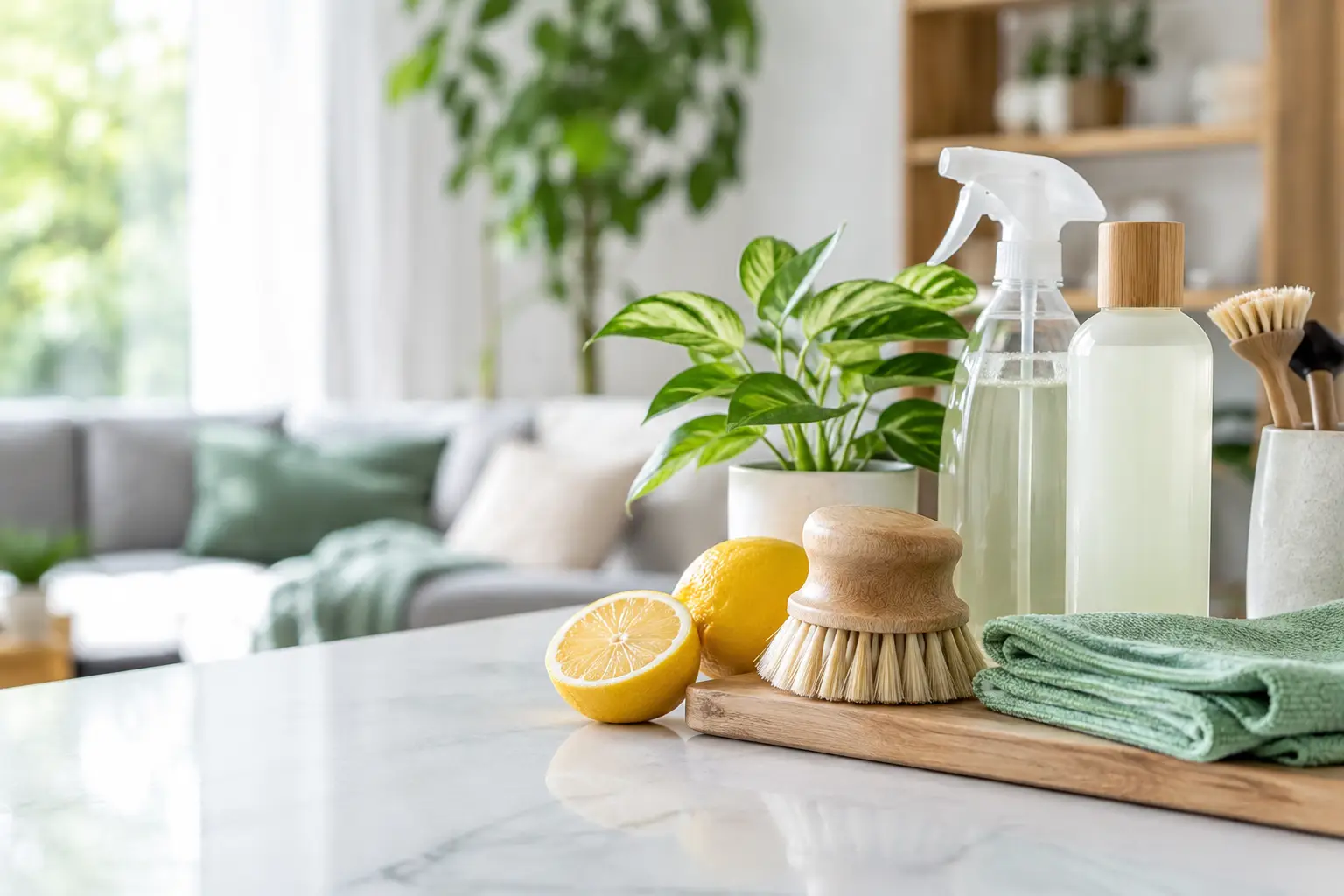
A bottle under every sink, a drawer full of half-used sprays and a cupboard stuffed with disposable cloths can make cleaning feel more wasteful than it needs to be. The most useful eco cleaning trends 2026 are not about turning your home into a science project. They are about buying fewer, better basics, using them properly and cutting down on the packaging and repeat purchases that quietly pile up.
For busy UK households, the sweet spot is practical eco cleaning: products that handle muddy paws, kitchen splatters, bathroom limescale and everyday mess without adding more jobs to the list. Here is what is likely to shape greener cleaning routines this year, plus where a little common sense matters more than a fashionable label.
The biggest shift is away from single-use convenience and towards products designed to earn their cupboard space. That means refills, concentrates, durable tools and multi-purpose formulas with clear instructions.
This does not mean one spray must clean every surface in the house. A worktop, a shower screen and a wooden table all have different needs. It means choosing a smaller, sensible cleaning kit rather than buying a new specialist bottle for every minor task.
The products worth considering are the ones that solve a real household problem while reducing what you throw away. If a refill system is awkward, expensive or difficult to store, it may not suit your routine. The greenest option is often the one you will genuinely keep using.
Refillable cleaning bottles are moving from niche purchase to everyday option. Instead of binning a trigger-spray bottle each time it is empty, households can keep a sturdy bottle and top it up with a tablet, sachet or concentrated liquid.
The appeal is straightforward: less plastic, less bulk in the cupboard and fewer heavy bottles to carry home. For households that get through kitchen and bathroom cleaner quickly, refills can also make the weekly shop easier to manage.
There are a few things to check before switching. Make sure the bottle is clearly labelled, especially if several people clean at home. Use the correct refill for the correct bottle, follow dilution instructions and do not mix cleaning products. A refill bottle is only useful if its spray head still works well, so choose one built for repeated use rather than a flimsy container that leaks after a few refills.
Concentrated cleaners are closely tied to the refill trend. They are sold in smaller formats and mixed with water at home, reducing the amount of water transported in ready-to-use bottles.
They can be brilliant for flats with limited storage, caravans where every bit of space counts, and households tired of lugging bulky supplies. But more concentrate is not better. Using too much can leave residue on surfaces, waste product and sometimes make floors feel sticky. Measure carefully, especially for floor cleaners, and keep concentrates safely out of reach of children and pets.
Disposable wipes are handy in a hurry, but they create a steady stream of waste and are not a substitute for a proper clean. In 2026, more households are expected to favour washable cloths, reusable scrub pads and mop heads that can be cleaned and used again.
Microfibre cloths remain a practical choice because they lift dust and grease effectively with less product. The trade-off is that synthetic fibres can shed microplastics during washing. To make them a better long-term option, use each cloth for as long as possible, wash it only when needed and choose a lower-temperature cycle. A washing bag designed to catch loose fibres can help too.
For certain jobs, natural-fibre brushes, cellulose sponges and compostable cloths may be a good fit. They are not automatically the best answer in every home. A brush that falls apart after a fortnight is not as useful as a tough tool that lasts for years. Durability still counts.
Shoppers are becoming more interested in what is inside cleaning products, but clear information matters more than dramatic marketing. Terms such as “natural”, “non-toxic” and “chemical-free” can sound reassuring, yet they do not tell you enough on their own. Everything is made of chemicals, including water and vinegar.
Look for straightforward usage guidance, safety information and instructions on suitable surfaces. Products with readily biodegradable ingredients, responsibly sourced materials or independently recognised environmental standards can be useful options, but they still need to work for the job at hand.
Fragrance is one area where preferences differ. A fresh scent can make a room feel clean, but heavily fragranced products may not suit everyone, particularly people sensitive to perfumes or households with young children and pets. Unscented or lightly scented choices are becoming easier to find, giving shoppers more control over what lingers in their home.
Enzyme-based cleaners are gaining attention for tackling organic messes such as food spills, pet accidents and odours. Rather than relying solely on strong fragrance to cover a smell, they are designed to break down the source of the mess.
They are particularly handy in homes with pets, busy kitchens and bins that need a proper refresh. As with any cleaner, read the label before using one on delicate materials. Enzymes can be useful, but they are not a magic fix for every stain, and they often need a little contact time to do their job.
Eco cleaning is not only about the bottle. It is also about how much water and energy a routine uses. Running a tap while scrubbing, repeatedly rinsing a cloth or using a full bucket for a small spill adds up over time.
A simple approach works well: spray cleaner onto a cloth where appropriate rather than soaking the whole surface, use a small basin for hand-washing items and tackle marks before they become a deep-cleaning job. For laundry, full loads and lower temperatures can reduce energy use, provided the wash is suitable for the fabric and level of dirt.
Steam cleaners also remain popular for some household tasks because they can reduce the need for chemical sprays on sealed hard surfaces. They are not right for every material, though. Unsealed wood, certain laminates and delicate finishes can be damaged by heat and moisture. Always check the surface guidance first rather than assuming steam is universally safe.
One of the most helpful trends is a return to a streamlined kit. A dependable all-purpose cleaner, bathroom cleaner, washing-up liquid, laundry detergent, reusable cloths, a brush and a mop can cover a surprising amount of household cleaning.
This can save money and reduce cupboard clutter, especially when products are bought with refills in mind. However, do not force a multi-purpose cleaner into every task. Disinfecting, descaling and removing oven grease may require products designed for those jobs. Using the right amount of the right cleaner is usually more efficient than repeatedly attacking a stubborn mess with an unsuitable one.
For kitchen and food-preparation areas, clean first and disinfect only when there is a genuine hygiene need. Overusing antibacterial products is rarely necessary for normal day-to-day tidying. Warm water, detergent and thorough wiping are often enough.
Before adding another eco-labelled item to the basket, ask a few practical questions. Will you use it regularly? Can you refill it, wash it or keep it for a long time? Does it suit your surfaces, household and storage space? Is the packaging proportionate to what you are buying?
It also helps to use what you already own before replacing it. Finishing an existing cleaner safely is usually less wasteful than throwing it out simply because a newer option looks greener. When it is time to restock, choose practical essentials that make repeat buying simpler, whether that is a durable brush, reusable cloths or a refill format that fits your usual routine.
EasyPeasyMate shoppers do not need a complete cupboard overhaul to make a difference. Start with the item you replace most often, then make the next purchase a little more useful and a little less wasteful. A cleaning routine that is easy to keep up is the one most likely to stick.
