Address
86 Amesbury Road
Manchester M9 6JF United Kingdom
Are reusable cleaning cloths better for everyday messes? Compare cost, hygiene and cleaning power, with simple care tips for a fresher, tidier home.
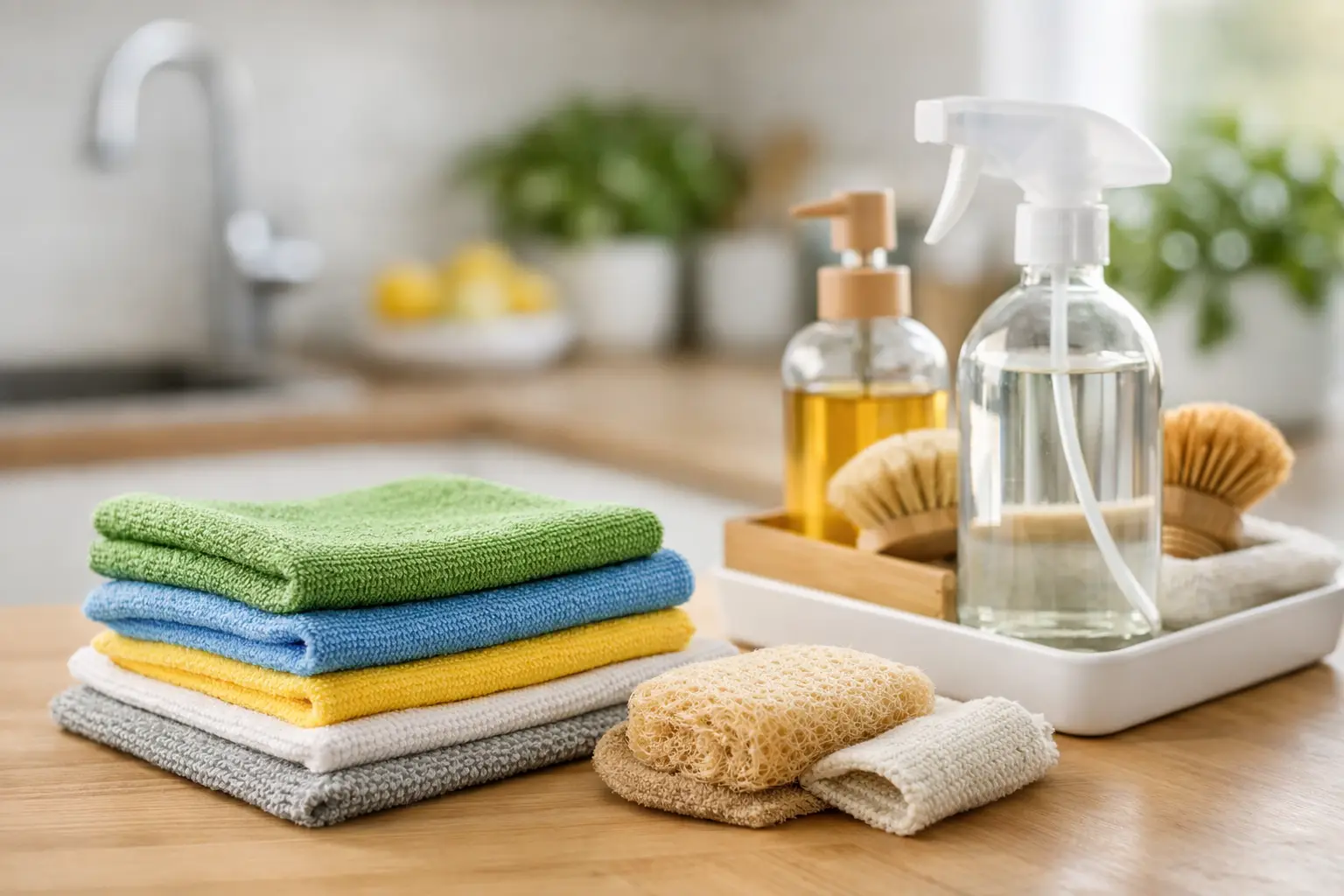
A roll of kitchen towel can disappear surprisingly quickly after a busy week of spills, muddy paw prints and post-dinner wipe-downs. So, are reusable cleaning cloths better? For most everyday jobs around a UK home, yes – provided you use the right cloth for the task and wash it properly. They can cut repeat spending, handle more mess than a single sheet of paper and make a regular cleaning routine feel far less wasteful.
The catch is that a reusable cloth is only as useful as its care routine. Leave one damp by the sink for days, use it for every surface, then never wash it hot enough, and it stops being the easy option. The best approach is simple: keep a small selection of cloths, give each one a job, and refresh them regularly.
Reusable cloths are usually the better all-round choice for wiping worktops, cleaning cupboard doors, dusting, polishing mirrors, drying dishes and tackling everyday spills. A decent cloth can be rinsed, reused and laundered many times, so one pack goes much further than disposable wipes or kitchen roll.
They are also more flexible. A soft microfibre cloth can lift dust from a television stand without scratching it, while a cotton or cellulose cloth is handy for washing up and wiping down the sink. For households with children, pets, a garden or a car to look after, having washable cloths ready means you are less likely to run out just when a mess needs sorting.
That does not mean paper towels have no place. They are useful for soaking up a greasy cooking spill, blotting raw-meat juices or dealing with something you would rather throw straight in the bin. Reusable cloths work best as the everyday default, with disposable paper kept for the occasional unpleasant or high-risk job.
Buying a reusable cloth can cost more than a sheet of kitchen roll at the start, but the value becomes clearer over time. Instead of repeatedly adding disposable wipes and paper towels to the shopping list, you keep a set of cloths in use and wash them with your usual laundry. For a home that cleans little and often, that can reduce the number of last-minute cupboard-top-up shops.
Convenience matters too. Keep separate cloths in the kitchen, bathroom and utility area, and you will always have something suitable to hand. A colour-coded set makes this even easier: one colour for food-prep surfaces, another for bathrooms, and another for general dusting. It is a small habit that avoids spreading bathroom germs onto kitchen worktops.
Cleaning performance depends on the material and the surface. Microfibre cloths are brilliant for dust, fingerprints and glass because their fine fibres pick up particles and moisture effectively. Use them lightly damp rather than dripping wet for mirrors, taps and shiny finishes. Cotton cloths are absorbent and sturdy, making them a sensible choice for everyday wet jobs. Cellulose and sponge cloths are useful around the sink, although they need thorough drying between uses.
For stubborn marks, the cloth is only one part of the job. Warm water, the right cleaner for the surface and a little patience often matter more. Never use an abrasive cloth on delicate paintwork, glossy cabinets or coated screens unless the manufacturer says it is safe.
The main concern people have about reusable cloths is fair: can they harbour bacteria? Any damp cleaning item can, including a sponge, dish brush or mop head. The answer is not to avoid reusable cloths altogether. It is to avoid treating one cloth as a permanent fixture beside the tap.
Rinse cloths well after use to remove food and cleaning residue. Squeeze out excess water and hang them somewhere with airflow, rather than leaving them crumpled in the bottom of the sink. Once a cloth starts to smell musty, feels slimy or looks stained beyond recovery, wash it straight away or replace it.
For ordinary household cleaning, laundering cloths regularly on a suitable warm or hot wash is usually enough. Check the care label, particularly for microfibre, as very high temperatures can shorten the life of some fabrics. Wash kitchen and bathroom cloths separately from clothing where possible, and avoid fabric conditioner on microfibre. Conditioner can coat the fibres and reduce their ability to pick up dust and absorb moisture.
If you have wiped up raw meat juices, pet accidents, vomit or anything linked to illness, use a disposable option where practical, or put the reusable cloth straight into the wash without using it elsewhere. Clean the surface with an appropriate disinfectant if required, following the product instructions and contact time. A cloth should help you clean a surface, not move a problem from room to room.
There is no single best cloth for every job. A small, useful mix will make cleaning quicker and protect different surfaces around the house.
Microfibre is the go-to for dusting, windows, mirrors, stainless steel and car interiors. It is highly effective with water alone for light marks, which can help you use less cleaning product. However, it is a synthetic material and can shed tiny fibres during washing. Wash it only when needed, choose well-made cloths designed to last, use a full load where possible and avoid replacing them simply because a newer set looks tempting.
Cotton cleaning cloths and old cotton tea towels are a straightforward option for wet cleaning, drying and general-purpose wiping. They may not leave glass quite as streak-free as microfibre, but they are hard-wearing and easy to understand. A basic cotton cloth is often the no-fuss choice for a quick clean of the dining table or a muddy shoe mark by the door.
Cellulose sponge cloths absorb plenty of water and are useful for washing up, wiping splashes and cleaning the sink. They need to dry fully to stay fresher for longer, so do not keep several piled wet together. For scrubbing pans or grout, use a dedicated scourer or brush rather than sacrificing your worktop cloth.
A practical starter set might include several microfibre cloths for dry and polished surfaces, a few cotton cloths for wet jobs, and separate bathroom cloths that never enter the kitchen. EasyPeasyMate.Shop focuses on these kinds of everyday problem-solvers because the right basic tools save time far more often than a cupboard full of specialist gadgets.
Reusable does not have to mean never disposable. Kitchen roll is particularly helpful for draining fried food, absorbing a large oil spill, handling raw poultry packaging or cleaning up a mess that could contaminate other laundry. Disposable disinfectant wipes can also be useful when you need a quick, contained clean away from home, such as in a caravan or car.
The key is to use disposables deliberately rather than automatically. Reaching for a fresh sheet to wipe a splash of water from the worktop is rarely necessary. A clean, washable cloth does that job just as well and is ready again after a rinse.
A few simple habits prevent the common frustrations of grey, smelly or ineffective cloths. Keep dirty cloths in a small open basket or washable bag until laundry day, rather than sealing damp ones in an airtight container. Do not overload them with cleaning product, as residue can build up and make them less absorbent. For glass and mirrors, use a clean cloth rather than one that has just been used with cream cleaner in the kitchen.
It also helps to retire cloths by task, not only by appearance. A cloth that is no longer good enough for kitchen surfaces may still be useful for cleaning muddy plant pots, bicycle frames or wheel trims. Once it is frayed, permanently smelly or no longer performs well after washing, replace it without guilt. Reuse is about getting a good working life from an item, not keeping it forever.
A tidy pile of clean cloths is one of those modest household wins that pays off every day. Choose durable materials, keep jobs separate and wash them before they become unpleasant, and reusable cloths will make routine cleaning quicker, cheaper and much easier to keep on top of.
