Address
86 Amesbury Road
Manchester M9 6JF United Kingdom
Find the best autumn garden clean up tools for leaves, beds, lawns and paths. Practical picks to make garden tidying quicker and easier.
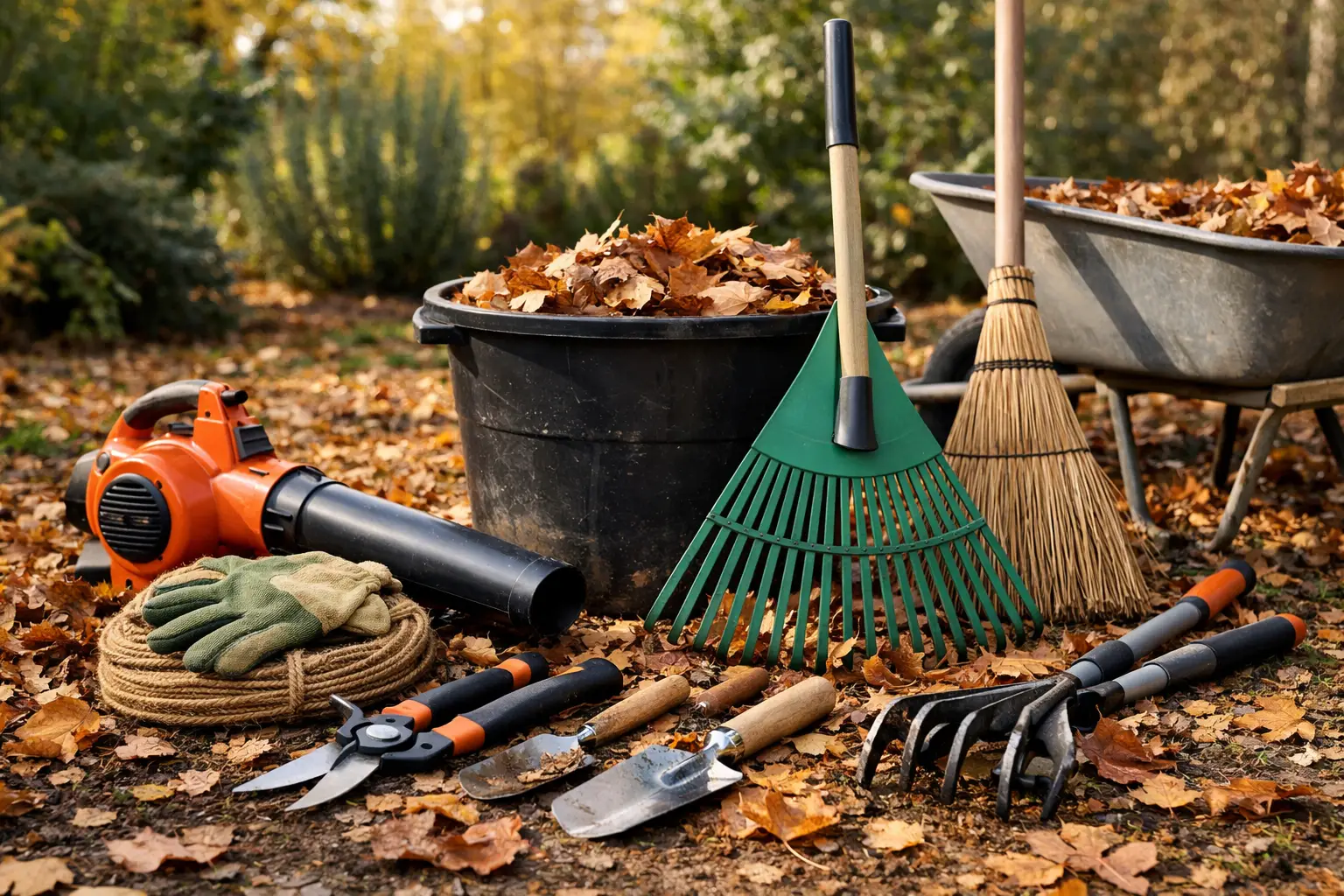
The first cold morning usually tells you everything. Leaves are suddenly everywhere, the lawn is slick, borders look tired, and the jobs you could ignore in September now need doing properly. The right autumn garden clean up tools make that seasonal tidy-up far quicker, less messy and much easier on your back.
Autumn gardening is not really about making everything look perfect. It is about getting your outside space under control before winter turns small jobs into muddy, awkward ones. A decent rake, a reliable pair of gloves and a few smart extras can save a lot of time, especially if you want your garden, patio and paths looking neat without spending your whole weekend on it.
You do not need a shed full of specialist gear. For most UK gardens, the most useful tools are the ones that deal with leaves, soggy debris, light pruning and general clearing. If a tool helps you work faster in damp weather and cuts down on repeated bending, it earns its place.
A leaf rake is usually the starting point. For lawns, a wide plastic rake is often the better choice because it lifts leaves without tearing up the grass. On gravel or rougher ground, a metal rake can be more effective, but it is heavier and can be a bit aggressive if you are working around delicate edges or freshly planted areas. If you only want one, think about where the bulk of your autumn mess actually lands.
A stiff outdoor broom is just as handy as a rake, sometimes more so. Patios, decking and paved paths are often easier to clear with a broom, especially when leaves are damp and stuck down. A good broom also helps with the final pass once the bigger debris is gone, so the space looks properly finished rather than half-done.
Gloves matter more than people think. Autumn clear-ups involve wet leaves, thorny stems, rough branches and the occasional hidden surprise in the borders. A grippy, water-resistant pair makes everything easier, and if they fit well you are more likely to keep them on instead of working bare-handed for half the job.
Garden waste bags or a pop-up trug are another simple upgrade. Carrying armfuls of leaves to the bin is a fast way to turn a straightforward task into a chore. A collapsible garden bag keeps the job moving and is especially useful if you are clearing several areas in one go.
If your garden is small, basic hand tools may be all you need. But if you have a larger lawn, mature trees or a lot of hedging, a few time-saving tools can make a real difference.
A leaf grabber set is one of those products that seems unnecessary until you use it. Once leaves are raked into piles, grabbers make lifting them much quicker and cleaner. They are particularly useful after rain, when leaf piles are heavy and awkward to scoop by hand.
Secateurs are another autumn essential. This is the season for cutting back faded perennials, removing dead growth and tidying up anything damaged by summer weather. The key here is comfort and sharpness. Cheap, blunt secateurs can make a small pruning job frustrating, especially if you are dealing with thicker stems or lots of repeated cuts.
For branches that are beyond secateur size, loppers are worth having. They give you more reach and leverage, which helps when trimming shrubs or cutting back woody growth before winter. If your garden has very little shrubbery, you may not need them often. But when you do need them, nothing else really substitutes.
A hand trowel and hand fork are useful for clearing out annuals, lifting weeds and loosening compacted soil around borders. They are not glamorous purchases, but they are the sort of tools that get used in every season. In autumn, they help you tidy beds properly rather than just skimming the surface.
Different areas of the garden need different handling, and that is where many people waste time. Using one tool for everything usually means slower work and patchy results.
On lawns, stick with a leaf rake or lawn rake and avoid scraping too hard when the ground is wet. Grass can be damaged more easily in autumn, particularly after prolonged rain. If leaves are left to sit, they block light and encourage soggy patches, so regular light clearing is better than one huge session.
In beds and borders, secateurs, gloves and a small fork do most of the heavy lifting. This is where you cut back what is finished, remove anything diseased, and clear weeds before they spread. It is not always best to strip everything bare, though. Some seed heads and stems can be left for structure and wildlife. If you like a tidy look, you can still be selective rather than ruthless.
On patios, paths and decking, a stiff broom and a scraper for moss or packed debris are often the best combination. Wet leaves on hard surfaces are slippery, so this is one area worth staying on top of. If you have a pressure washer, it can help, but it is not always the right first move. In colder weather, blasting already wet surfaces can create more mess and may not be practical every week.
The cheapest tool is not always the best value, but the most expensive one is not automatically better either. A lot comes down to how often you will use it and how large your garden is.
Handle length is a big deal. If a rake or broom is too short, the job becomes uncomfortable very quickly. For regular autumn use, a longer handle usually means less strain and better reach. Weight matters too. A heavy metal tool may feel sturdy, but if you are clearing a full garden, lighter options are often easier to manage.
Storage is another practical point. Folding bags, compact hand tools and slimline rakes are easier to live with if you are short on shed or garage space. That matters just as much as performance for plenty of households.
Materials also affect upkeep. Stainless steel resists rust better than lower-grade metal, while plastic rake heads can be gentler on lawns but may wear faster if used on rough ground. There is no perfect answer for every garden. It depends on whether you mostly deal with grass, paving, borders or a mix of all three.
If you are starting from scratch, it makes sense to build a basic kit first and add to it only if your garden really needs more. For many households, a reliable autumn setup is just a rake, broom, gloves, secateurs and a garden waste bag. That covers most of the common jobs without cluttering your shed with rarely used extras.
Then there are the nice-to-haves. Leaf grabbers are useful if you clear lots of leaves. Loppers help if you have established shrubs and thicker stems. A kneeler can be a good shout if border work leaves you stiff for days afterwards. These extras are worthwhile when they solve a real problem, not just because they sound handy.
That is often the easiest way to shop for seasonal tools. Start with the tasks that eat up the most time in your garden and choose products that make those jobs quicker, cleaner or more comfortable. That practical approach fits the EasyPeasyMate.Shop way of doing things – useful essentials that help life run a bit more smoothly.
Leaving everything until one big clear-up is probably the most common mistake. It feels efficient, but by the time leaves are wet, compacted and mixed with twigs, the whole job is heavier than it needs to be. Short, regular clears are usually easier.
Using indoor cleaning gear outside is another one. Household brushes wear out quickly on rough paving, and flimsy gloves rarely hold up against garden work. Outdoor jobs are easier when the tools are actually made for them.
It is also easy to over-tidy. Not every faded plant needs cutting to the ground, and not every corner has to look bare by November. A clean, safe garden is the goal, not a stripped one. Keeping paths clear, lawns breathable and borders manageable is often enough.
Autumn jobs are never glamorous, but they do set you up for an easier winter and a better start in spring. Get the basics right, choose tools that match your space, and the whole clear-up feels far less like a slog and more like one smart afternoon well spent.
