Address
86 Amesbury Road
Manchester M9 6JF United Kingdom
Find the best baby travel essentials for easier family trips, from feeding and sleep kit to nappy-changing basics and smart space-saving picks.
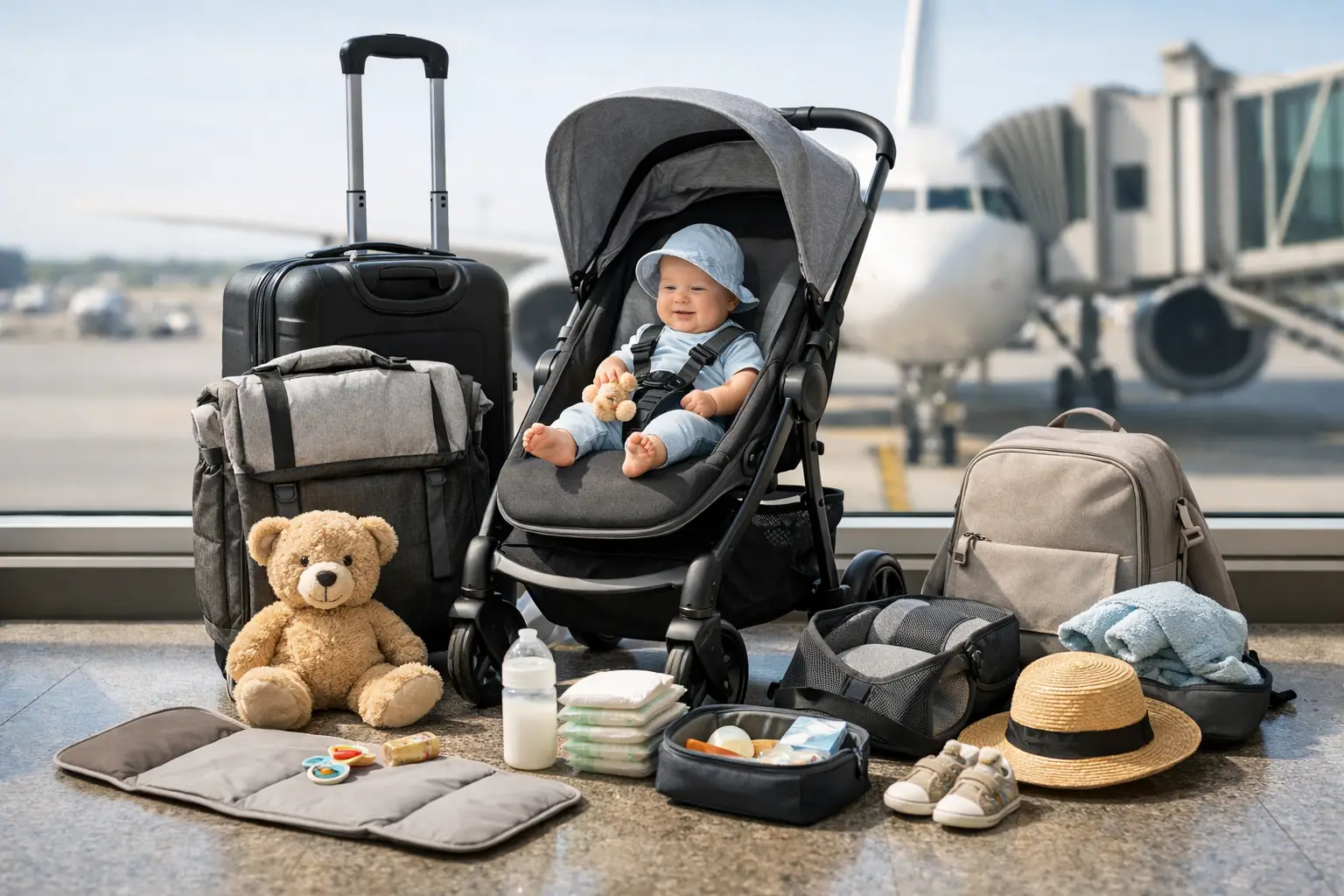
Anyone who has tried to leave the house with a baby knows the hard part is rarely the journey. It is the packing, the timing, the last-minute nappy change, and the sinking feeling that you have forgotten the one thing that would have made the whole day easier. The best baby travel essentials are not about taking everything. They are about taking the right things.
That matters whether you are heading off for a weekend with grandparents, a longer family break, or just doing a day trip that somehow needs half the nursery packed into the car. A good travel setup should save space, cut stress, and help you handle feeding, changing, sleeping and keeping baby comfortable without turning every outing into a military operation.
Practicality comes first. If something is bulky, fiddly or only useful in one very specific situation, it probably does not deserve a place in your bag. The best travel items tend to do one of three jobs well. They save space, they keep things clean and organised, or they make routine tasks quicker when you are away from home.
It is also worth thinking about the kind of trip you actually do. A family flying abroad may prioritise lightweight kit and compact folding gear. A caravan break or UK road trip gives you more room, so comfort items can earn their place. For train travel or city breaks, hands-free options and easy access matter more than packing the kitchen sink.
Not all baby bags are equal. The best ones are less about style and more about layout. Separate compartments for nappies, wipes, bottles, spare clothes and your own essentials make a huge difference when you need something quickly.
A wide opening helps more than parents expect. So do insulated bottle pockets and wipe-clean linings. If you are juggling a pushchair, car seat and an overtired baby, a bag that lets you grab what you need in seconds is worth it. Backpack styles are especially handy for airports, stations and long walks because they spread the weight better than shoulder bags.
Changing facilities are unpredictable. Some are spotless, some are tiny, and some are simply not there. A foldable changing mat gives you a clean surface wherever you stop, whether that is a service station, a café loo or the boot of the car.
Keep a mini changing kit inside with a few nappies, wipes, nappy sacks and barrier cream. That way you do not need to drag the full bag into every stop. It is one of those small changes that makes travel feel far less chaotic.
Feeding away from home can be simple if you plan for mess. For bottle-fed babies, pre-measured formula dispensers, spare teats, muslin cloths and insulated bottle storage can save a lot of hassle. For weaning babies, think compact snack pots, bibs that catch crumbs, and a sturdy sippy cup or straw cup that does not leak all over the changing bag.
This is one area where buying cheap can backfire. Lids that pop open and containers that leak are not a bargain if they ruin clothes, blankets and wipes. The better choice is usually a few dependable pieces that travel well and clean up quickly.
Muslins earn their place every time. They work as burp cloths, emergency bibs, light blankets, sunshades over a pushchair, makeshift changing covers and wipe-up cloths when snacks go sideways.
Take more than you think you need, but not so many that you pack for every possible disaster. Three to five is usually a sensible number for a day out or overnight stop. They are lightweight, easy to wash and endlessly useful.
A spare vest and sleepsuit stuffed loosely into a bag sounds fine until you need them in a hurry. Packing full changes of clothes together in zip pouches or small organiser bags is much easier. One outfit for the baby, and if you have room, one top for yourself. Babies have a habit of spreading the problem around.
Think about the weather too. In the UK, a warm morning can turn into a chilly afternoon fast. Layers usually beat bulky outfits, especially if you are moving between the car, outdoors and heated indoor spaces.
This is one of the biggest it depends decisions. A compact folding pram is brilliant for airports, shopping stops and longer sightseeing days where baby may nap on the move. A baby carrier can be better for crowded places, uneven paths, older buildings without lifts, or anywhere a pushchair becomes a nuisance.
Many parents end up using both for different jobs. If you are trying to keep things simple, choose the option that best suits your day rather than the one you always use at home. Travel is usually easier when you match your gear to the route, not just the baby routine.
Sleep is where a trip can either stay manageable or go completely off track. Babies rarely sleep better because they are away from home. Familiarity helps. A travel cot, favourite sleep bag, comforter if age-appropriate, and the usual bedtime basics can make settling much smoother.
Portable blackout blinds can be surprisingly useful in bright hotel rooms or summer evenings. White noise machines are another good option, particularly in unfamiliar places with corridor noise, traffic or creaky holiday accommodation. You do not need a full nursery setup, but a few familiar sleep cues can make nights easier for everyone.
British weather does not like to commit. That means a baby travel kit needs to cover warm sun, wind, drizzle and sudden temperature changes without filling the whole boot.
A lightweight rain cover for the pram, a breathable sunshade, a soft blanket and a hat are usually more useful than one heavy seasonal item. If you are travelling by car, keep these where you can reach them quickly. Weather changes are annoying enough without unpacking half the vehicle to find a rain cover.
This does not need to be dramatic. Think useful rather than exhaustive. Baby paracetamol or ibuprofen suitable for their age, a thermometer, teething gel if you use it, baby nail scissors, a saline spray, and plasters for older babies and toddlers are sensible basics.
The real benefit is not just the products. It is knowing exactly where they are. A dedicated pouch stops you rummaging through snacks and spare socks when all you want is the thermometer at 11pm.
For road trips, comfort and access matter more than clever gadgets. Window shades, an easy-clean seat protector, a mirror for rear-facing seats and a grab-and-go organiser for wipes, snacks, muslins and spare dummies can make the journey smoother.
A waterproof bag for dirty clothes is another underrated item. It takes up hardly any space and keeps unpleasant surprises contained until you get home or reach a washing machine. If your baby dislikes the car, do not expect any product to perform miracles, but a tidy, well-prepared setup can reduce the stress.
It is tempting to overpack entertainment. Usually, babies need less than parents think and toddlers need more variety than you hope. A few compact favourites work better than a giant bag of noisy plastic.
Soft books, a teether, one sensory toy and one familiar comfort item are often enough for babies. For older little ones, rotate a couple of small activities instead of handing everything over at once. The best distraction is often novelty, so an item they have not seen for a few days can buy you more peace than something brand new.
The baby may be the focus, but tired, hungry adults make travel harder. Pack water, easy snacks, tissues, phone charging gear and anything you will need to stay calm and functional. If you are feeding a baby, your own comfort matters too.
This is where a practical retailer like EasyPeasyMate.Shop fits naturally into family life. It is often easier to sort the useful bits in one go rather than chasing around multiple shops for storage pouches, organisers, cleaning extras and travel-ready basics.
The easiest way to avoid overpacking is to work backwards from the routine. What will your baby need for feeding, changing, naps, weather and getting around? Start there, then add only the items that solve a likely problem.
It also helps to separate must-haves from nice-to-haves. Nappies, wipes, feeds and spare clothes are non-negotiable. A bulky travel gadget that only comes out if everything goes perfectly probably is not. If you are unsure, ask one simple question: will this make a common task easier when I am away from home?
Packing cubes, zip pouches and labelled sections can help more than buying extra gear. When everything has a place, you waste less time searching and you are less likely to duplicate items just in case.
For a short local outing, keep it lean. A compact changing kit, one feed, spare clothes and a muslin may be all you need. For overnight stays, add sleep items and extra layers. For longer holidays, comfort and routine become more important, especially if your baby struggles with unfamiliar settings.
Flying usually calls for lighter kit and fewer duplicates. Road trips allow more flexibility, but they can tempt parents into overloading the car with things they never use. The best setup is rarely the biggest one. It is the one that lets you find what you need quickly and get on with the day.
Travelling with a baby will probably never be completely fuss-free, and that is fine. The aim is not perfection. It is making the day easier, cleaner and calmer with gear that genuinely helps, so you can spend less time sorting bags and more time enjoying where you have actually gone.
