Address
86 Amesbury Road
Manchester M9 6JF United Kingdom
Find the best draught excluder for front door gaps. Cut chills, noise and heat loss with simple options that make everyday life warmer.
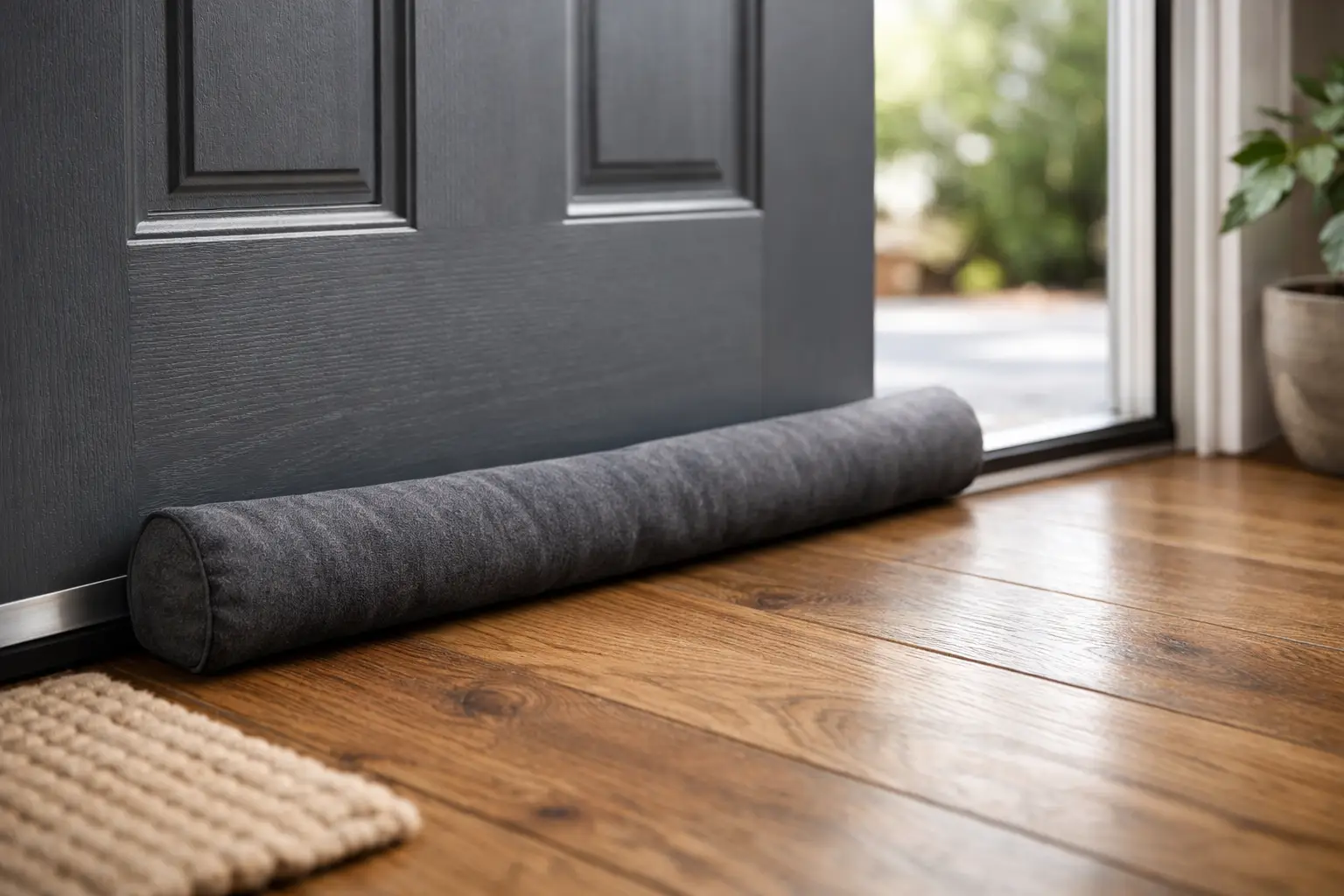
You usually notice the problem before you see it. A cold strip of air across the hallway, a letterbox that rattles, or a front room that never quite warms up even with the heating on. A good draught excluder for front door gaps can sort that quickly, and it is one of the easiest ways to make your home feel warmer, quieter and less wasteful.
Front doors take a lot of punishment in UK homes. They open and close all day, deal with rain and wind, and often have small gaps around the bottom or frame that let cold air creep in. Those little gaps may not look like much, but they can make a room feel uncomfortable and push your heating to work harder than it needs to.
Most front door draughts come from a few familiar places. The bottom edge is the biggest culprit, especially if the threshold is slightly uneven or the door has shifted over time. Gaps around the sides and top can also cause trouble, particularly with older timber doors that expand and shrink with the weather.
Then there are the smaller weak spots. Letterboxes, keyholes and worn seals all let air through. If your hallway feels chilly even when the door looks shut properly, the issue is often a combination of several small gaps rather than one obvious opening.
This is why a quick fix does not always mean the same fix for every home. The best option depends on where the draught is coming from, how large the gap is, and whether you own the property or need something tenant-friendly.
A draught excluder sounds simple, but there are a few types and they do slightly different jobs. Picking the right one saves hassle and gives better results.
These are the most common choice because the bottom of the door is often where the cold gets in. You can get fabric sausage-style excluders that sit against the door, brush strips that attach to the bottom edge, or rubber and foam seals that create a tighter barrier.
A freestanding fabric excluder is easy and affordable. It suits people who want a quick solution with no tools, and it is handy in rented homes where you may not want to fit anything permanent. The trade-off is that it can shift out of place, and you need to move it when opening the door.
Brush and rubber door sweeps are better if you want a more fixed solution. They stay attached, work every time the door closes, and can help with dust and noise as well as cold air. The key is getting the height right. Too high and the draught still comes in. Too low and the door drags.
If the air is coming through the sides or top, a bottom excluder will only solve part of the problem. Self-adhesive foam or rubber weatherstripping is often the answer here. It sticks around the frame and compresses when the door closes.
This can make a big difference in older homes, but it depends on the condition of the frame. If paint is flaking or the surface is dusty, the adhesive may not hold well. In that case, you may need to clean and prep the area first or choose a more secure fitted seal.
These are easy to overlook. If your letterbox flap rattles in the wind, it is letting warm air out and cold air in. An internal letterbox cover can help reduce that movement and add another layer between indoors and outdoors. Keyhole covers do the same job on a smaller scale.
They will not fix a large draught on their own, but they are useful as part of a full front-door draught-proofing setup.
A bit of measuring now saves returns and frustration later. Start with the gap size. A narrow, even gap can be sealed with foam or rubber strips, while a larger or uneven one may need a brush strip or a more forgiving bottom sweep.
Think about the door material too. Timber, uPVC and composite doors all behave differently. Timber can shift with the seasons, so a slightly flexible seal often works better. uPVC and composite doors tend to be more consistent, but if there is a draught, it may point to worn seals or alignment issues rather than just a missing excluder.
Also consider how often the door is used. A busy family doorway needs something durable that will cope with constant opening and closing. If the front door opens over carpet, a thick bottom strip may catch. If it opens straight onto a hard threshold, you may have more options.
And be honest about how much DIY you want. Some products are peel-and-stick simple. Others need screws, trimming, and careful fitting. Neither is wrong. It just depends whether you want the fastest fix or a more permanent one.
Warmth is the obvious win, but it is not the only one. A properly sealed front door can also reduce outside noise, stop dust and leaves blowing in, and make the hallway feel less damp and unsettled in bad weather.
That matters more than people sometimes expect. Hallways are often the first part of the home you walk into, and if that space feels cold and draughty, the whole house can feel less comfortable. Sort the door out and the change is immediate. The space feels calmer, cosier and more looked after.
There is also the heating side of things. No draught excluder will perform miracles if insulation is poor elsewhere, but stopping cold air at the front door is a sensible low-cost improvement. It is one of those practical jobs that does not need a full weekend or a huge spend to make a noticeable difference.
One of the biggest mistakes is treating every draught as if it comes from the bottom of the door. People fit a nice new excluder, still feel cold air around the frame, and assume the product does not work. In reality, they have only fixed one part of the issue.
Another common problem is choosing the thickest seal possible. Bigger is not always better. If the seal is too bulky, the door may not shut properly, which can create a new gap somewhere else or strain the latch.
Poor surface prep also catches people out. Adhesive strips need a clean, dry surface to stick well. If you fit them over dust, old paint flakes or moisture, they are likely to peel away sooner than they should.
Finally, some doors have a fitting issue rather than a sealing issue. If the door has dropped, warped or no longer lines up with the frame, an excluder may help a bit but it will not fully solve the problem. In that case, adjusting the hinges or getting the door checked may be the better route.
For many homes, adding a draught excluder is enough to solve the day-to-day annoyance. If the draught is light, localised and clearly coming from a small gap, a well-chosen seal or bottom strip can do the job nicely.
If the cold air is strong, though, or the door visibly moves in the frame, there may be a bigger issue behind it. Worn thresholds, damaged seals, warped timber and poor installation all change what kind of fix will work. There is no point forcing a budget product to solve a structural problem.
That said, not every home needs a complicated answer. Sometimes a simple, affordable product is exactly the right one. That practical middle ground is often where the best value sits – enough to improve comfort without turning a small household annoyance into a major project.
If you want a quick win, start by finding where the air is getting in. Run your hand around the edges of the closed door on a windy day. Check the bottom gap, feel around the frame, and listen for rattling at the letterbox. Once you know the source, choosing the right product becomes much easier.
For a lot of households, a combination works best: a bottom seal for the main draught, weatherstripping around the frame, and a cover for the letterbox if needed. It is a simple upgrade, but it can make the entrance to your home feel far more comfortable.
That is the appeal of practical home fixes. They do not need to be flashy to earn their keep. A well-fitted draught excluder can make the front door feel like it is doing its job properly again, and on a cold British morning, that is a small change you will notice straight away.
