Address
86 Amesbury Road
Manchester M9 6JF United Kingdom
Find the best garden cleaning tools for patios, paths, gutters and garden furniture, with simple tips to choose practical kit that saves time outside.
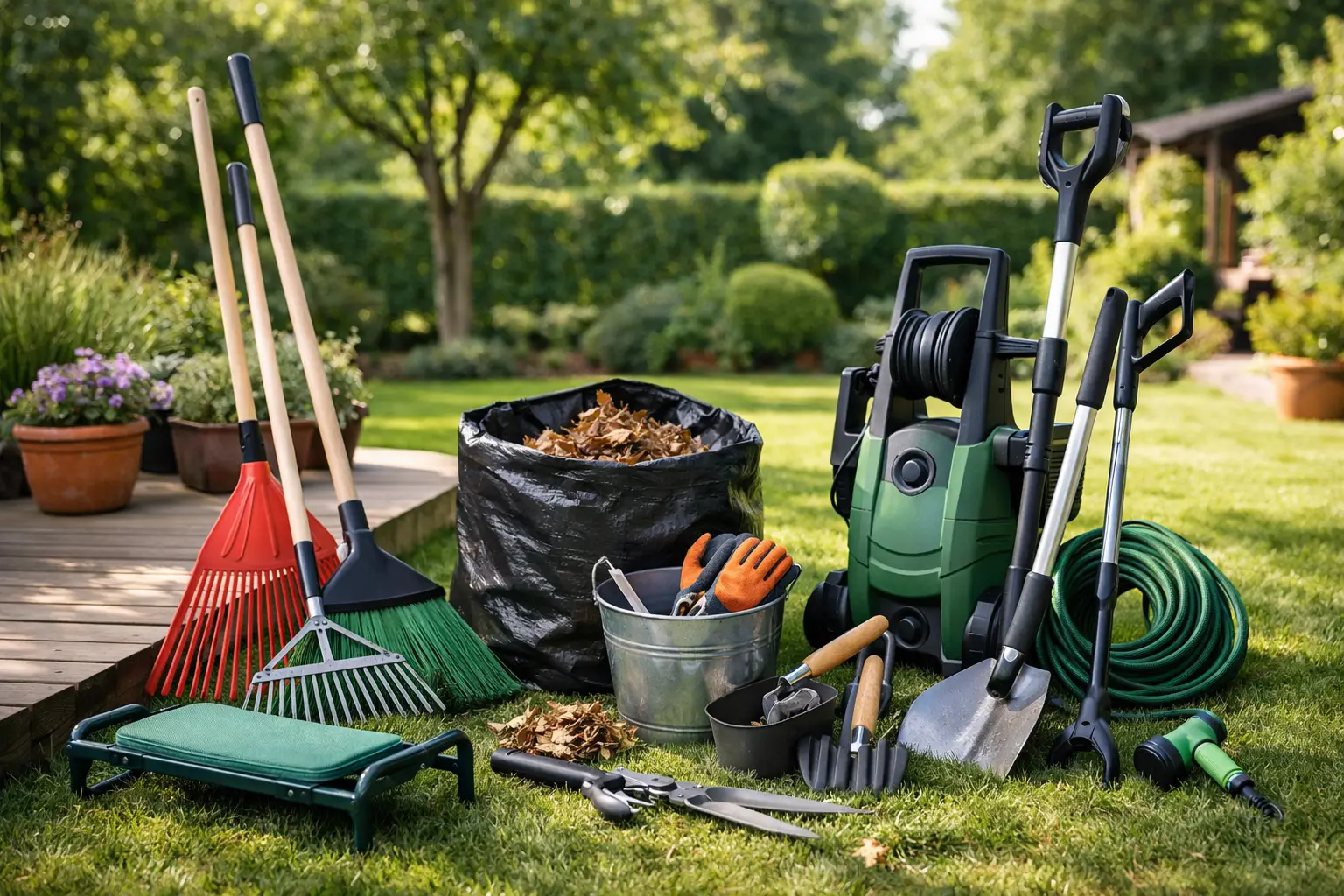
A patio can look tired surprisingly quickly. One wet week is enough for green algae to settle on paving, while dry leaves collect in corners, soil sticks to pots and garden furniture comes out of storage looking less than inviting. The best garden cleaning tools make these regular jobs quicker, safer and far less of a chore – without filling the shed with kit you will barely use.
For most UK gardens, a small set of hardworking tools is more useful than a cupboard full of single-purpose gadgets. The right choice depends on whether you are tackling paving, decking, gutters, grass cuttings or outdoor furniture, as well as the size of your space and how much storage you have.
A good stiff brush is the everyday workhorse. Use it dry to sweep soil, leaves and loose moss from patios, paths and decking, or use it with warm soapy water to scrub pots, fences and plastic furniture. Look for firm synthetic bristles and a comfortable handle that lets you work without bending over constantly.
It is also a sensible first step before reaching for a pressure washer. Sweeping away loose debris means less mess, less wasted water and a clearer view of stains that genuinely need more attention.
A lawn rake is ideal for gathering leaves, grass clippings and light hedge trimmings without damaging the lawn. A wide head covers ground quickly, which matters when the garden is covered after a windy day. Adjustable models can be handy in smaller gardens because they narrow down to reach between beds, pots and fences.
Avoid using a metal rake aggressively on delicate lawns or newly planted borders. For those areas, a gentler leaf rake and a little patience will do a better job.
Once leaves are raked into a pile, garden scoops save repeated trips with a small hand shovel. They are simple, but they make a real difference when clearing borders, loading the compost bin or bagging cuttings. Choose a lightweight pair with a broad opening, particularly if you regularly collect damp leaves that can be heavier than they look.
For a compact patio garden, a sturdy dustpan and brush can do much the same job. It is all about matching the tool to the amount of waste you normally handle.
Weeds and moss between paving slabs can make an otherwise neat garden look neglected. A narrow patio brush with tough bristles reaches into joints more effectively than a standard broom, lifting loose growth before it gets established.
This is one job where regular attention beats a major clear-out. A quick brush every couple of weeks during spring and summer is easier than scraping hardened weeds from every gap later on. If using weed treatment, follow the product instructions and keep pets and children away until the area is safe to use.
For deeply ingrained grime on sturdy paving, brickwork and some garden furniture, a pressure washer can be a brilliant time-saver. It shifts algae, mud and winter build-up quickly, especially on large patios and driveways. Start on a low setting and test a discreet area first.
More pressure is not always better. A powerful jet can damage pointing, lift loose paving material, mark soft stone and strip the surface from timber decking. It can also force water into gaps where it does not belong. Use a suitable attachment, wear footwear with a good grip, and keep the spray well away from windows, electrics, plants and people.
If you only need to freshen up a small balcony or a few paving slabs, a stiff brush and outdoor cleaner may be more practical and better value.
A hose is useful for rinsing away loosened dirt, washing muddy tools and giving outdoor furniture a final clean after scrubbing. An adjustable nozzle is worth having because a gentle shower setting is kinder to plants, while a firmer jet helps rinse patios and bins.
Be mindful of water use, particularly in dry spells or where local restrictions apply. Sweep first, scrub targeted marks and use the hose as the finishing tool rather than washing every surface from scratch. A hose reel also prevents kinks, trip hazards and that familiar tangle by the tap.
It is not glamorous, but a proper bucket keeps outdoor cleaning organised. Use one for warm water and suitable cleaner, then carry your brush, cloths, gloves and smaller hand tools in a caddy or trug. It stops you heading back indoors every five minutes and helps keep household cleaning cloths separate from the ones used on muddy pots and bins.
A flexible trug has another advantage: it can hold weeds, prunings, tools or compost while you work. It is one of those straightforward garden essentials that earns its place all year round.
Garden furniture needs a gentler approach than concrete paving. Microfibre cloths and a non-abrasive sponge are ideal for wiping metal, plastic and glazed surfaces without leaving scratches behind. Mild soapy water is usually enough for everyday grime.
For wooden furniture, use a cleaner suitable for the finish and avoid soaking the wood. Let it dry fully before applying any oil, stain or protective treatment. Clean cushions according to their care label, and store them somewhere dry when wet weather is due.
Blocked gutters can send rainwater down walls, over doorways and onto patios just when you are trying to keep the outside tidy. A gutter scoop makes it easier to remove leaves and sludge from ground level only when using an appropriate long-reach tool, or from a safely positioned ladder for confident users.
Never overreach, work alone at height or rest a ladder on unstable ground. If access is awkward, the building is tall or the guttering is badly blocked, a professional is the sensible option. For routine low-level maintenance, tough waterproof gloves and a scoop are often all that is needed.
Cleaning is easier when there is somewhere for the mess to go. Reusable garden waste bags are handy for leaves and clippings, while a lidded bin keeps lightweight debris from blowing straight back across the patio. Check your local council rules before putting waste out, as collections and accepted materials vary by area.
Composting suitable leaves and plant trimmings can reduce waste and give you useful material for borders later. Do not add diseased plants, invasive weeds or seed-heavy weeds unless you know your composting system gets hot enough to deal with them.
Start with the surface that creates the most work. A home with a large paved area may benefit most from a stiff brush, patio brush and pressure washer. A lawn-heavy garden is better served by a rake, leaf scoops and reusable waste bags. If outdoor furniture is your main concern, put more of the budget towards soft cleaning tools and weatherproof storage.
Think about storage before buying too. Long handles need wall hooks or a corner of the shed, while bulky machines need dry, frost-free space. Cordless tools offer freedom from trailing cables but need charging and may not suit long cleaning sessions. Corded equipment can provide consistent power, although you will need a suitable outdoor socket and safe cable management.
Quality matters most on handles, bristles, connectors and moving parts. A cheap brush that sheds after two uses is no bargain. At the same time, there is no need to buy professional-grade equipment for a small courtyard. Practical, dependable tools that suit your routine are the better choice.
A little regular care prevents the big spring clean from becoming an all-day job. Sweep paths and patios weekly when leaves are falling. Brush weeds from paving joints before they flower. Rinse muddy tools after use, dry metal parts and store them under cover to help prevent rust.
Once a month, wipe down furniture, check the hose and connectors for leaks, and clear debris from around drains. Before winter, give gutters and hard surfaces extra attention, store cushions indoors and make sure tools are clean and dry. These small jobs protect the garden as well as keeping it ready for the next sunny afternoon.
The easiest garden to enjoy is not the one with the most equipment. It is the one where a few useful tools are close to hand, the mess is dealt with before it builds up, and getting outside feels easy peasy rather than another job on the list.
