Address
86 Amesbury Road
Manchester M9 6JF United Kingdom
Shop smarter with home and garden essentials that save time, cut clutter and make everyday jobs easier, indoors and out, all year round.
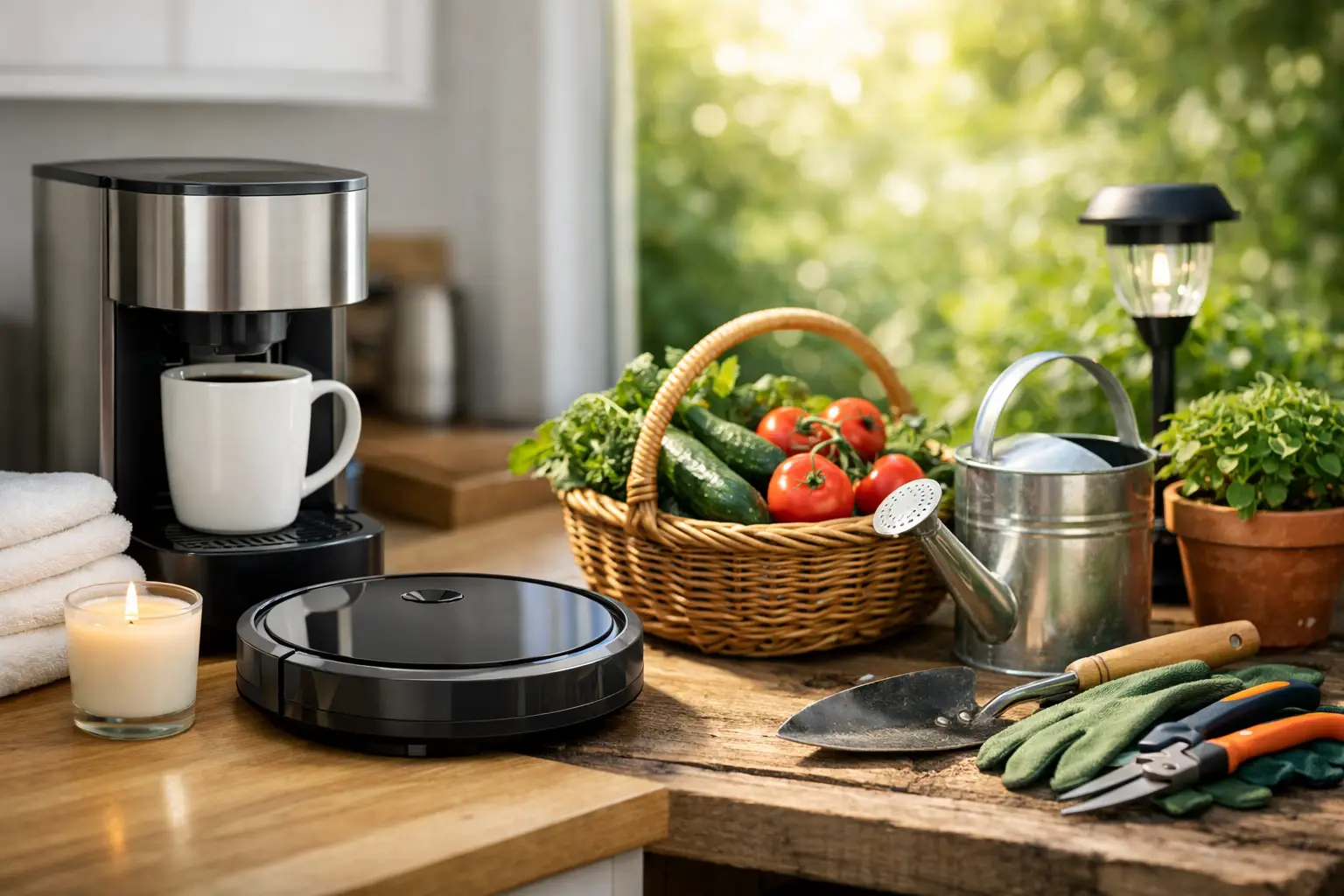
Most homes do not need more stuff. They need the right stuff – the bits you reach for every week, the tools that stop little jobs becoming annoying ones, and the practical extras that quietly make life easier. That is where home and garden essentials really matter. When you choose well, everyday cleaning, storage, upkeep and outdoor jobs feel less like a chore and more like something you can get sorted without a fuss.
The trick is not buying everything at once or chasing clever gadgets that sound useful and end up in a cupboard by next month. A better approach is to focus on products that solve ordinary problems, work across seasons and earn their place in your home. If an item saves time, reduces mess, helps you stay organised or makes a repetitive task simpler, it is probably worth having.
For most UK households, home and garden essentials are the everyday basics that keep things running smoothly indoors and outside. That includes cleaning tools, storage solutions, basic maintenance gear, seasonal garden items and those small practical products that stop your home feeling chaotic.
It will look slightly different depending on how you live. A family home with children may need stronger storage, laundry helpers and easy-clean surfaces. A flat with a small patio may need compact outdoor storage and simple plant care tools rather than heavy-duty garden equipment. If you have a car, a caravan or pets, your version of essential shifts again. The common thread is usefulness. These are not impulse buys. They are the products that support real routines.
If you are building up your basics or replacing tired items, start with the things that solve the most frequent problems. Cleaning comes near the top because it touches every room. A reliable mop, hard-working cloths, brushes for awkward corners, gloves and durable bins or bin liners are not glamorous, but they make the difference between a quick tidy-up and a frustrating one.
Storage is just as important. Good storage does more than hide clutter. It helps you keep useful things where you actually need them. Stackable boxes, under-bed organisers, laundry baskets, shelf helpers and practical hooks can turn wasted space into something useful. The best options are simple, sturdy and easy to move. If storage is awkward to use, people stop using it.
Basic maintenance kit deserves a spot too. A small set of dependable household tools, tapes, fixings, spare bulbs, batteries and protective items like dust sheets can save a lot of last-minute hassle. You do not need a professional workshop in the shed. You just need enough to deal with loose handles, flat-pack touch-ups, hanging jobs and minor repairs without making a special trip out.
Then there is the garden side. Even a modest outdoor space benefits from a few essentials that keep it usable and tidy. Watering equipment, pruning tools, gloves, brushes, weed control basics and weather-ready storage all pull their weight. In British weather, products that can handle damp, mud and stop-start seasons tend to be the smart buy.
It is tempting to go for the lowest price, especially when stocking up on practical goods. Sometimes that works perfectly well. For disposable or very occasional-use items, a budget option may be all you need. But for products used weekly – or daily – poor quality usually shows up fast.
A storage box with flimsy clips, a brush that sheds bristles or outdoor gear that cracks after one cold spell is not really a bargain. It often means buying twice, which costs more in the long run. Better value usually comes from finding that middle ground: affordable products that are sturdy, straightforward and designed for repeated use.
This is where curated shopping helps. When a retailer focuses on useful, everyday problem-solvers rather than novelty for novelty’s sake, it becomes easier to spot products with staying power. That is one reason shoppers like one-stop stores such as EasyPeasyMate.Shop – you can pick up practical household basics, outdoor helpers and seasonal must-haves without hopping between specialist shops.
One of the easiest ways to waste money is buying products designed for a different type of home. A large rotary airer is brilliant if you have the garden for it, not so handy if your outside area is a narrow courtyard. Equally, tiny decorative planters may look nice online but be useless if what you really need is sturdy outdoor storage or tools that can handle regular use.
Before buying, think about the spaces that cause the most friction. Is your hallway always covered in shoes, coats and post? Do your kitchen cupboards feel cramped? Does the shed become a dumping ground by autumn? Start there. The best essentials remove bottlenecks. They make the awkward corner practical, the busy room calmer, or the outdoor area easier to maintain.
It also helps to think seasonally. In spring and summer, garden care, watering and outdoor cleaning move up the list. In autumn and winter, damp control, storage, indoor organisation and maintenance tools become more important. You do not need to overhaul everything every season, but rotating your priorities makes shopping more sensible.
Some product categories earn their place in almost every household because they support multiple tasks. Cleaning and organisation are obvious ones, but utility items often do more than people expect. A decent set of hooks, baskets, caddies and organisers can improve kitchens, bathrooms, utility rooms, garages and sheds in one go.
Outdoor utility matters too. Storage benches, hose accessories, protective covers, yard brushes and general maintenance tools can make a garden or patio easier to enjoy because less time is spent wrestling with mess, weather damage or missing kit. If your garden feels like hard work, it is often not the garden itself – it is the lack of simple systems around it.
Small convenience items also have a habit of becoming favourites. Door mats that actually trap dirt, laundry aids that save space, organisers that stop everyday essentials wandering off, or cleaning accessories that speed up routine jobs may seem minor, but they reduce the little irritations that build up through the week.
A sensible basket starts with routine before aspiration. Buy for the jobs you already do, not the lifestyle you imagine you might suddenly adopt. If you are always tidying, cleaning, sorting laundry, watering plants or fixing bits around the house, put your money there first. Once those basics are covered, then it makes sense to add more specialised products.
It is also worth looking for items with more than one use. Multi-purpose storage, all-round cleaning tools and adaptable garden accessories usually offer better value than highly specific products with only one job. That does not mean every item should be a compromise. Some tasks genuinely need the proper tool. It simply means flexibility tends to pay off in busy homes.
Another smart move is replacing weak points instead of duplicating them. If your pegs snap, your gloves split or your current organisers do not fit the cupboard properly, buying more of the same problem solves nothing. Upgrade the pain point and the whole routine improves.
Finally, do not underestimate the value of keeping core supplies topped up. Many home headaches come from running out of the basics at the wrong moment. A little forward planning with the essentials means fewer emergency shop runs and less wasted time.
There is no perfect list of must-haves for every household, because homes are busy, varied and always changing. What works best is a collection of reliable, practical products that support the way you actually live. The right home and garden essentials are not about filling shelves. They are about making ordinary jobs quicker, spaces calmer and everyday life a bit easier.
If a product helps you clean faster, store better, fix small problems before they grow and enjoy your indoor and outdoor space with less effort, it has done its job properly. Start with what you use most, choose items that can handle real life, and let convenience lead the way.
