Address
86 Amesbury Road
Manchester M9 6JF United Kingdom
A practical household pest prevention guide for UK homes, with simple ways to stop mice, ants, moths and more before they become a bigger hassle.
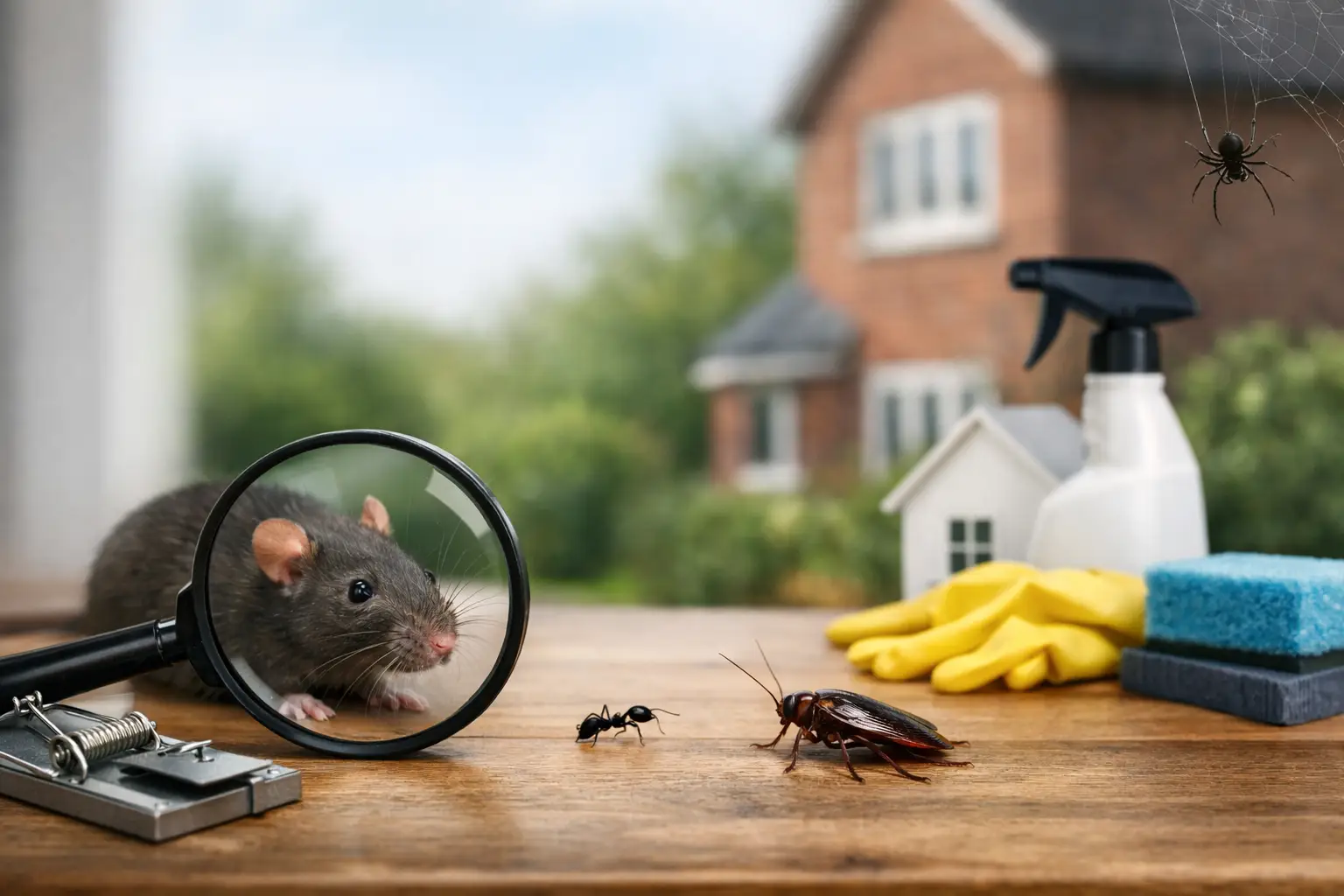
That scratching in the loft, a trail of ants by the back door, or moth holes appearing in your favourite jumper rarely starts as a big problem. Most pest issues begin with one easy-to-miss gap, a forgotten food spill, or a damp corner that stays unchecked. This household pest prevention guide is built for real UK homes and real routines – simple steps that help you stop problems early without turning your week into a full-time cleaning job.
Once pests settle in, getting rid of them can take time, money and patience. Prevention is usually the easier, cheaper option. It also means less damage to food, fabrics, furniture and wiring, which matters whether you own your home or rent it.
That said, prevention is not about making your home spotless every minute of the day. Plenty of tidy homes still get pests. The difference is often in the details – how food is stored, how bins are managed, whether entry points are sealed, and how quickly small warning signs are picked up.
Most household pests are after three basics: food, water and shelter. Take away even one of those, and your home becomes a lot less appealing.
Food is the obvious one, but it is not just open packets in the kitchen. Pet food, crumbs under the toaster, bird seed in the shed and even grease around the hob can all attract unwanted visitors. Water matters just as much. Dripping pipes, condensation, overflowing gutters and damp under sinks create the sort of conditions insects and rodents like. Shelter can be anything from loft insulation and cluttered cupboards to overgrown garden edges near the house.
When you look at prevention through that lens, it gets easier to spot what needs sorting first.
The kitchen is usually the starting point because it offers easy food and warmth. Dry goods are best kept in sealed containers rather than half-open packets rolled over with a clip that has seen better days. Wipe down worktops regularly, but pay extra attention to the forgotten spots – behind the kettle, under the microwave and around the bin area. If you feed pets in the kitchen, avoid leaving food down overnight.
Bathrooms and utility rooms are less about food and more about moisture. Check around baths, showers, washing machines and pipework for leaks or condensation build-up. Even small damp patches can encourage silverfish and other moisture-loving pests. Good ventilation helps, especially in homes where laundry is often dried indoors.
Bedrooms and living areas can attract fabric pests such as clothes moths or carpet beetles. Natural fibres like wool, silk and feather-filled items are more at risk than synthetics. Vacuuming skirting boards, under beds and along carpet edges does more than improve appearances – it removes fibres, skin flakes and debris that pests feed on.
Lofts, garages and sheds are classic hiding places. They are quiet, often dark, and full of stored items. Try to keep belongings off the floor where possible and avoid packing spaces so tightly that you cannot inspect them. Cardboard boxes are handy, but plastic storage with secure lids is usually a better choice if you want fewer hiding spots.
A home does not need a gaping hole to let pests in. Mice can squeeze through surprisingly small gaps, and insects need far less space than that. The usual problem areas are around pipes, air bricks, doors, window frames and damaged vents.
Walk around your home inside and out and look for cracks, gaps and worn seals. Pay attention to the bottom of external doors, especially if you can see daylight underneath. In older properties, small gaps around utility pipes are common and often ignored for years. Sealing these points is one of the most effective jobs in any household pest prevention guide because it tackles the issue before pests get comfortable.
There is a balance here, though. Homes still need ventilation, so do not block purposeful airflow points without using the correct covers or mesh. The goal is to reduce access, not trap damp inside.
A lot of pest control starts beyond the front door. If pests are thriving around the house, there is a better chance they will find a way indoors.
Keep bins closed properly and clean them often enough that smells do not linger. Trim back plants that touch walls or windows, as they create easy routes for insects and shelter close to the house. Clear fallen fruit quickly if you have trees in the garden, and do not leave pet food outside longer than necessary.
Sheds and decking areas are worth checking too. Stacked timber, neglected pots and dense garden clutter can all become safe spots for pests. You do not need a picture-perfect garden. You just need to avoid creating quiet, damp corners right against the house.
Different pests show up at different times of year, so your routine can shift a bit with the seasons.
In spring and summer, ants, flies and wasps tend to become more noticeable. Open windows and doors are part of the reason, so screens and good food hygiene matter more during warmer months. It is also the time to check outdoor areas, especially after periods of rain followed by heat.
Autumn is when rodents start looking for warmth and shelter. This is the season to inspect garages, lofts and exterior gaps carefully. If you only do one big prevention check each year, early autumn is a smart choice.
Winter pest issues are often hidden rather than absent. Mice, rats and moths may stay active indoors, especially where homes are heated and storage areas go undisturbed. A quick check before the Christmas clutter arrives can save hassle later.
You do not need to wait for a full infestation to act. Small clues usually show up first. Droppings, gnaw marks, odd smells, rustling in walls or ceilings, damaged food packaging and increased insect activity around one area all deserve a closer look.
For clothes moths, the damage often appears before the insects do. For rodents, you may hear them at night before you see evidence in daylight. Ants can seem minor at first, but once they establish a reliable food source, the problem can escalate quickly.
If you spot recurring signs in the same place after cleaning and sealing up obvious access points, it may be time to step up your response rather than hoping it sorts itself out.
There is a useful middle ground between relaxed and obsessive. Pest prevention works best when it is built into ordinary household jobs instead of treated as a major project.
That means emptying indoor bins regularly, cleaning under appliances now and then, storing food properly, and checking damp-prone areas before they become a problem. It is not about constant deep cleaning. It is about making the easy changes that remove opportunities for pests.
This is where practical household basics really earn their keep. Storage tubs, bin liners, sealing strips, cleaning tools and moisture-control products are not glamorous purchases, but they can save a lot of hassle later. That is the sort of everyday fix EasyPeasyMate.Shop is all about – simple products that make home upkeep less of a faff.
Sometimes the issue has already moved beyond prevention. If you have repeated sightings, damage that keeps appearing, or signs of nesting, it is sensible to act quickly. The right response depends on the pest, the scale of the issue and who lives in the home.
For example, households with children or pets need to be extra careful with traps, baits or chemical treatments. In rented properties, responsibility can also vary depending on the tenancy and the cause of the problem. And if the infestation is substantial, especially with rats or wasps, professional help is often the quickest route.
Prevention still matters at that stage because treatment without follow-up usually leads to the same problem returning.
A useful household pest prevention guide should fit around normal life. If the advice is too complicated, most people will not stick with it for long. The practical version is better: store food in sealed containers, fix leaks, reduce clutter, seal entry points, keep bins under control and check the less-used corners of the house every so often.
You do not need to do everything at once. Start with the kitchen, then work through damp areas and exterior gaps. Once those basics are covered, your home becomes a much less inviting place for pests to settle.
A few small jobs now are far easier than dealing with a full-blown pest problem later – and that is one home task well worth keeping easy.
