Address
86 Amesbury Road
Manchester M9 6JF United Kingdom
Choose heavy-duty tarpaulin for gardens, cars and caravans. Compare fabric, weight, eyelets and sizing for dependable year-round cover around the home.
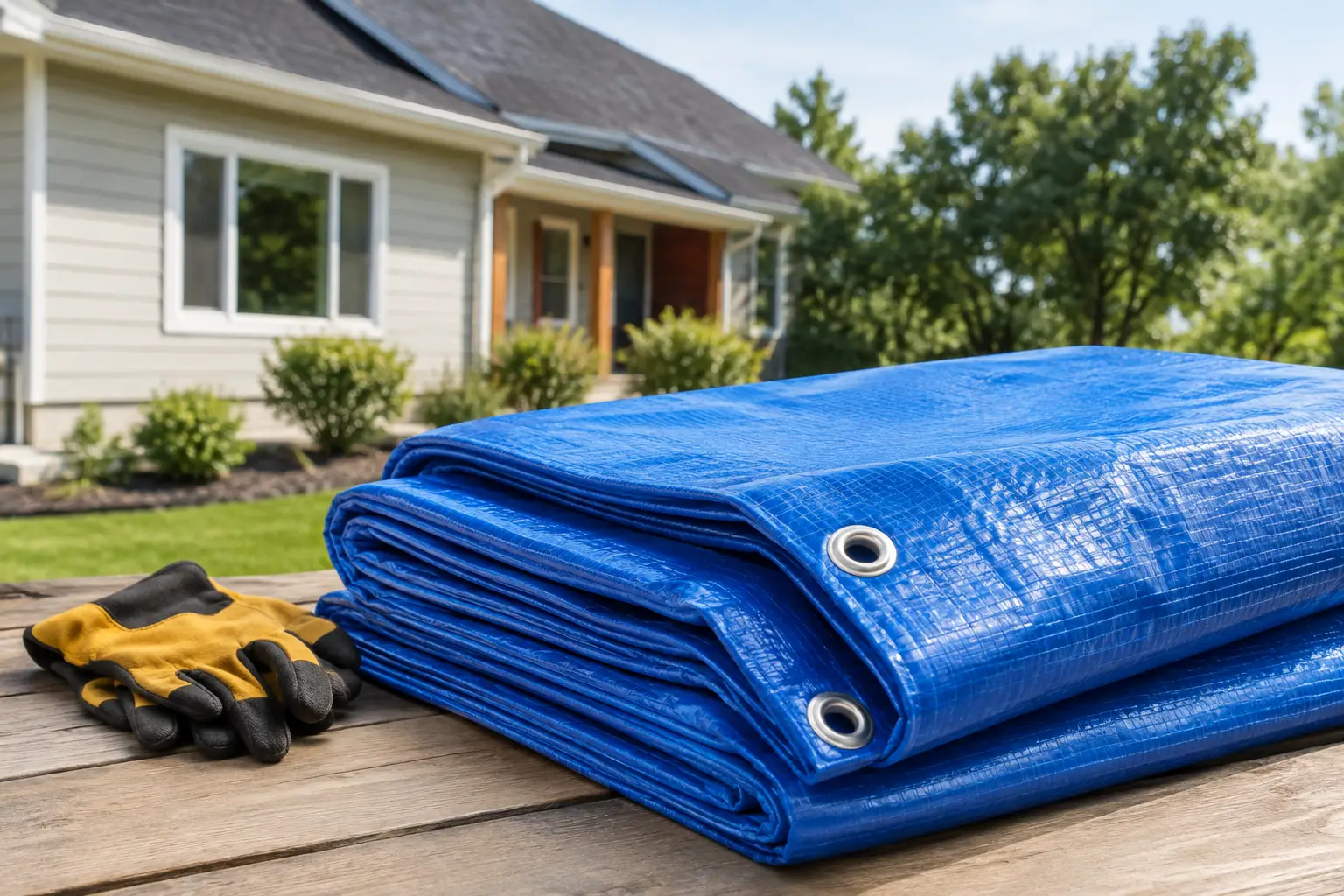
A wet mower, stacked firewood or a caravan sitting through winter can quickly become an expensive problem when the cover gives up. A heavy-duty tarpaulin is a simple bit of kit, but choosing the right one makes a real difference to how well your belongings stay dry, clean and protected.
For most homes, the best tarpaulin is not necessarily the thickest or the cheapest. It needs to suit the job, fit with enough room to secure it properly, and cope with the weather it will face. Here is what to look for before you cover up.
A tarpaulin is a large, flexible sheet designed to shield items from rain, dirt, sun and general outdoor mess. Heavy-duty versions are made for regular use and tougher conditions, rather than being a short-term sheet for a quick DIY job.
The two materials you will see most often are polyethylene, usually called PE, and PVC. PE tarpaulins are lightweight, waterproof and good value, making them a practical choice for garden furniture, log piles, bikes and temporary covers. They are often woven and laminated, which gives them useful tear resistance without being awkward to handle.
PVC tarpaulins tend to be thicker, heavier and more hard-wearing. They are a better fit for repeated use, commercial-style jobs, trailers, boats and equipment that stays outdoors for long periods. The trade-off is cost and weight. A large PVC sheet can be harder to lift, fold and store, so it is worth buying it only where that extra strength is genuinely needed.
You may also find canvas tarpaulins. These are breathable and useful where trapped moisture is a concern, but they are not always fully waterproof unless treated. For covering a vehicle or timber, breathability can matter as much as keeping rain out.
Tarpaulin strength is commonly shown in GSM, meaning grams per square metre. The higher the GSM, the denser and generally tougher the fabric. It is a useful guide, although reinforced corners, weave quality and eyelet strength also matter.
For light, occasional protection, a lower GSM PE sheet may do the job. For garden storage, regular DIY use or a cover that will face wind and rain over several seasons, look for a heavier grade with reinforced edges. If you are covering machinery, a trailer load or a caravan, a substantial PVC option may be the more sensible long-term buy.
Think about how the cover will be used rather than simply choosing the heaviest available. A thick tarpaulin draped over a small bistro set can be more hassle than help. On the other hand, a thin sheet over sharp-edged garden tools may puncture at the first sign of wind.
Measure the item you want to cover, then allow extra material for the sides, overlap and tie-down points. A tarpaulin that only just reaches the edges leaves little room to secure it and is more likely to lift in gusty weather.
For a rectangular object, measure its length, width and height. Add twice the height to both the length and width if you want the sheet to reach near the ground. For example, a 2-metre-long, 1-metre-wide garden bench that is 0.8 metres high needs far more than a 2 x 1 metre sheet if you want full coverage.
Bigger is not always better, though. Too much loose material can collect rainwater, flap in the wind and rub against paintwork. If you are covering a car, motorbike or caravan, avoid letting a loose tarpaulin sit directly against surfaces for long periods. Movement can trap grit and cause scuffs. A fitted, breathable cover is often the safer option for painted vehicles, while a heavy sheet works well for short-term protection or covering stored items nearby.
A good cover can fail at its weakest point, which is often where it is tied down. Look for rust-resistant eyelets spaced around the edge, preferably with reinforced hems and corners. These details help spread the strain when the wind pulls at the sheet.
Eyelets that are too widely spaced can make it difficult to keep a cover taut. Closely spaced eyelets give you more places to fasten bungee cords, rope or straps, especially useful around awkward shapes such as patio furniture, wheelbarrows and stacked materials.
Do not pull a tarpaulin drum-tight across sharp corners. Place an old towel, foam pad or piece of cardboard over rough edges first. This small step helps prevent holes and extends the life of the cover.
A heavy-duty tarpaulin is one of those useful household staples because it can handle lots of different jobs. The key is using it in a way that does not create another problem, such as trapped condensation or a pool of water.
For garden furniture, create a slight slope so rain runs off rather than pooling on top. For firewood, cover the top and sides but leave the front or lower edges open enough for air to circulate. Wood needs to dry, and wrapping it completely can encourage mould.
When covering soil, rubble or garden waste, secure every edge. A partly tied sheet can become a sail in high winds. For DIY painting, decorating or messy repairs, a lighter PE tarpaulin can protect floors and outdoor surfaces, then be wiped clean and folded away afterwards.
Car and caravan owners can use a tarp to protect stored accessories, cover a trailer or shield the ground during maintenance. For the vehicle itself, take care with ventilation and rubbing. If a cover stays on for weeks, moisture and debris beneath it can do more harm than a few showers.
The best tarpaulin in the world will not work well if it is secured with a single bit of string. Use multiple tie-down points and spread the tension evenly around the edges. Bungee cords are handy because they have some give, while ratchet straps offer a firmer hold for larger loads. Rope can work well too, provided it is tied securely and checked regularly.
Avoid fastening a cover to weak fence panels, guttering or lightweight garden furniture. Use solid anchor points, such as trailer hooks, stakes, sturdy rails or weighted blocks. Make sure there is a route for water to escape and no large dip in the middle where it can build up.
After strong wind, frost or heavy rain, inspect the sheet. Check for stretched eyelets, tears, pooling water and loose fastenings. A two-minute check can stop a cover from tearing loose overnight.
Even a tough sheet benefits from a little care. Brush off leaves, mud and standing water before folding it. If it needs washing, use mild soapy water and a soft brush, then let it dry fully before storage. Folding a wet tarpaulin can lead to mildew and unpleasant smells.
Store it somewhere dry and away from direct sunlight when it is not needed. Keep it off the floor if your shed or garage gets damp, and avoid leaving it creased around sharp tools. Small holes can often be repaired with a suitable tarp repair patch before they become a larger tear.
EasyPeasyMate.Shop makes it simpler to keep practical home, garden and vehicle essentials close to hand, so you can be ready when the weather turns or a job crops up.
A well-chosen tarpaulin earns its place in the shed: measure carefully, secure it properly and give the contents beneath it enough room to breathe. Then, when the next downpour arrives, the cover is already doing its job.
