Address
86 Amesbury Road
Manchester M9 6JF United Kingdom
Learn how to clean window tracks with simple household tools, remove stubborn grime and keep sliding windows running smoothly for longer at home with ease.
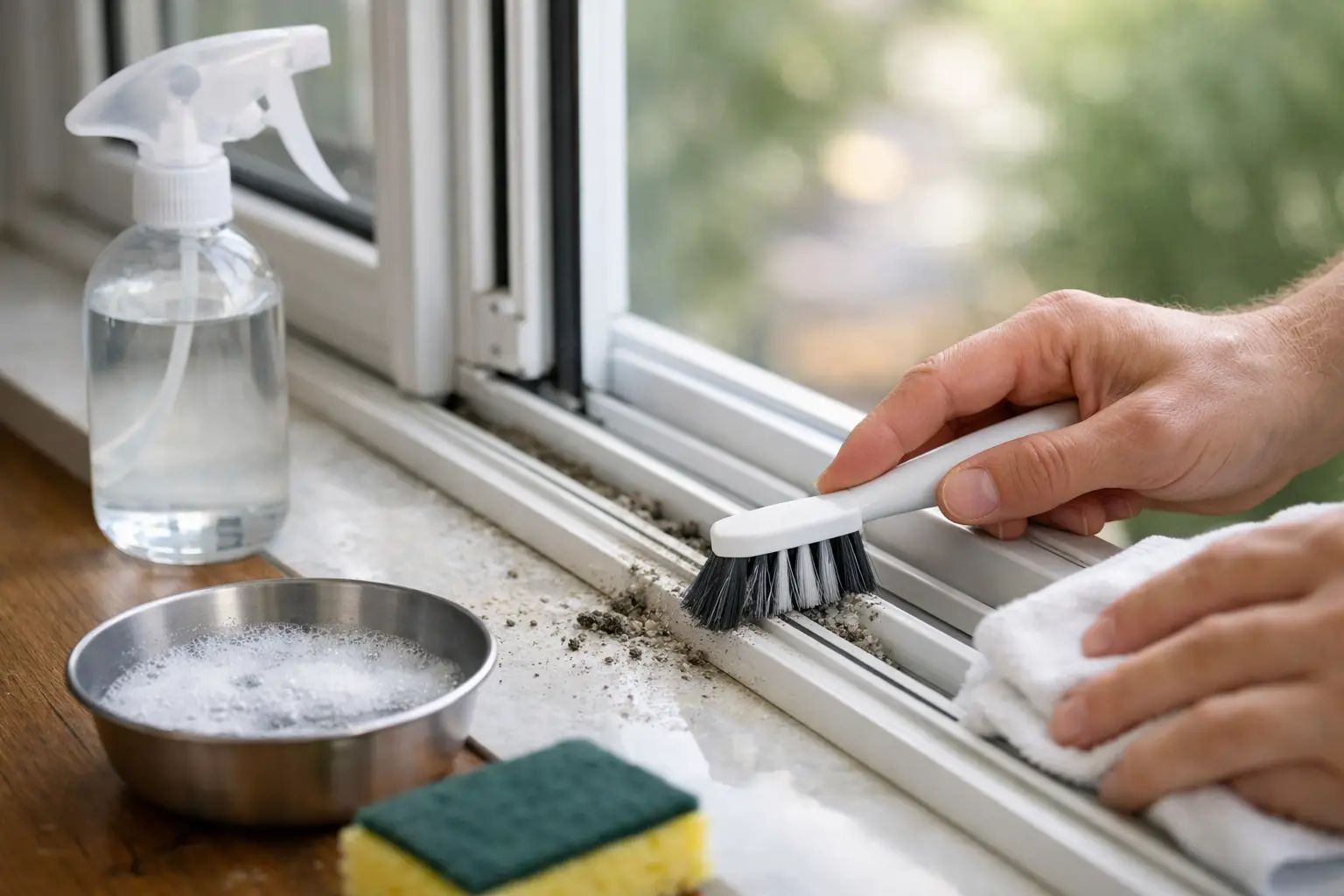
Gritty window tracks have a habit of making an otherwise clean room look neglected. Worse still, that mix of dust, dead insects, pet hair and damp grime can stop a window or patio door from sliding properly. Knowing how to clean window tracks means you can tackle a small but satisfying household job with tools you probably already own.
You do not need harsh chemicals or an afternoon set aside. A vacuum, an old toothbrush, a cloth and a mild cleaning mix will handle most tracks. The key is to remove dry debris first, then loosen the stuck-on dirt instead of turning it into muddy sludge.
Start with a small vacuum cleaner or the crevice attachment on your usual vacuum. A soft brush, old toothbrush, microfibre cloth and a few cotton buds are useful for awkward corners. For the cleaning solution, use warm water with a small squirt of washing-up liquid.
White vinegar can help with water marks and light mildew on uPVC frames, while bicarbonate of soda is handy for stubborn grime. Keep these simple rather than mixing every cleaner under the sink. A mild solution is kinder to seals, painted finishes and metal components.
If the tracks are particularly dirty, gather a small bowl, paper towel or an old towel to protect the sill and floor. A plastic scraper or an old loyalty card can also lift compacted dirt without scratching the surface.
Open the window, sliding door or sash as far as it will comfortably go. Use the vacuum crevice tool to remove dust, soil, loose bits of leaf and insect debris from the whole channel. Work along the corners and around the drainage holes, where dirt often gathers unnoticed.
This dry step matters more than it seems. If you add water before vacuuming, fine dust turns into a paste that is harder to shift and can be pushed into the moving parts.
No vacuum to hand? Use a dry paintbrush or soft toothbrush to sweep debris towards one end of the track, then collect it with a damp piece of kitchen roll. It takes a little longer, but it does the job.
Dip a toothbrush or small cleaning brush into warm, soapy water, then scrub the channels with short strokes. Concentrate on the raised rails, the corners and the areas directly beneath the opening section of the window. These are the spots that collect the most grime.
Use enough solution to loosen dirt, but do not flood the tracks. Window frames have drainage routes designed for rainwater, not a sink full of cleaning water. Too much liquid can leave moisture sitting around seals or run onto plaster, flooring and timber sills.
For greasy marks or ground-in dirt, sprinkle a little bicarbonate of soda along the dry track first. Add a few drops of water or vinegar, allow it to fizz briefly, then scrub gently. Wipe away the residue before it dries hard.
A cotton bud, folded microfibre cloth or the corner of a paper towel is ideal for the narrow sections where a brush cannot reach. Wrap a cloth around a thin wooden spoon handle if you need a little more reach, but avoid sharp metal tools that could damage the frame or seals.
Check drainage holes on uPVC windows and external sliding doors carefully. These small openings let rainwater escape from the frame. If they are blocked with soil or moss, gently clear them with a soft plastic pick, pipe cleaner or a wooden cocktail stick. Do not force anything deep into the hole, as you could dislodge an internal part or compact the blockage further.
Use a clean damp cloth to wipe away loosened dirt and any cleaning residue. Then dry the tracks thoroughly with a separate microfibre cloth or paper towel. Drying is not just for a neat finish. It helps prevent water marks, mildew and new dust sticking straight back onto the surface.
Close and open the window a few times. A sliding window or patio door should feel noticeably smoother once loose grit has been removed. If it still catches, inspect the track for a bent rail, damaged roller, worn seal or a piece of trapped debris rather than simply adding more cleaner.
Most household tracks respond well to the same gentle method, but the material and design make a difference. uPVC is generally low-maintenance and can be cleaned with warm soapy water, while aluminium tracks benefit from being dried well to avoid water spotting. For painted timber frames, use a barely damp cloth and avoid soaking the wood, especially if the paint is cracked or worn.
Sliding patio doors often have deeper channels and more exposure to outdoor dirt. Vacuum them more thoroughly, including the outer track, and check the drainage slots after windy weather or autumn leaf fall. A little routine attention can prevent a door from becoming difficult to move just when you are carrying food out to the garden.
With vertical sliding sash windows, take care around cords, balances and moving mechanisms. Clean the accessible channels without spraying cleaner directly into the sides of the frame. If the window is heavy, stiff or does not stay open safely, the issue may be mechanical and worth checking with a window specialist.
A strong bleach solution may seem like a quick answer to mould, but it can discolour surfaces, affect seals and leave an unpleasant smell in a poorly ventilated room. Abrasive scouring pads can scratch uPVC, aluminium and painted finishes, creating tiny rough areas that hold even more dirt.
Avoid thick oils and general-purpose lubricants in the track itself. They can make a stiff slider feel better for a short while, but they also attract dust and grit. If a sliding window needs lubrication after cleaning, use a small amount of silicone-based dry lubricant that is suitable for window or door tracks. Apply it sparingly and only after the track is clean and dry.
Steam cleaners are another case where it depends. They can lift grime from sturdy uPVC or aluminium tracks, but high heat and moisture may not suit older seals, painted timber or vulnerable finishes. Check the manufacturer guidance first and keep steam away from electrical fittings and damaged frame areas.
For most homes, a proper clean twice a year is enough. Spring is useful for clearing winter condensation marks and debris, while early autumn helps prepare windows and patio doors for wetter weather. Homes near busy roads, the coast, building work or open fields may need attention every two or three months because fine dust and grit build up faster.
A quick vacuum during your regular cleaning routine makes the deeper clean much easier. If you have pets, young children who use the garden often, or a frequently opened kitchen patio door, take a minute to check the tracks every few weeks. It is one of those small jobs that saves effort later.
Cleaning can solve rough movement caused by dust, but it cannot fix every issue. Condensation between panes, crumbling seals, persistent black mould, draughts or a door that has dropped on its rollers may need repair rather than another scrub.
Black mould that returns quickly can point to excess indoor moisture or poor ventilation. Wipe it away using a suitable mould cleaner according to the label, ventilate the room and consider whether extractor fans, trickle vents or everyday habits need attention. Never scrape dry mould aggressively, as this can spread spores around the room.
A clean track makes it easier to spot these problems early. Keep a basic set of brushes, cloths and practical cleaning essentials within reach, and the next time a window starts to drag, the fix may be as easy-peasy as ten minutes of care.
