Address
86 Amesbury Road
Manchester M9 6JF United Kingdom
Learn how to protect garden furniture with simple cleaning, covers, storage and care tips to keep wood, metal and rattan sets looking better longer.
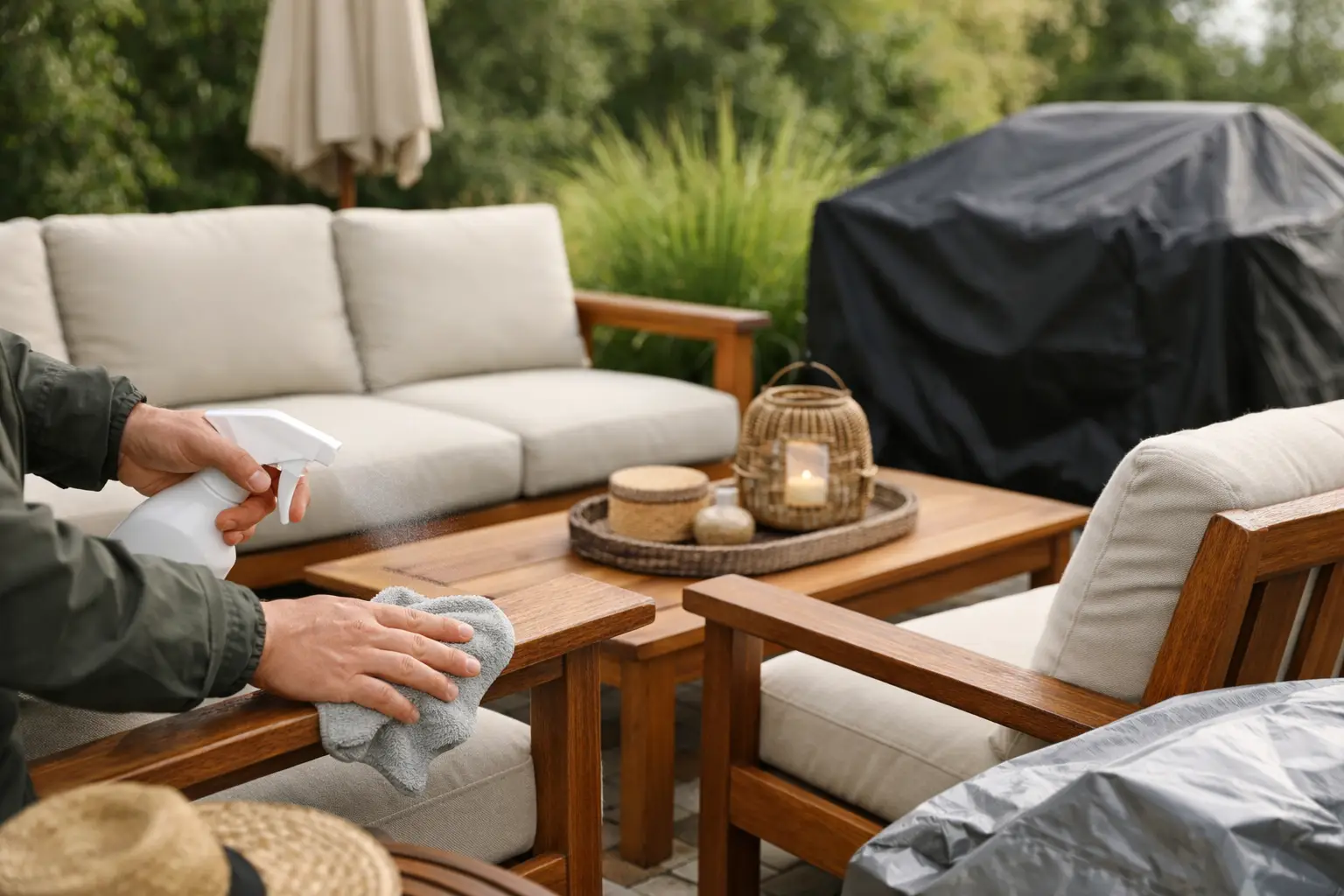
One week of sunshine, one heavy downpour, a gusty night, and suddenly your patio set looks older than it should. If you are wondering how to protect garden furniture without turning it into a big seasonal job, the good news is that a few simple habits make a real difference.
Garden furniture takes a steady beating in the UK. Rain gets into joints, frost weakens finishes, strong sun fades colour, and bird mess can stain faster than most people expect. The trick is not doing one grand fix at the end of summer. It is choosing the right care for the material, keeping moisture under control, and dealing with small problems before they turn into expensive replacements.
Not all outdoor furniture needs the same treatment. That is where many people go wrong. A cover that helps one set can trap moisture on another, and a cleaner that works on metal can be far too harsh for timber.
Wooden furniture usually needs the most regular care. It looks great and feels sturdy, but wood is naturally porous. That means rain, damp air and winter frost can all work their way in. Left alone, timber can crack, warp, go rough to the touch or start to look tired and grey.
Metal furniture is often easier to live with day to day, but it is not maintenance-free. Powder-coated and painted finishes can chip, and once water reaches exposed metal, rust follows. Aluminium is more forgiving than steel or iron, though even aluminium can become dull if it is never cleaned.
Rattan and synthetic weave sets are popular because they are low-fuss and easy to style, but they still need protection. Dirt settles into the weave, mould can appear in damp spots, and cheaper materials may become brittle or faded after long exposure to sun and cold.
Plastic furniture is often the budget-friendly option and can last well, but it tends to show grime quickly and may become discoloured or weak if it spends years outside with no care at all.
The simplest answer to how to protect garden furniture is also the one people skip most often – keep it clean. Dirt is not just cosmetic. Leaves trap moisture, pollen sticks to surfaces, and bird droppings can damage finishes if left sitting.
For most furniture, a bucket of warm water, mild soap and a soft cloth or sponge will do the job. Avoid anything too abrasive, especially on painted metal, plastic and synthetic rattan. A soft brush can help get into corners and woven sections without scratching the surface.
Wood needs a gentler touch than many people realise. Soaking it with lots of water is rarely a good idea, particularly if the finish is already wearing thin. Clean it lightly, rinse carefully and allow it to dry fully before putting cushions back or covering it.
Make cleaning part of the season rather than a one-off. A quick wipe every couple of weeks in spring and summer is far easier than tackling months of built-up grime in autumn.
Covers can be brilliant, but they are not magic. A badly fitted cover can flap in the wind, rub the finish, collect water in dips or trap condensation underneath. That is why some people cover their furniture and still find mildew or surface damage when they uncover it.
Choose covers that are breathable and properly sized. Too tight, and they can strain on corners. Too loose, and they let in dirt and rain while catching the wind. If possible, create a little airflow underneath by avoiding a completely sealed wrap.
It also helps to raise the cover slightly so water runs off instead of pooling. Something as simple as positioning chairs neatly or using the table shape to create a slope can help. Before covering furniture, make sure it is dry. Putting a cover over damp surfaces is a fast route to mould, especially during a mild British winter.
Wood benefits most from preventative care. Once a timber set starts splitting or warping badly, there is only so much you can do. That is why treatment matters before obvious damage appears.
A good oil, stain or sealant helps create a barrier against moisture and UV exposure. Which one suits best depends on the wood and the finish you want. Oils tend to keep a natural look but may need reapplying more often. Sealants and stains can offer longer-lasting protection, though they may slightly change the appearance.
Before applying anything, clean the wood and let it dry fully. If the surface is rough, a light sand can improve the result. Always check whether your furniture is hardwood, softwood or already factory-treated, because over-treating can be just as unhelpful as neglect.
If your wooden furniture turns silver-grey, that is not always a sign it is ruined. Some hardwoods weather that way naturally. The real concern is softness, cracking, wobbling joints or signs of rot.
With metal furniture, small chips and scratches matter. They expose the surface underneath, and once rust starts, it tends to spread further than it first appears.
Check frames, legs, welds and arm ends every so often, especially after winter. If you spot rust, deal with it early. Light rust can often be removed with careful sanding or a suitable wire brush, followed by touch-up paint or a protective metal treatment. Leave it too long, and the finish can start lifting around the damaged area.
This is also where storage helps. Even metal furniture that is sold as outdoor-friendly will last longer if it is not left sitting in standing water or on constantly wet ground. Patio slabs are better than bare soil, and little furniture feet or pads can help keep contact points drier.
People often focus on the table and chairs and forget the soft bits. Cushions are usually the first part to look shabby because fabric fades, filling holds moisture, and mildew can take hold quickly.
If your cushions are not specifically designed to stay outside in all weather, bring them in when not in use. A dry storage box, utility room, shed or cupboard is a far better option than leaving them under a cover and hoping for the best.
Even weather-resistant cushions benefit from occasional airing. If they feel even slightly damp, let them dry out fully before storing them away. That one step can save you from musty smells and dark mildew spots later.
If you have space, storing furniture away for the worst of winter is one of the best things you can do. A garage, shed, summerhouse or dry outbuilding gives furniture a break from relentless damp, frost and debris.
That said, storage is not always realistic. Plenty of households do not have room to move a full dining set indoors, and some benches or heavier items are built to stay put. In that case, focus on elevating furniture slightly off wet ground, covering it properly and checking it during winter rather than forgetting about it until spring.
Stackable chairs should be stacked carefully so they do not trap water between surfaces. Folding furniture should be dried before putting it away, because folded joints can hold moisture surprisingly well.
Protection is not only about the off-season. Everyday habits count too. Dragging chairs across rough paving can chip legs and frames. Leaving wet plant pots directly on tables can mark timber and metal. Spilled food and drink, especially acidic mixers or sauces, should be wiped up sooner rather than later.
If your garden gets strong sun, try to think about placement. A parasol or partly shaded spot can reduce fading and overheating, particularly for plastic and rattan-style furniture. In exposed gardens, wind is just as much a problem as rain. Lightweight items may need securing or storing during stormy spells.
This is where practical accessories earn their keep. Covers, storage boxes, furniture pads, cleaning brushes and protective treatments are not glamorous purchases, but they are often what keep a set looking decent for several extra seasons. That is the EasyPeasyMate approach in a nutshell – simple products that make everyday jobs easier.
A lot of outdoor furniture can be brought back with a bit of care. Loose screws, faded timber, grubby weave, worn foot caps and minor rust do not always mean it is time to buy new. Often, a clean, a treatment and one or two replacement parts can give you another year or two.
The exception is structural damage. If legs are badly corroded, wood is rotten through, or joints no longer feel safe, replacement may be the smarter choice. There is no bargain in keeping unsafe furniture going.
If you are choosing new pieces, think ahead. The best furniture for your garden is not always the one that looks nicest on day one. It is the one that suits your space, your weather exposure and the amount of maintenance you are actually willing to do.
A garden set does not need constant fuss to stay in good shape. Clean it now and then, keep moisture under control, store what you can, and match the care to the material. A few small jobs at the right time are usually enough to keep your outdoor space ready for the next patch of sunshine.
