Address
86 Amesbury Road
Manchester M9 6JF United Kingdom
Choose the right leaf grabber for quicker, tidier garden clear-ups. Compare styles, learn safer techniques and keep autumn jobs simple at home this season.
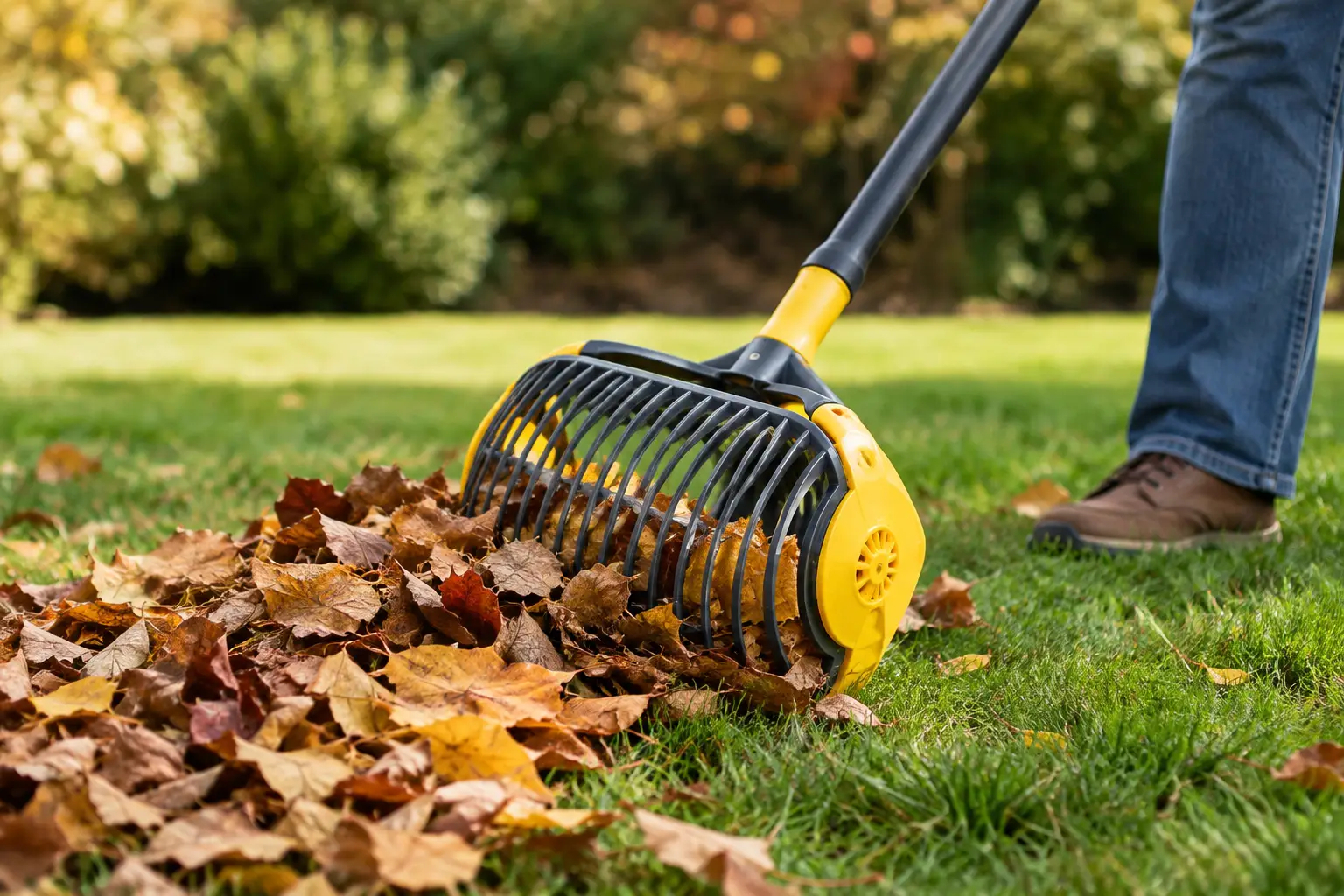
A lawn covered in crisp autumn leaves can look lovely for about five minutes. Then the rain arrives, paths turn slippery, and the job of clearing them suddenly feels much bigger. A leaf grabber is one of those simple garden tools that can make a real difference, helping you shift larger piles without constantly bending, squeezing handfuls into bags, or scattering leaves back across the lawn.
For busy households, it is a practical way to keep patios, driveways and grass clear with less fuss. The right style depends on the size of your garden, the type of leaves you deal with and whether you want a tool for quick weekly tidying or a full autumn clear-up.
A leaf grabber is a hand-held garden tool designed to pick up piles of leaves, grass cuttings and light garden debris. Most come as a pair of wide, scoop-shaped paddles with handles. You wear or hold one in each hand, gather the pile from either side, then lift it straight into a garden waste bag, wheelbarrow or compost bin.
Think of it as making your hands much bigger, while keeping them clean and protected. Instead of picking up small bundles over and over, you can move a generous load in one go. That matters when you have a large lawn, a long drive, or several mature trees dropping leaves over a few weeks.
Leaf grabbers work best after raking or blowing debris into manageable piles. They are not intended to replace a rake completely. Their real value is in the collection stage, which is often the slowest and most back-straining part of the job.
The main benefit is simple: fewer trips from the ground to the garden bag. Wide scoops can hold far more than a pair of gloves, so clearing up becomes quicker and more controlled. It also means less contact with damp leaves, mud and whatever else might be hiding beneath the pile.
There is a comfort benefit too. Repeatedly bending to pick up loose leaves can make a short job feel hard on your back and knees. A leaf grabber will not remove all bending, especially when the pile is low, but it allows you to gather more each time. Used with sensible technique, that can make a noticeable difference by the end of the afternoon.
It is useful beyond autumn as well. After mowing, the same tool can help collect dry grass clippings for composting. It can shift light hedge trimmings, pine needles and loose plant debris from borders. For families, it can even make garden tidy-ups less of a chore, as older children can help gather leaves without needing sharp or powered equipment.
Not every model is the same, and the cheapest option is not always the best value if it is uncomfortable to use or cracks after a season. Look first at the scoop size. Larger paddles collect more leaves at once, making them a good choice for broad lawns and heavy autumn fall. Smaller scoops can be easier to control in narrow side passages, around pots or on compact patios.
Material matters. Lightweight plastic leaf grabbers are popular because they are easy to carry and usually simple to rinse clean. A thicker, more rigid plastic tends to cope better with regular use and damp debris. If you expect to use the tool for hedge cuttings as well as leaves, choose a sturdy design rather than a very thin, flexible pair.
Handles should feel secure in the hand. Some grabbers have moulded grips or shaped hand openings that make it easier to hold a full load. This is a small detail, but it becomes important after twenty trips to the compost bin. If possible, consider whether the tool looks comfortable with gardening gloves on, not just bare hands.
The edge shape is another useful feature. A broad, slightly curved lip helps the scoops slide under leaves without leaving a frustrating layer behind. Pointed or toothed edges can be handy on grass, where leaves catch between blades, but a smoother edge may be kinder to delicate lawns and easier to use on paving.
For dry leaves on a patio or drive, almost any well-made pair of scoops will do the job neatly. On a lawn, wider grabbers with a shaped edge can lift more from the grass. For wet, compacted leaves, work in smaller loads. Trying to lift too much is awkward and may pull the pile apart before it reaches the bag.
If your garden has lots of steps, tight corners or raised beds, a smaller leaf grabber may be more practical than an oversized pair. Bigger is not always better when you need control. The most useful tool is the one you will happily reach for each weekend.
Start by choosing a dry spell where you can. Dry leaves are lighter, easier to rake and less likely to stick inside the scoops. Wet leaves still need clearing from paths for safety, but they are heavier and are best picked up in smaller portions.
Rake leaves into piles that are wide rather than tall. A tall heap looks satisfying, but it can collapse as soon as you bring the grabbers together. Low, loose piles are easier to scoop from both sides, especially on grass.
Stand with your feet apart for balance, bend your knees slightly and keep your back as straight as you comfortably can. Slide the scoops beneath the pile, bring them together and lift the load close to your body. Turn with your feet rather than twisting at the waist, then tip the leaves into the bag or bin. This is particularly helpful if you are dealing with several bags’ worth of debris.
For an easier transfer, fold the top of a garden waste bag over its rim so it stays open. Alternatively, use a wheelbarrow for large clear-ups, then move the full load once rather than carrying bags back and forth across the garden. It is a simple change that saves time when leaves are falling quickly.
Not every leaf pile needs to go into the council garden waste bin. Healthy fallen leaves can become useful leaf mould, a crumbly soil conditioner that helps retain moisture and improves the structure of beds and borders. Keep them separate from diseased leaves where possible, particularly if you have noticed black spot, mildew or other plant problems.
To make leaf mould, place leaves in a breathable sack or a simple wire enclosure, add a little moisture if they are very dry, and leave them to break down. Shredded leaves decompose faster, but whole leaves will still rot down with time. Be patient: this is a slow garden job, though the result is worth having for spring planting.
You can also use dry leaves as a light mulch around established shrubs, provided they are not packed thickly against stems. Avoid leaving layers on paths, decking or lawns. On hard surfaces they can become slippery, and on grass they block light and trap moisture, which can lead to yellow patches.
A leaf grabber needs very little maintenance. Brush off any debris after use, rinse away mud when needed and let it dry before putting it in the shed. Keeping the pair together prevents the familiar problem of finding one scoop but not the other when the next blustery weekend arrives.
Do not use leaf grabbers for heavy branches, stones, sharp thorny cuttings or large quantities of wet soil. They are built for lightweight material, and forcing them under heavy debris can crack the edges or strain the handles. For brambles and prickly cuttings, use tougher gloves and a purpose-made garden fork or rake instead.
It also helps not to wait until every leaf has fallen. A quick ten-minute sweep once or twice a week is easier than tackling a sodden carpet of leaves in late November. Keep the grabber near your rake and garden bags so the tools are ready when the weather gives you a dry window.
A good leaf grabber will not make autumn disappear, but it can turn a messy, repetitive task into a quick bit of fresh-air exercise. Keep the piles manageable, clear slippery areas first, and give those fallen leaves a useful second life wherever you can.
