Address
86 Amesbury Road
Manchester M9 6JF United Kingdom
Seasonal garden care trends are shifting towards simpler, smarter upkeep. See what matters each season for a tidier, healthier garden.
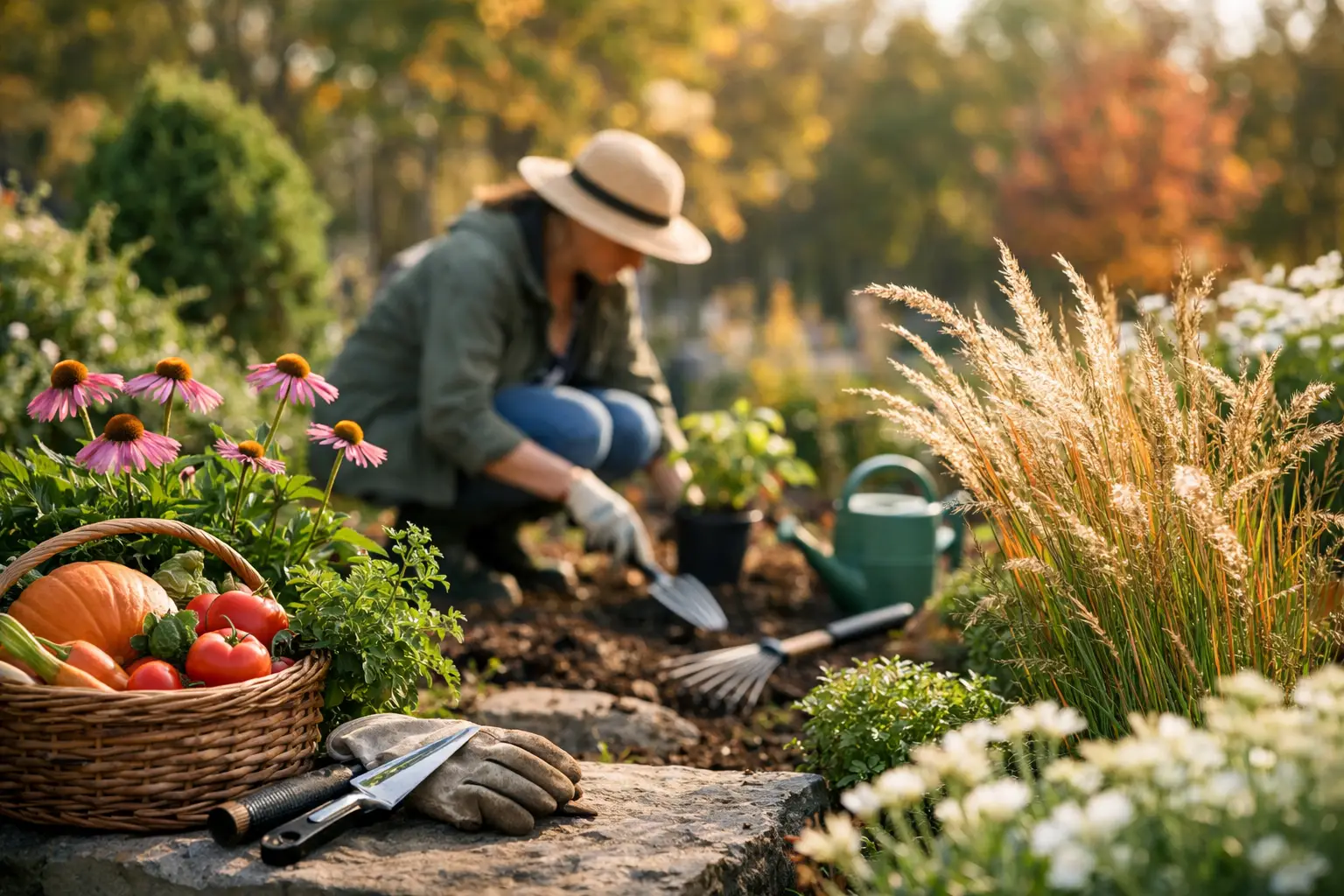
A garden usually tells you what it needs long before it looks neglected. The lawn loses its bounce, pots dry out faster than expected, weeds creep in around the edges, and suddenly a quick tidy-up turns into a full weekend job. That is why seasonal garden care trends matter so much right now. More UK households are moving away from big, once-a-year garden overhauls and towards smaller, smarter jobs that keep outdoor spaces easier to manage all year.
The big shift is practical. People still want a garden that looks good, but they also want one that fits around work, family life and the British weather. That means less fuss, less waste and more products and routines that genuinely save time. If you are planning ahead, it helps to know which trends are actually useful and which ones are just passing garden-centre hype.
A few things are shaping how people care for their gardens. The first is weather. UK seasons feel less predictable than they used to, with dry spells, sudden heavy rain and milder winters all affecting how gardens perform. Old routines still have value, but many gardeners are adapting them rather than sticking rigidly to a calendar.
The second shift is lifestyle. A lot of households want gardens to do more than one job. The same space might need to be child-friendly, pet-friendly, low maintenance and nice enough for outdoor dining. That naturally pushes seasonal care towards versatility. Products that store neatly, solve everyday problems and work across several tasks are getting more attention for good reason.
There is also a stronger focus on making the garden easier to maintain over time. Instead of reacting to weeds, moss, clutter and damaged furniture when the problem is obvious, people are choosing preventative care. It is not glamorous, but it is often the difference between a garden that feels manageable and one that always seems to be behind schedule.
Spring still sets the tone for the rest of the year, but the trend now is less about doing everything at once and more about getting the basics right first. Gardeners are prioritising soil health, tidy edges and early weed control before spending money on decorative extras.
One noticeable change is the move towards container flexibility. Rather than committing to large planted beds that take constant upkeep, more people are using pots, raised planters and movable growing spaces. It is easier to protect young plants from a cold snap, easier to refresh the look of a patio, and easier to manage watering when the weather changes without warning.
Spring cleaning has reached the garden too. Outdoor storage, tool organisation and patio preparation are all becoming part of seasonal care rather than last-minute chores before guests arrive. This makes sense. A tidy shed or storage box saves time every week, not just once. If gloves, hand tools, seed trays and watering kit are easy to reach, routine jobs feel far less of a hassle.
Another spring trend is choosing sturdier basics over novelty buys. People are becoming more selective, especially when budgets are tight. Instead of buying lots of small decorative items, they are investing in practical essentials such as reliable watering gear, protective covers, weed-control solutions and tools that can handle repeated use.
The low-fuss approach works well, but it does mean being realistic. If you want a highly styled garden packed with demanding planting, spring will still be busy. The trend towards simpler care is helpful, but only if the garden design matches the time you can actually give it.
Summer used to be the season when the hard work paid off. Now, for many households, it is also when maintenance problems show up fastest. Heat, water stress and heavy garden use can quickly make outdoor spaces look tired.
One of the clearest seasonal garden care trends in summer is smarter watering. People are paying more attention to timing, drainage and water retention rather than just watering more often. Deep watering early in the morning tends to be more effective than light evening watering, and mulching is becoming more common because it helps hold moisture in the soil and cuts down repeat work.
There is also more interest in zoning the garden by effort level. In simple terms, that means keeping high-maintenance plants where you will notice them and placing tougher, lower-maintenance planting in harder-to-reach spots. It is a practical way to reduce wasted effort. The plants near the seating area or back door get more attention, while boundary areas are designed to cope with less fuss.
Outdoor living is a big part of summer care now too. Cleaning patio furniture, protecting barbecue areas, sweeping paths and keeping storage dry all count as garden maintenance because they affect how usable the space feels. A garden can be healthy but still feel untidy if cushions are damp, tools are scattered and the patio is coated in grime.
Pest management is becoming more measured as well. Rather than reacting late with harsher treatments, more gardeners are watching for early signs of trouble and using targeted solutions. That approach is usually better for plants, easier on the budget and less disruptive overall.
Autumn has become one of the most useful seasons for practical garden care. Instead of seeing it as the winding-down period, more homeowners are using it to reduce problems before winter arrives.
Leaf management is a good example. Clearing leaves from lawns, drains and patios used to be treated as a cosmetic task. Now it is more about preventing slippery surfaces, blocked drainage and soggy patches that lead to extra work later. The same goes for trimming back tired growth, checking fences, and storing summer items before damp weather gets the better of them.
Lawn care in autumn is also becoming more balanced. People are less likely to chase a perfect lawn at all costs and more likely to focus on repair, aeration and moss control where needed. That is often the smarter route. A lawn does not need to look picture-perfect in October to recover well in spring.
Autumn is also when storage really earns its place. Cushions, tools, planters, watering accessories and children’s outdoor bits all last better when packed away properly. It sounds obvious, but good storage saves money because fewer items need replacing after winter.
If time is short, focus on anything that prevents damage. Clear drainage points, protect furniture, store what can be stored, and deal with obvious plant debris. The garden does not need to be spotless. It just needs to be set up to cope with cold, wet weather without creating a bigger job for later.
Winter garden care used to be fairly minimal in many homes, but that is changing. Milder spells mean there are more chances to tackle light maintenance, and many people are using winter to stay on top of practical jobs that make spring easier.
This includes cleaning tools, checking outdoor lighting, repairing storage, covering vulnerable items and planning simple improvements. Raised beds, edging, compost areas and basic organisation jobs are often easier to sort in winter because plant growth is slower and the garden’s structure is easier to see.
Another winter trend is protection rather than perfection. Nobody expects the garden to look its best in January, but taking a few sensible steps can prevent damage from frost, standing water and wind. Covers, mats, secure fixings and weather-ready storage all make a difference.
There is a money-saving angle here too. Spreading garden care across the colder months can stop spring spending from piling up all at once. For households trying to keep things affordable, that matters.
Across every season, the strongest trend is simple: people want gardens that are pleasant to use and realistic to maintain. That is why low-maintenance planting, multi-use products, stackable storage, durable tools and easy-clean outdoor accessories are gaining ground. They suit real homes and real routines.
It does not mean giving up on personality or style. It just means choosing garden care that works with everyday life instead of fighting it. A family garden, a compact patio and a larger lawned space will all need different approaches, but the principle is the same. If a product or routine saves time, reduces repeat jobs and helps the garden stay usable through changing weather, it is worth considering.
At EasyPeasyMate, that practical approach makes the most sense because good garden care is rarely about doing more. It is about doing the right jobs at the right time, with less hassle.
The best seasonal routines are the ones you will actually keep up with, so if you make one change this year, make it easier on yourself first.
