Address
86 Amesbury Road
Manchester M9 6JF United Kingdom
Soft bristle vs firm brush: learn which cleaning brush suits tiles, pans, shoes, cars and garden jobs, so you can clean well without damaging surfaces.
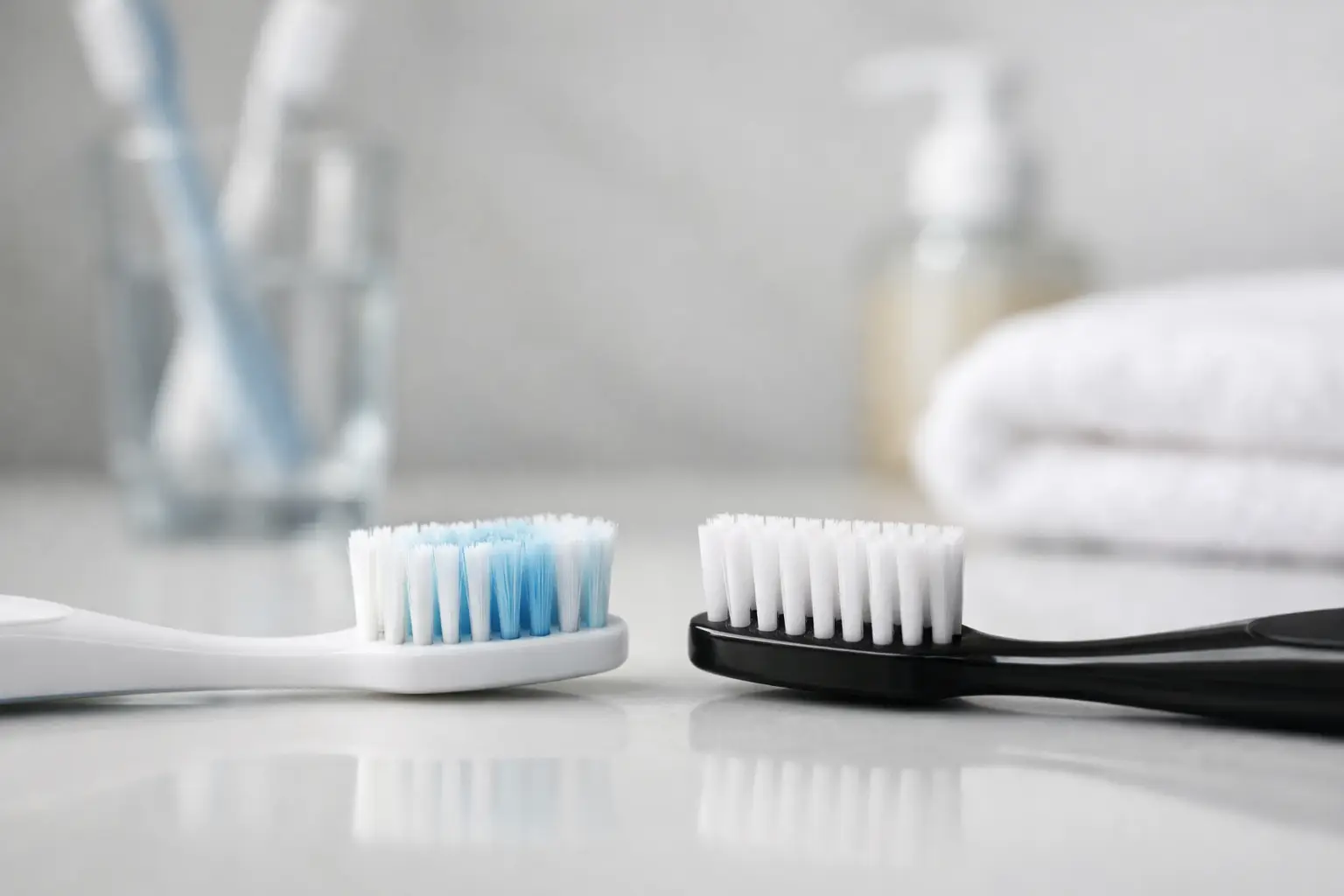
That grubby grout line, muddy wellies or baked-on roasting tin can make one brush look very much like another. It is not. In the soft bristle vs firm brush choice, the best option comes down to the surface, the dirt and how much pressure the job can take. Pick well and cleaning is quicker. Pick the wrong one and you may leave marks, fluff up the brush or simply spend longer scrubbing than necessary.
For everyday jobs around the home, garden, car and caravan, it pays to keep more than one type of brush to hand. A soft brush protects finishes and lifts loose dirt; a firm brush brings more scrubbing power when the surface is tough enough for it. Here is how to make the easy choice each time.
A soft-bristle brush has flexible fibres that bend readily under light pressure. Rather than scraping at a surface, its bristles sweep across it, reaching into light texture and carrying away dust, crumbs, loose soil and everyday grime. They are usually kinder to paintwork, coatings, fabrics and polished surfaces.
A firm brush has stiffer, thicker bristles that hold their shape as you scrub. That extra resistance helps dislodge dried mud, ingrained dirt and residue that will not shift with a wipe. It is the workhorse for hard-wearing surfaces, but it needs a little more care. Used too firmly on a delicate finish, it can create dull patches, scuffs or fine scratches.
The important point is that firm does not always mean better cleaning. A brush works best when its bristles match the job. More force is useful for patio slabs, for example, but it is not the answer for a glossy car panel or a non-stick pan.
Choose soft bristles where protection matters as much as cleanliness. They are a sensible starting point for surfaces you would rather not risk scratching, especially if you are not sure how tough the finish is.
Soft brushes are well suited to exterior vehicle cleaning when used with plenty of water and a suitable wash solution. They help lift road film and dust from bodywork, windows, wheel trims and caravan sides without the harsh dragging action of a stiff brush. Rinse first to remove grit – otherwise even soft bristles can move tiny abrasive particles across the surface.
For wheels, use a separate brush from the one used on paintwork. Brake dust and grit do not belong anywhere near your car’s finish.
Use a soft brush for window frames, painted doors, skirting boards, blinds, lampshades and textured wallpaper that can tolerate a very light clean. In the kitchen, a soft washing-up brush is often ideal for glasses, mugs, plates and non-stick cookware. It can also get into the corners of food containers without attacking the surface.
Soft bristles are useful for dusting garden furniture, cleaning plastic storage boxes and freshening trainers. For fabrics or upholstery, always test an inconspicuous patch first and brush gently in one direction. The goal is to lift surface dirt, not work it further into the fibres.
There is no need to reach for the toughest tool when the dirt has not had time to set. A soft brush, warm water and a mild cleaner will deal with plenty of regular household tasks. Regular light cleaning also stops grime becoming a firm-brush job later on, which is good news for both your surfaces and your Saturday afternoon.
Firm bristles come into their own on durable, textured materials. Think outdoor spaces, utility areas and objects designed to cope with rough treatment. The brush can push into grooves and give you enough friction to break up dirt that has dried on.
A firm scrubbing brush is a practical choice for patio slabs, paving, brickwork, concrete, garage floors and sturdy doormats. It is also handy for cleaning muddy boots, garden tools, plastic plant pots and the outside of wheelie bins. Pair it with warm water and the right cleaning product, allow it a few minutes to work where appropriate, then scrub. Soaking first is often easier than trying to solve every problem with elbow grease.
In the kitchen, reserve firm brushes for hard-wearing items such as stainless-steel sinks, oven racks, barbecue grates and roasting tins without a non-stick coating. Check the manufacturer’s care guidance if you are unsure. A tough brush can make light work of stuck-on residue, but it is not a safe match for enamel, polished metal, coated pans or glossy ceramic finishes.
For bathrooms, firm bristles can help with textured shower trays, tiled floors and grout, provided the tiles and grout are sound. Avoid aggressive brushing on chipped surfaces or damaged sealant, where you could make a small problem worse.
It is tempting to judge only by how dirty something looks. A muddy bike and a muddy patio may need very different brushes, though. The bike may have painted parts, seals and moving components that benefit from a gentler approach, while the patio can tolerate a proper scrub.
As a quick rule, start soft on smooth, coated, painted, shiny or easily scratched surfaces. Go firmer on rough, uncoated, outdoor or heavy-duty materials. If a surface is somewhere in between, test a hidden spot with light pressure before committing to the whole job.
There is also a middle ground. Medium-stiff bristles are useful for general-purpose cleaning, such as sinks, plastic furniture or tough footwear. If you only want one all-rounder, this can be a sensible compromise. Still, a soft brush and a firm brush together will cover more jobs properly and reduce the chance of damage.
The label may say soft or firm, but the bristle material and design affect performance as well. Synthetic bristles are common because they dry quickly, cope well with water and are easy to clean. They are useful for wet jobs in kitchens, bathrooms and outdoors.
Natural fibres can be excellent for dry dusting or specific household tasks, but they may hold moisture longer and need more careful drying. For outdoor scrubbing, look for bristles that are securely anchored and a handle that feels comfortable when wet. A brush that is awkward to grip encourages you to press too hard and tire your hand sooner.
Brush shape is worth considering. A narrow head reaches into grout lines, corners and wheel spokes. A wider deck-style brush is better for large patios or floors. An angled head helps around taps and awkward edges, while a long handle saves your knees when tackling paving or a shower floor. The right shape can matter as much as bristle stiffness.
A good cleaning routine saves effort. First, remove loose debris with a cloth, vacuum or rinse. This prevents grit from turning a gentle brush into a scratching tool. Next, use a cleaner suited to the material and give it time to loosen the dirt. A few minutes of waiting can replace ten minutes of fierce scrubbing.
Work in small sections and use steady, controlled strokes rather than frantic back-and-forth pressure. For grooves and grout, a short circular motion may work best. For paintwork and plastic, straight light passes are safer. Rinse the brush regularly, because trapped dirt reduces its cleaning power and can transfer grime elsewhere.
Once finished, rinse the brush thoroughly, shake out excess water and leave it bristle-side down or hanging where air can circulate. Do not put a damp brush straight into a closed cupboard. It will smell unpleasant and may not last as long. Replace it when the bristles are bent, flattened, shedding or permanently stained with grime that will not rinse out.
The most common mistake is using one brush for everything. A brush used on patios or wheels can hold grit, even after a rinse, so keep it separate from brushes for dishes, worktops or vehicle paintwork. Marking handles with a simple label is an easy way to avoid mix-ups.
Another is using a firm brush on a non-stick pan because food is stuck fast. Soak it first, then use a soft brush or non-scratch sponge. Equally, do not expect a soft brush to rescue years of moss from paving in a few strokes. Use the right cleaner, allow contact time and choose firm bristles for the finish.
Finally, remember that more pressure is not always more effective. If you are leaning hard on the brush, pause and ask whether the dirt needs soaking, a different cleaning product or a more suitable brush head.
A well-chosen brush is one of those small household basics that makes a surprising difference. Keep soft bristles for the surfaces you want to protect, bring out firm bristles for tough outdoor and utility jobs, and let the material decide before the mess does.
