Address
86 Amesbury Road
Manchester M9 6JF United Kingdom
Read our spin mop review for honest advice on performance, trade-offs and the features that make everyday floor cleaning quicker for busy UK homes daily.
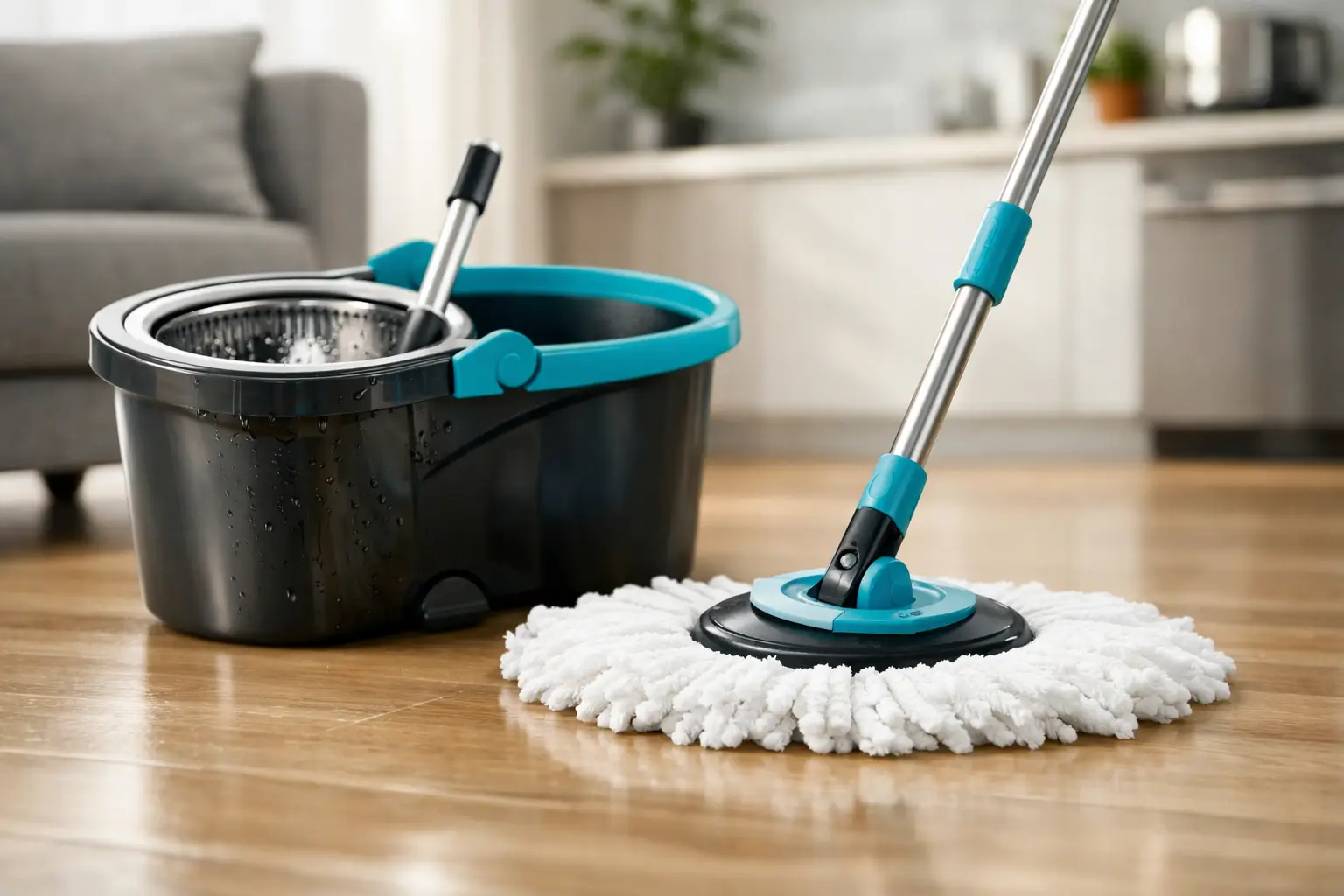
A kitchen floor with muddy paw prints, breakfast crumbs and a splash of tea does not need a complicated cleaning routine. It needs a mop that is ready to use, easy to rinse and dry enough not to leave the room looking like it has just rained indoors. This spin mop review looks at whether the popular bucket-and-spinner design genuinely makes that job easier.
For many homes, it can. A good spin mop takes some of the strain out of wringing, keeps dirty water away from your hands and makes quick clean-ups far less of a faff. But the right choice depends on your floors, your storage space and whether you need a mop for daily spills or a proper weekly clean.
A spin mop uses a microfibre mop head and a bucket with a spinning mechanism. After dipping the mop into water, you place it in the spinner section and press the handle down, or use a foot pedal on some designs. The spinning action removes excess water, so the mop head is damp rather than dripping.
That sounds like a small change, but it has a useful effect on everyday cleaning. You can control how wet the mop is without twisting a sodden head by hand. This is particularly handy for laminate, sealed wood and vinyl floors, where too much water can cause trouble over time.
The microfibre strands also pick up fine dust, hair and everyday grime well. On a smooth floor, a clean, lightly damp head can cover a good area quickly. It is a practical middle ground between a traditional string mop and a flat spray mop.
The spinner itself is the first feature to assess. It should turn freely and remove a noticeable amount of water without needing repeated attempts. If the mechanism feels stiff from the outset or the bucket slides about while you use it, the time-saving benefit soon disappears.
Bucket design matters just as much. A bucket that is too light can tip when full, while a very large one may be awkward to lift, fill or store under the sink. Look for a comfortable handle and, if you regularly carry water through the house, a pouring lip that helps you empty it without splashing the skirting boards.
A separate clean-water and dirty-water compartment is a worthwhile upgrade for larger homes or homes with pets. It means you are not continually dipping the mop back into the same grey water. A single-bucket design is simpler and often better value, but it needs fresh water more often for a genuinely clean finish.
The mop head is another make-or-break detail. A full, dense microfibre head generally holds more dirt and covers more floor with each pass. Replaceable heads are essential. They let you keep the system going rather than binning the whole thing once the fibres become worn or refuse to come clean.
Lastly, check the handle. A telescopic handle should lock firmly at a useful length, not shorten while you are mopping. Stainless steel handles usually feel more solid than very thin plastic ones, although they can add a little weight.
Spin mops are at their best on hard, sealed floors: ceramic tiles, vinyl, laminate, lino and sealed wood. Because you can spin out more water, they are a sensible option for floors that should be cleaned with minimal moisture. They are also useful for fast kitchen and hallway jobs, especially when you do not want to get the vacuum cleaner out first.
They cope well with ordinary household mess – dust, dried footprints, light food spills and pet hair. For a small flat, a compact spin mop can be more convenient than storing a full-size mop and separate bucket. In a busy family home, it is useful for keeping on top of high-traffic areas between deeper cleans.
That said, no mop is magic. Sticky, dried-on marks may need a little cleaner and a few passes, while grooves in textured tiles can require a scrub brush. If the floor is heavily soiled, rinse the mop head often and change the water when it turns murky. Otherwise, you are simply moving dirt around.
The main drawback is storage. A spin mop bucket is bulkier than a flat mop, and the handle and round head can be less tidy to tuck into a narrow cupboard. Measure your available space if you live in a compact home or keep cleaning supplies in a utility cupboard already doing overtime.
There is also a learning curve. Pressing a handle too hard can make the bucket wobble, while spinning too briefly leaves the head wetter than you may want. Most people get the hang of it after a couple of uses, but it is worth knowing that the first clean may not feel quite as quick as the adverts suggest.
Cheaper sets can be a false economy when the pedal, basket or handle feels flimsy. A simple push-spin design often has fewer moving parts, while pedal-operated buckets can feel easier on the hands. Neither is automatically better. Choose the action that feels comfortable for you and consider how often it will be used.
For very small spills, a spray mop may still be faster because there is no bucket to fill. For a whole downstairs floor, though, the spin mop usually wins on cleaning power and comfort.
Start by vacuuming or sweeping loose grit, particularly in the hallway and kitchen. A mop is better at lifting fine dust and grime than dealing with stones, cereal or clumps of pet hair. This one small step also helps protect the microfibre head.
Fill the bucket with warm water and use only a modest amount of suitable floor cleaner. Too much product can leave a tacky film that attracts more dirt. Spin the mop until it is damp, then test it on a small patch of floor. If water is pooling behind the mop, spin it again.
Work from the furthest point of the room towards the door, using overlapping figure-of-eight strokes. Rinse and spin when the head starts to look grey or stops gliding easily. For a larger area, fresh water halfway through can make a real difference.
Afterwards, rinse the mop head thoroughly and let it dry in an airy spot. Do not leave it sitting damp in the bucket, as that is how unpleasant smells start. Wash removable microfibre heads according to their care instructions, usually without fabric conditioner, which can reduce their ability to absorb water.
A spin mop is a strong fit for households with hard floors, pets, children or plenty of daily foot traffic. It is also a helpful choice if hand-wringing is uncomfortable or you simply want a cleaner, less hands-on way to manage the weekly mop.
Choose a compact model if storage is tight, a two-compartment bucket if you clean a lot of floor at once, and a set with spare washable heads if you want better long-term value. The best option is not necessarily the largest or most feature-packed one. It is the one you will happily pull out when the floor needs attention.
A practical cleaning tool should earn its cupboard space. Pick a spin mop with a stable bucket, a dependable spinner and replacement heads, and those everyday floor jobs become one less thing to put off. That is the sort of easier-life essential EasyPeasyMate.Shop is made for.
