Address
86 Amesbury Road
Manchester M9 6JF United Kingdom
Our telescopic cleaning brush review covers reach, scrub power, comfort and value, so you can choose the right brush for home, car and garden jobs.
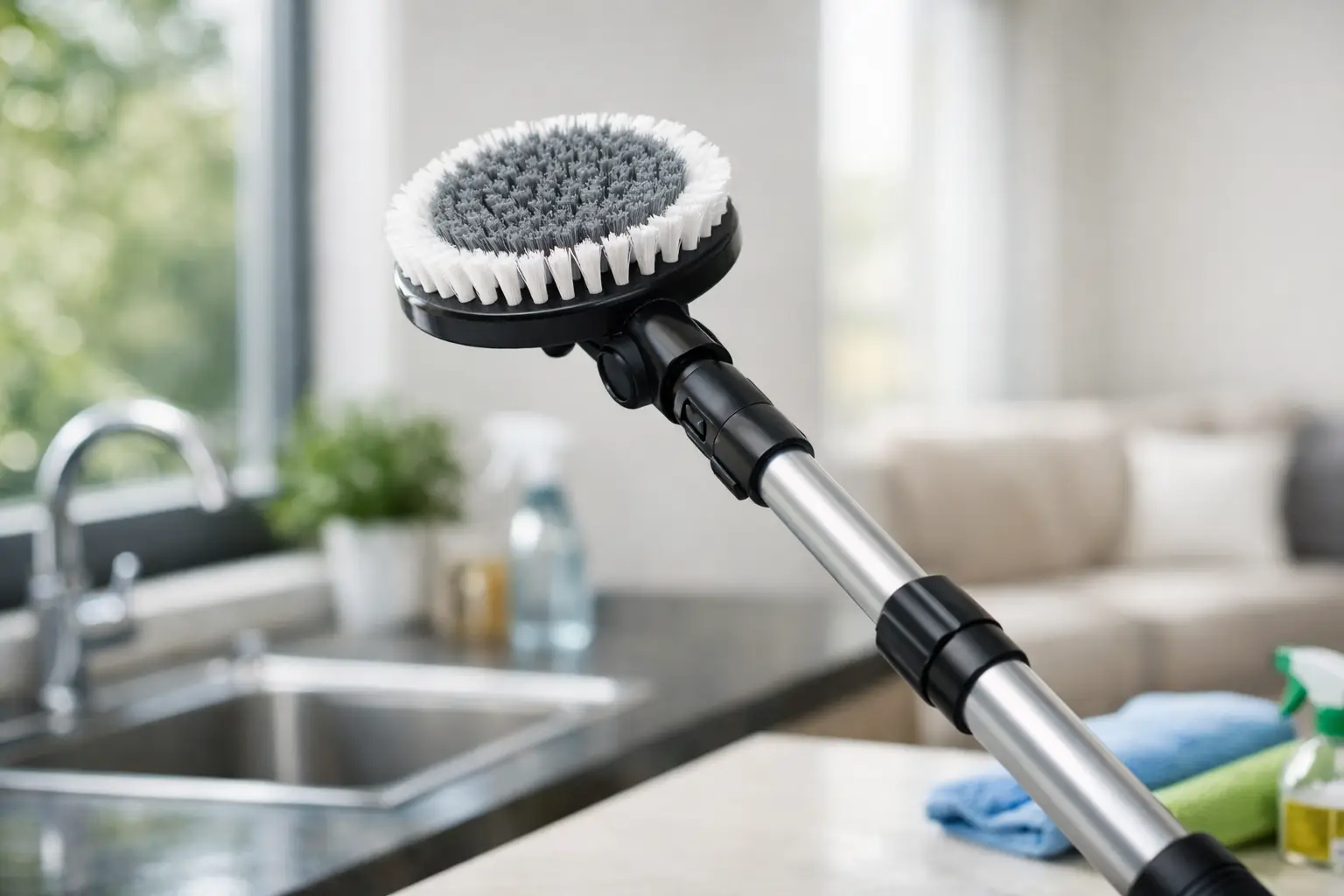
If you have ever stood on tiptoes trying to scrub soffits, conservatory panels or the roof of the car, a telescopic cleaning brush review is not just handy reading – it can save you buying the wrong tool. These brushes promise an easier way to clean awkward spots from the ground, but the real question is simple: do they actually make jobs quicker, safer and less of a faff?
For most households, the answer is yes – with a few catches. A telescopic brush can be brilliant for regular upkeep, especially if you want to avoid ladders for light to medium cleaning. But not every model feels sturdy, not every brush head suits every surface, and the longest handle is not always the best one.
The best way to judge one of these brushes is to ignore the flashy product claims and look at four practical things: reach, stability, bristle type and comfort in the hand. Those points tell you far more than a product photo ever will.
Reach is the obvious selling point. A telescopic handle helps you clean windows, cladding, fencing, caravans and greenhouse panels without stretching awkwardly. That said, extra length brings extra flex. A brush that feels solid at 1.5 metres may wobble badly when fully extended. For smaller homes and standard cars, a medium extension often feels more manageable than an ultra-long pole.
Stability matters just as much. If the locking mechanism slips, the job gets annoying fast. Twist-lock handles can work well if they are made properly, but cheaper versions sometimes loosen during use. Clamp locks often feel more secure, especially when the brush is wet and heavier.
Then there is the brush head. Soft bristles are better for paintwork, glass and other delicate finishes. Stiffer bristles are useful for patios, decking edges and tougher outdoor grime, but they can be too aggressive for car bodywork or shiny trims. A good review should always consider the intended surface, because a brush that performs brilliantly on garden furniture may be all wrong for a vehicle.
Comfort is easy to overlook until you use the brush for twenty minutes. A non-slip grip, balanced handle and sensible weight make a noticeable difference. If the pole is too heavy before you even add water, your arms will know about it.
A good telescopic cleaning brush earns its keep when the task is awkward rather than deeply stubborn. It is ideal for maintenance cleaning – the sort of jobs that build up slowly and are easy to put off.
Around the home, these brushes are particularly useful for uPVC frames, conservatory roofs, solar panel surrounds, garage doors and rendered walls that need a gentle wash. In the garden, they can help with sheds, fencing, outdoor furniture and even muddy play equipment. For car and caravan owners, the appeal is obvious. Reaching the roof and upper panels without climbing around or dragging out a step ladder is a lot more convenient.
The catch is that a telescopic brush is usually not a miracle worker for baked-on dirt. If you are dealing with heavy moss, years of neglected grime or thick traffic film, you may still need pre-treatment, stronger agitation or more than one pass. These brushes are best seen as efficient cleaning tools, not magic ones.
This is the bit many buyers miss. Longer sounds better, but it often means heavier, bendier and harder to control.
In any honest telescopic cleaning brush review, there has to be a bit of balance here. A 5-metre pole sounds impressive, but if you mostly want to wash a family hatchback or clean the lower section of exterior windows, that much length can feel clumsy. You may spend more time managing the pole than actually cleaning.
For general home use, a shorter or mid-range extension is often the sweet spot. It gives enough reach for everyday jobs while staying stable enough to apply proper pressure. If your main use is a caravan, motorhome or taller property features, a longer handle may still be worth it – but only if the build quality is there.
That is why weight distribution matters more than maximum length on paper. A well-balanced pole with a secure grip can outperform a longer but flimsier model every time.
Some telescopic brushes come with a hose connection, turning them into water-fed cleaning tools. Others are dry-use brushes, or can be dipped into a bucket as needed. Neither option is automatically better. It depends on how and where you clean.
A water-fed brush is handy for rinsing away loosened dirt as you scrub. This works well for cars, vans, conservatories and windows, where constant flow can help prevent grime being dragged around the surface. It also speeds things up for larger areas.
But hose-fed models are not always the easiest to manage. Once water runs through the pole, the brush can feel heavier, and if the head sprays unevenly, you may not get the rinse you expected. For lighter jobs or more controlled cleaning, a simple brush used with a bucket can feel less cumbersome.
If storage space is tight, dry-use models also tend to be simpler. Fewer fittings usually means fewer things to leak, crack or clog.
Build quality should be top of the list. Aluminium poles tend to give a good balance of strength and manageable weight. Very cheap lightweight handles can be tempting, but if they flex too much or the joints feel weak, they will not stay useful for long.
The head attachment is another small detail that matters more than it seems. A fixed head is simple and sturdy, but an adjustable angle can help with awkward spots like rooflines, panel tops and upper window corners. The risk is that moving parts can introduce wobble, so a solid hinge design is worth looking for.
It is also worth checking whether the brush head is replaceable. If the bristles wear out, being able to swap the head instead of replacing the full tool is better value. For practical shoppers, that matters.
Finally, think about storage. A telescopic brush should collapse neatly and fit in a shed, utility space or car boot without becoming another awkward item to wrestle with. Convenience is the whole point.
If you clean exterior surfaces regularly, a telescopic brush is usually a smart buy. It suits people who want to keep on top of jobs before they become bigger, messier and more expensive to sort out later.
It is especially useful for busy households, caravan owners, drivers who wash vehicles at home, and anyone with garden structures or exterior plastic trim that attracts dirt. It can also be a good option if you want to reduce ladder use for basic cleaning tasks.
It may be less useful if you live in a small flat with little outdoor space, or if your cleaning jobs are mostly indoors and within easy reach anyway. In that case, a compact hand tool may be more practical than a long handled brush you rarely extend.
For the right jobs, a telescopic cleaning brush is absolutely worth having. It makes awkward cleaning easier, safer and generally quicker, which is exactly what most people want from a household tool. The best ones are simple to extend, comfortable to hold and sturdy enough to stay under control when fully used.
The main thing is buying for your real jobs, not the biggest product claim. If you need to wash a car, tidy up garden furniture and reach household exterior surfaces without making life harder, this type of brush is a practical bit of kit. That is why products like these fit so naturally into the EasyPeasyMate way of thinking – useful, straightforward and built to take the hassle out of everyday tasks.
A good brush will not make cleaning fun, but it can make it far less annoying, and that is often more than enough.
