Address
86 Amesbury Road
Manchester M9 6JF United Kingdom
Use these top garden watering tips to keep beds, pots and lawns healthy through changeable UK weather, while saving water, time and unnecessary effort too.
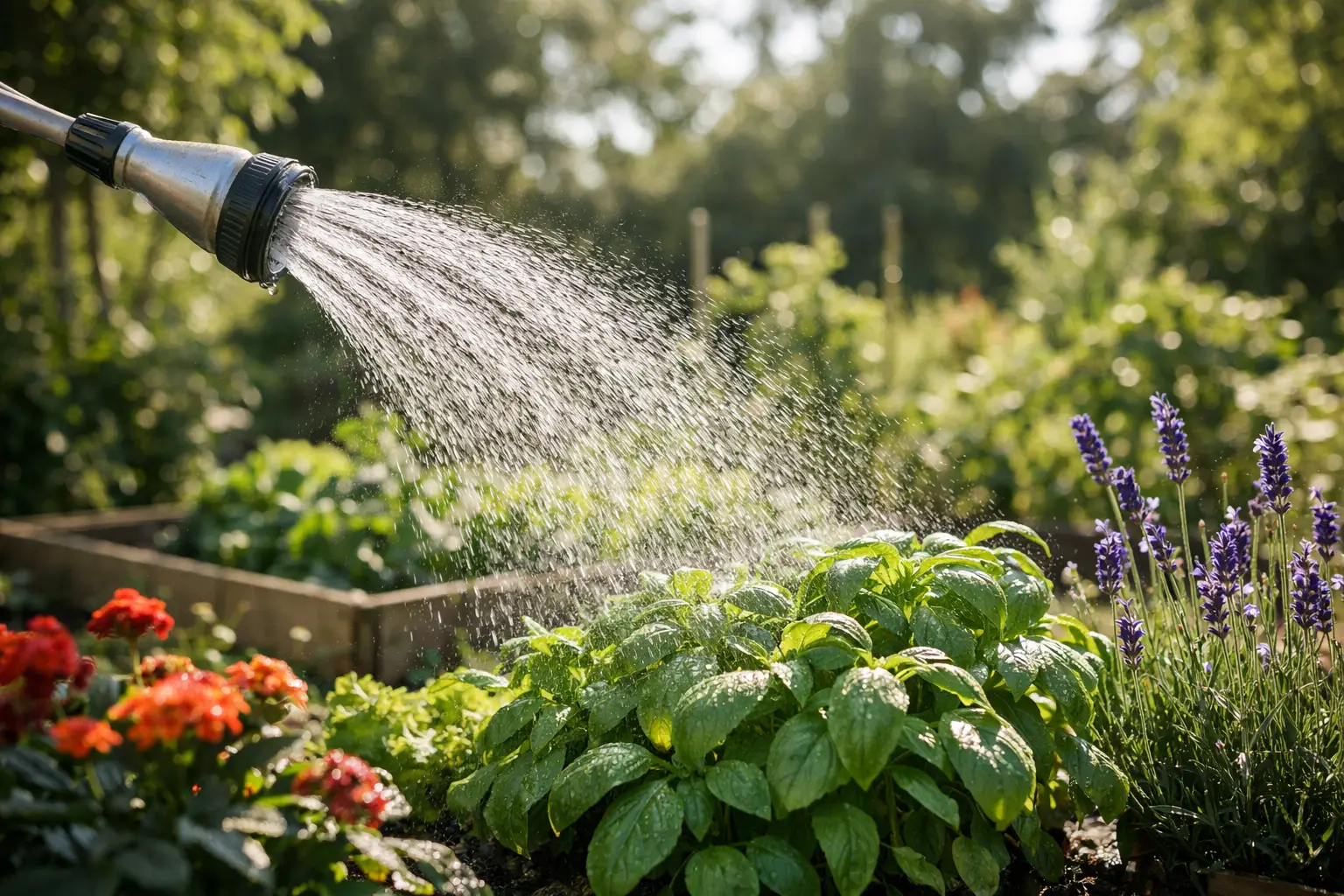
A garden can look thirsty long before it actually needs a drink. That is why the best top garden watering tips are not about reaching for the hose every sunny morning. They are about checking the soil, watering at the right time and giving each plant what it needs – without wasting water or creating more work for yourself.
For UK gardens, the challenge is often changeable weather. A warm, breezy day can dry out pots quickly, while a flowerbed may still hold plenty of moisture beneath its surface. A few simple habits make watering easier, help plants build stronger roots and keep your outdoor space looking cared for through spring and summer.
The first rule is simple: water the soil, not the leaves. Plants take up moisture through their roots, so aim your watering can, hose or sprinkler at the base of the plant. Wet leaves do little to relieve a thirsty root system and can encourage fungal problems, especially where plants are crowded or the weather is humid.
Before watering a border or raised bed, push a finger a few centimetres into the soil. If it feels cool and damp, leave it alone for now. If it is dry at that depth, it is time to water. Surface soil often dries first, particularly after wind, so judging by appearances alone can lead to overwatering.
A proper soak is usually more useful than a light daily sprinkle. Watering deeply encourages roots to travel down into cooler, moister soil, helping plants cope better when dry spells arrive. Frequent shallow watering keeps roots near the surface, where they dry out quickly and need more attention.
That said, pots, hanging baskets and newly planted specimens are the exception. Their compost can dry rapidly, and their roots have less room to search for moisture. Check containers daily during warm weather, and twice a day when there is strong sun or drying wind. If compost has pulled away from the side of a pot, water slowly in stages so it can absorb moisture rather than sending it straight out of the drainage holes.
Early morning is the most reliable time to water. The soil is cooler, plants have time to take up moisture before the heat builds, and any splashes on foliage can dry during the day. It is also a far more pleasant job before the garden gets busy or the sun is high.
Evening watering can work when mornings are not practical, particularly for pots that are flagging after a hot day. Just avoid soaking foliage late at night, as damp leaves sitting in still, cool air are more likely to develop disease. If you only have time after work, direct the water carefully at the soil and roots.
Try not to water in the middle of a hot afternoon. Some moisture will still reach the roots, so it is better than letting a plant collapse completely, but more water is lost to evaporation and you will need to use more to achieve the same result. For a severely wilted container plant, move it into shade if possible and water slowly at the base.
Not every part of the garden needs the same routine. A sunny patio full of terracotta pots needs much closer attention than an established shrub border in partial shade. Terracotta is attractive and breathable, but it loses water faster than glazed pots or plastic containers. Grouping pots together can create a slightly more sheltered, humid spot and makes watering quicker too.
Vegetable beds need regular moisture while crops are forming. Tomatoes, courgettes, beans and salad leaves all benefit from steady watering, rather than a cycle of drought followed by a heavy soak. Inconsistent watering can contribute to problems such as split tomatoes, bitter salad leaves and poor growth.
Newly planted trees, shrubs and perennials deserve special care in their first season. Their roots have not yet spread into the surrounding soil, so rain may not be enough during dry periods. Water slowly around the root area once or twice a week, depending on the weather and soil, rather than giving them a quick splash every day.
Lawns are different again. Established grass usually recovers after dry weather once rain returns, even if it turns brown and stops growing for a while. Unless there is a newly laid lawn, it is often sensible to save your water for beds, containers and productive crops. If you do water grass, do it deeply and occasionally rather than little and often.
Mulch is one of the easiest ways to reduce watering chores. A layer of compost, well-rotted manure, bark or leaf mould around plants helps shade the soil, slow evaporation and suppress weeds that compete for moisture. Keep mulch a small distance from stems and trunks so that they are not sitting in constant dampness.
Collecting rainwater is another straightforward win. A water butt connected to a downpipe gives you a useful supply for pots and beds, particularly during a hosepipe restriction. Rainwater is also generally well suited to garden plants. Keep the butt covered or properly fitted, and use the stored water regularly so it does not sit unused for long periods.
A hose with a trigger nozzle gives good control for larger gardens, while a watering can is ideal for containers, seedlings and targeted jobs. For beds that need regular watering, a soaker hose or drip system can save time by delivering water directly to the soil. These systems are especially handy if you are away for a weekend or have a busy family schedule, but check them occasionally for blockages, leaks and missed areas.
If using a sprinkler, remember that it is best suited to wide areas such as lawns. It can be convenient, but it also wets paths, leaves and any weeds growing nearby. On a windy day, much of the water may not land where you intended. For borders and veg patches, a hose at the base of plants is usually the more efficient choice.
Drooping leaves do not always mean a plant needs water. A plant can wilt in intense sunshine to reduce water loss, then perk up as temperatures fall. Check the compost or soil before adding more. If it is already wet, overwatering may be the real issue.
Signs of too much water can include yellowing lower leaves, soft stems, slow growth and compost that remains soggy for days. Make sure pots have drainage holes and do not leave them standing in saucers full of water after a heavy soak, unless they are plants that genuinely enjoy boggy conditions.
Plants growing in heavy clay soil need a little patience too. Clay can hold a great deal of water, but it may be difficult to wet evenly once it has dried out. Apply water slowly, allow it to soak in, then return for a second pass if needed. Adding organic matter over time improves the soil structure and makes it easier to manage.
Sandy soil is the opposite: water drains through quickly, so plants may need more frequent watering, especially in summer. Compost and mulch help sandy ground hold onto moisture for longer. There is no single watering schedule that suits every garden – your soil, exposure, plant choices and weather all matter.
Keep it easy by doing a quick garden check in the morning. Look first at hanging baskets, pots in full sun, young plants and vegetables. Test the soil, water only what needs it, and take a moment to remove any obvious weeds while you are there. This small routine is far easier than trying to rescue a dried-out garden at the end of a heatwave.
During very warm spells, move smaller pots into a little afternoon shade where possible and stand them close together. Add a mulch layer to exposed beds, top up the water butt after rainfall and make sure hoses are stored neatly so they are ready when needed. EasyPeasyMate-style garden care is all about choosing practical habits that save a job later.
A well-watered garden is not one that is constantly wet. It is one where roots have access to moisture, plants are suited to their spot and every watering session has a clear purpose. Check first, water deeply where it counts, and let the garden do the rest.
