Address
86 Amesbury Road
Manchester M9 6JF United Kingdom
Imagine the sinking feeling when you step into your kitchen and feel a cold, soggy patch on the floor because a loose connection has let go mid-spin....
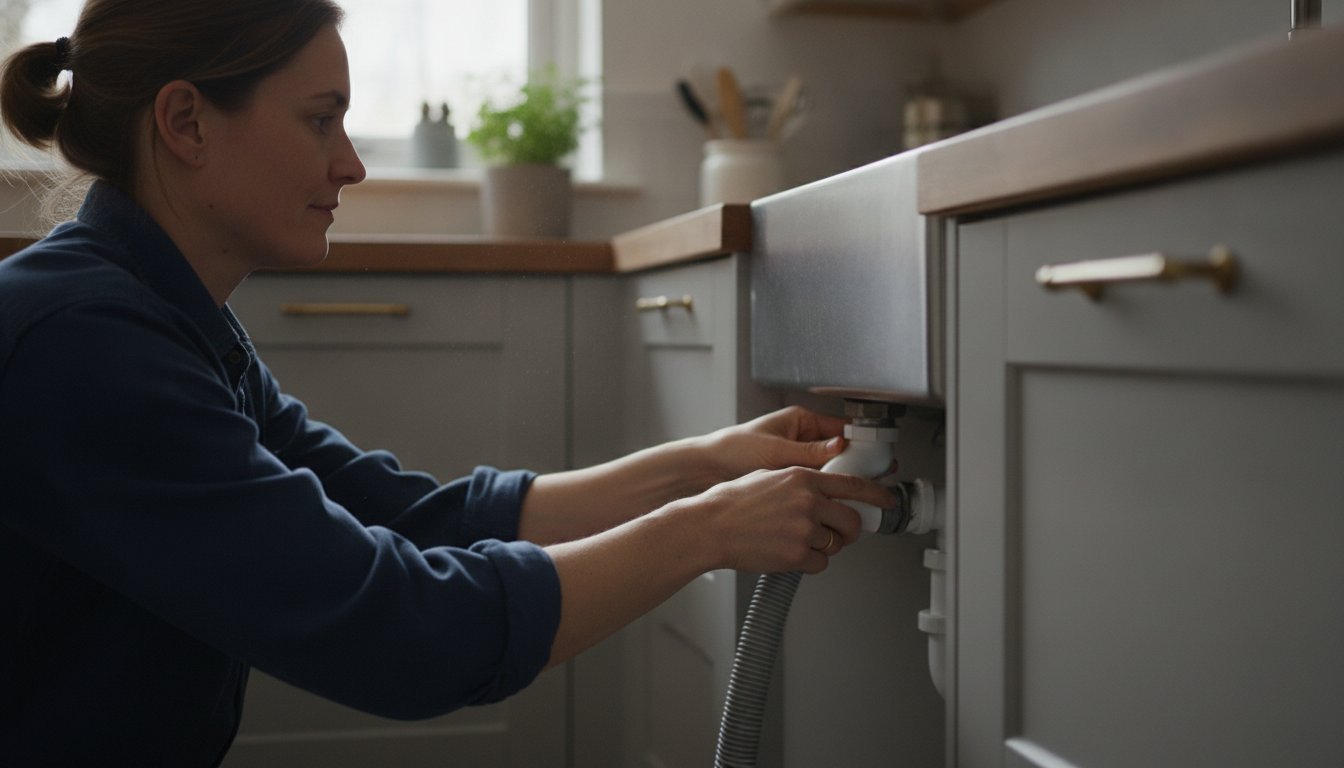
Imagine the sinking feeling when you step into your kitchen and feel a cold, soggy patch on the floor because a loose connection has let go mid-spin. It’s a common worry for many UK homeowners, but understanding the different washing machine drain hose connection types doesn’t have to be a headache. You just want your laundry finished without the fear of a mini-flood or those lingering, unpleasant smells from the waste pipe.
We agree that the maze of plastic pipes behind your cupboards can look daunting. This guide is here to help you secure your appliance against leaks and siphoning whilst giving you the confidence to tackle simple installations yourself. We’ll explain the essential 60-100cm height rule, compare standpipes versus sink spigot setups, and show you how to fit a hose extension if your current reach is a bit too short. By the end, you’ll have a secure, smell-free drainage system that keeps your kitchen dry and your mind at ease.
Think of your drain hose as the vital bridge between your appliance and your home’s waste system. It is the only thing standing between a fresh load of laundry and a kitchen floor covered in grey water. The specific washing machine drain hose connection types you have in your home will dictate where you can place your machine and how safely it operates. Getting this right isn’t just about avoiding a puddle; it’s about managing air pressure and gravity to ensure that waste water goes out and stays out.
Most UK homes rely on a few standard setups to handle the exit flow. You’ll usually encounter one of three main washing machine drain hose connection types: a vertical standpipe, a sink spigot (often called an appliance nipple), or a setup requiring a hose extension. Each method requires a specific approach to maintain an “air gap.” This gap is a simple bit of washing machine plumbing logic that prevents dirty water from being sucked back into your machine whilst it’s trying to rinse your favourite clothes.
A dodgy connection is more than a minor annoyance. If the hose isn’t fitted correctly, you might experience the “siphoning effect.” This happens when the machine pulls dirty waste water back into the drum, leaving your laundry smelling less than fresh. Beyond the smell, a poor setup can allow foul sewer odours to creep into your kitchen from the main waste pipe. It also puts extra strain on your appliance’s pump. If the pump has to fight against too much head pressure because the hose is kinked or positioned too high, it won’t last as long as it should.
Creating a leak-proof seal is easy when you have the right bits and bobs. Most machines come with a corrugated plastic hose. This design is clever because it’s flexible enough to bend without snapping but sturdy enough to handle hot water. To keep everything in place, you’ll need a few essentials:
By understanding these components, you can ensure your machine drains efficiently every time. Whether you’re moving into a new flat or just replacing an old appliance, checking your connection type first will save you a lot of time and potential water damage later on. If you’re also looking to make the most of water around your home, learning about a water butt linking kit to maximise your rainwater storage is a great next step for any eco-conscious homeowner.
When you’re setting up your laundry area, the two most common washing machine drain hose connection types you’ll encounter in the UK are the standpipe and the sink spigot. Each has its own set of rules and benefits. Choosing the right one usually depends on where your machine is located. If your appliance is in a dedicated utility room, you’re likely looking at a standpipe. If it’s tucked under a kitchen worktop, a sink spigot is the standard choice. Both are effective, but they require different bits and bobs to stay leak-free.
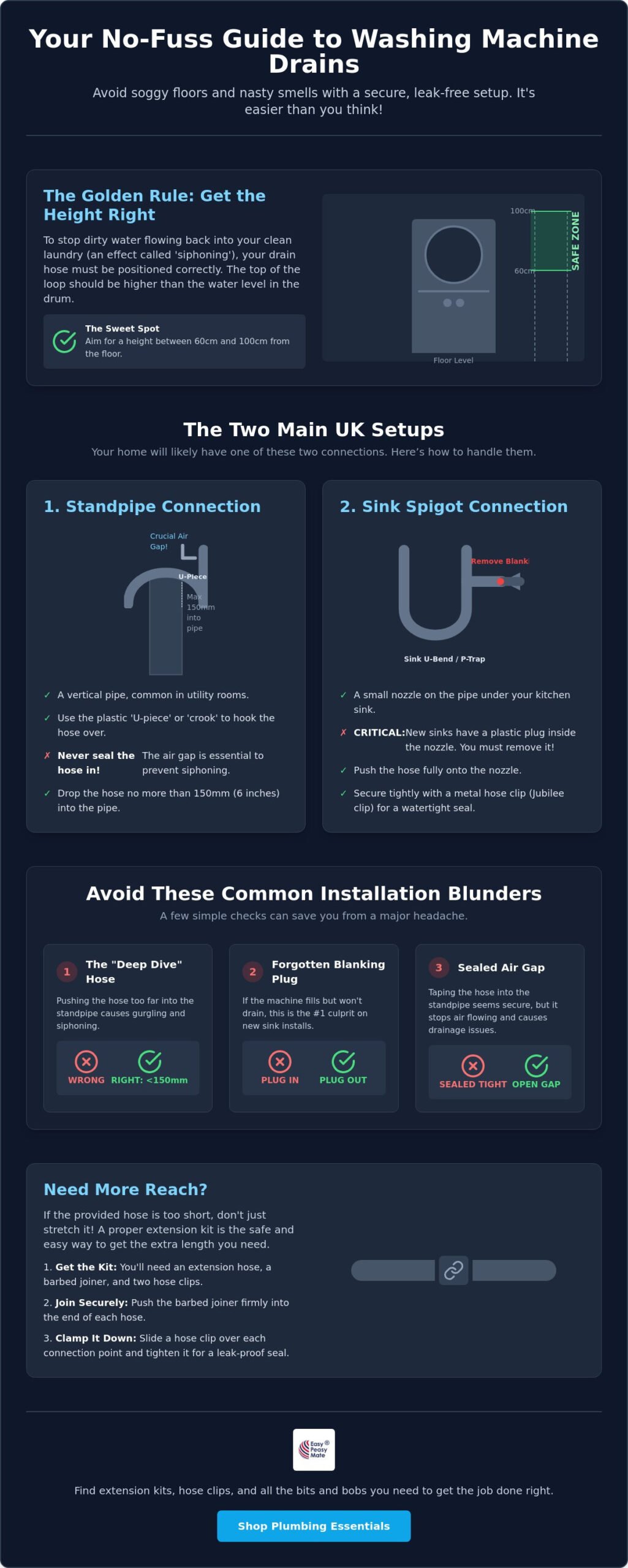
A standpipe is a vertical length of pipe, usually 40mm in diameter, that connects directly to your home’s main waste line. It’s a popular choice because it’s easy to access. You simply hook the drain hose over the top using a plastic U-piece, also known as a crook. The most critical part of this setup is maintaining an air gap. You should never seal the hose into the standpipe with tape or silicone. According to the UK Building Regulations for drainage, this air gap is essential to prevent dirty water from being siphoned back into your clean wash. To stop the hose from “jumping” out during a high-speed spin, make sure the crook is securely hooked and the hose doesn’t extend more than 150mm down into the pipe.
If your washing machine is integrated or sits next to the sink, you’ll likely use a sink spigot. This is a small, tapered nozzle located on the P-trap or U-bend under your kitchen sink. It’s a clever, space-saving solution, but it comes with a common “trap” for new installations. Most new sink traps come with a blanking plug inside the spigot to prevent leaks if no machine is connected. If you hook up your machine and it won’t drain, this plug is almost certainly the culprit. You’ll need to unscrew the spigot and knock out the plastic disc before connecting your hose. Once the path is clear, always use a metal Jubilee clip or a sturdy hose clamp to secure the connection. The pressure from the pump is surprisingly strong, and a loose hose can quickly lead to a cabinet full of water.
In terms of maintenance, standpipes are generally easier to clear if a blockage occurs since they are separate from your sink’s waste. Sink spigots can sometimes become clogged with food debris from the sink, so they require a bit more attention. If you’re finding that your current hose doesn’t quite reach your preferred drainage point, browsing our practical plumbing essentials can help you find the right extension to bridge the gap without the fuss.
Sometimes, your ideal kitchen layout doesn’t perfectly align with where the builder decided to put the waste pipe. If you’re moving your appliance away from the sink or standpipe, you’ll need to bridge the gap. Understanding how to adapt various washing machine drain hose connection types for longer distances is a great skill for any DIY-minded homeowner. Whilst most machines come with a standard 1.5-metre hose, you can easily extend this to suit your needs without calling out a plumber.
However, there is a limit to how far you should push things. Most appliance manufacturers recommend a total drain hose length of no more than 4 metres. If the run is too long, your machine’s pump has to work much harder to push the water out. This extra strain can lead to premature pump failure or leave dirty water sitting in the bottom of your drum. When planning your run, remember that horizontal distance is only half the battle; you also need to manage the vertical lift.
Start by measuring the distance between the machine and the drain point. Don’t just measure a straight line; account for the hose going up to the required height and around any cupboards or appliances in the way. Most UK hoses have internal diameters of either 19mm or 22mm at the ends, so you’ll need a universal extension kit that matches these standard sizes. A barbed joiner is the essential ridged plastic connector that slides into both hose ends to create a firm, internal link. For a visual walkthrough of the process, you can find guides on that show these components in action.
To get a watertight seal, push the barbed joiner halfway into your original hose and the other half into your new extension. It should be a snug, tight fit that requires a bit of effort to push home. Use a metal jubilee clip on each side of the joiner and tighten them firmly with a screwdriver. This prevents the pressure of the pumped water from forcing the hoses apart mid-cycle. One of the most common causes of a washing machine drain hose extension leaking is an improperly seated barbed joiner, so take your time to push each end fully home before tightening the clips. Once it’s all connected, run a short rinse cycle and keep a towel or bucket handy to check for any drips. If you want to get the job done right the first time, check out our heavy-duty Washing Machine Drain Hose Extension Pipe for a no-fuss setup that stands the test of time.
Before you start wrestling with pipes behind your cupboards, a little preparation goes a long way. Switch off the water supply at the local valves or the main stopcock to be safe. It’s also wise to keep a towel and a shallow bucket handy. Even if you think the machine is empty, there is almost always a bit of stagnant water left in the sump or the hose that will spill out as soon as you disconnect it. Having these ready prevents a minor task from turning into a messy cleanup operation.
Securing the various washing machine drain hose connection types found in UK homes requires a methodical approach. Whether you are hooking into a standpipe or a sink spigot, the way you physically attach and secure the hose determines how long the setup will last without failing. A loose connection might hold for a few weeks, but the constant vibration of a 1400rpm spin cycle will eventually wiggle it free if it isn’t locked down tight.
The golden rule for all washing machine drain hose connection types is the 60-100cm height requirement. The highest point of your drain hose must be at least 60cm from the floor but no higher than 100cm. If the hose is too low, water will siphon out of the drum as fast as it fills up, leading to a machine that never finishes a cycle. If it’s too high, the internal pump won’t have the strength to push the waste water over the hump. Use the plastic hose guide, often called a “crook” or U-piece, to maintain a smooth arch. Secure this arch to the wall or the side of a cabinet using a screw-in clip. This simple step prevents the hose from sagging over time, which is a frequent cause of drainage errors and nasty smells.
Don’t push the machine back into its final position until you’ve performed a “dry run.” Select a short rinse or a “drain and spin” cycle to see the plumbing in action. Watch the connection point closely during the first few seconds of the pump firing up. A healthy drain sounds like a consistent, strong “whoosh” of water. If you hear a gurgling or struggling sound, the pump might be fighting against a kink or an improper height. Perform the “hand test” by carefully feeling around the jubilee clips and joints whilst the machine is actively pumping. Even a tiny pinhole leak can cause significant dampness if left for months. If you need any extra bits to ensure a watertight finish, browse our range of reliable plumbing essentials to get the job done properly.
Even with a solid grasp of the different washing machine drain hose connection types, small oversights during the final tuck-away can lead to damp cupboards or a struggling appliance. Most plumbing issues don’t happen because of a faulty machine; they happen because of a “set and forget” attitude during installation. Taking an extra five minutes to double-check your work can save you the cost of a call-out fee or a new kitchen floor.
One of the most frequent mistakes is the “deep dive” into a standpipe. It’s tempting to shove as much hose as possible into the pipe to make it feel secure, but this is a recipe for disaster. If the hose goes too deep, it can end up submerged in the standing water of the U-bend, creating a vacuum that siphons water out of the drum whilst the machine is trying to wash. Keep the hose end about 10 to 15 centimetres inside the pipe. Similarly, keep an eye on your jubilee clips. Whilst you want a firm seal, overtightening a metal clip onto a plastic sink spigot can cause the plastic to crack or warp over time. Snug is good; “clamped for dear life” is often too much.
If you notice your machine is constantly filling with water or taking hours to finish a cycle, you’re likely dealing with siphoning. This happens when the balance of air and water pressure is off. Ensure your standpipe has a clear air gap and that you haven’t sealed the top with tape. If your kitchen has developed a mysterious “drainy” smell, perform the smell test near the connection. A foul odour usually means the water seal in the U-bend has been sucked out, allowing sewer gases to enter. Usually, adjusting the hose height or pulling it back slightly from the standpipe fixes this air gap issue instantly.
A secure setup today doesn’t mean it will stay that way forever. The heavy vibrations of a washing machine can cause even the best-fitted clips to wiggle loose over months of use. Organise a quick bi-annual check of your connections. Pull the machine out slightly and feel for any dampness or “pitting” on the hose walls, which looks like tiny pinpricks in the plastic. This is a sign the material is becoming brittle and needs replacing. If you used an extension to reach your waste outlet, it’s worth reviewing our complete checklist for preventing a washing machine drain hose extension leaking to keep your setup in top condition year after year. If you’re connected to a sink spigot, hair and lint from the sink often gather at the narrowest point of the nozzle. Once a year, unscrew the hose and clear out any gunk to keep the drainage flow smooth and silent. If your hose is looking a bit worse for wear, it might be time to browse our range of heavy-duty replacements to keep your laundry room running without a hitch.
You now have the practical know-how to handle different washing machine drain hose connection types without the stress of calling out an expensive plumber. By mastering the 60-100cm height rule and understanding the difference between standpipe and sink spigot setups, you’ve taken a huge step toward a safer, drier home. Remember that a secure connection is all about managing gravity and air pressure; simple steps like checking for blanking plugs and using sturdy jubilee clips make all the difference.
If your current setup feels a bit cramped or you’re planning a kitchen reshuffle, find your smart plumbing solutions and hose extensions at EasyPeasyMate. We specialise in curated “smart solutions” that make everyday home maintenance a breeze. Plus, you’ll enjoy free delivery across the UK and the peace of mind that comes with our dedicated UK customer support team. Take control of your home plumbing today and say goodbye to those nagging worries about loose connections. You’ve got this!
Push the hose about 10 to 15 centimetres into the standpipe. If you push it in too far, you risk it dipping into the standing water at the bottom, which creates a vacuum and causes siphoning. Always use the plastic crook to keep it steady. This ensures there is plenty of air around the hose, which is vital for a healthy drainage flow.
Yes, you can connect it directly to the spigot located on the sink’s P-trap or U-bend. This is a common setup for integrated machines under kitchen worktops. Just remember to remove the blanking plug from inside the spigot before you attach the hose. Secure the connection with a sturdy metal jubilee clip to prevent any high-pressure leaks during the pump cycle.
The discharge point should be between 60cm and 100cm from the floor. This is the standard height for most washing machine drain hose connection types in the UK. Keeping the hose within this range prevents dirty water from flowing back into the drum whilst ensuring the pump isn’t under too much pressure. Use a wall clip to keep the arch at the correct level permanently.
Use a barbed joiner and a dedicated extension pipe to add length. Simply push the joiner into both ends and secure each side with a metal jubilee clip. Don’t let the total length exceed 4 metres, as this can strain the internal pump and lead to drainage failures. It’s a quick fix that allows you to move your appliance exactly where you need it.
A leak is usually caused by a loose jubilee clip or a perished rubber washer. Check that the clip is tightened firmly but hasn’t cracked the plastic spigot. If you see water dripping from the hose itself, look for tiny pinprick holes or “pitting” in the corrugated plastic. These small leaks often start because the hose has been vibrating against a sharp edge or a hot pipe.
A standard metal jubilee clip is the best choice for a secure, watertight seal. These are much more reliable than the plastic “squeeze” clips that sometimes come with new appliances. They allow you to tighten the connection with a screwdriver, ensuring the hose won’t wiggle free during a heavy spin cycle. It’s a small investment that prevents a lot of potential water damage.
Most dishwasher and washing machine drain hoses are interchangeable because they use standard 19mm or 22mm internal diameters. However, you should always check the machine’s manual to ensure the flow rate is compatible. Whilst the fittings are often identical, some heavy-duty washing machines require a wider bore to handle the larger volume of water they pump out during the rinse phase.
If the hose is lower than 60cm, the machine will likely experience siphoning. This means the water will flow straight out of the drum as fast as the machine fills it up. You’ll notice the appliance gets stuck in a loop, constantly filling and never starting the wash. Raising the hose and using a U-piece to create a high arch will solve this problem immediately.
The content on this blog is provided for general informational and educational purposes only. Whilst we endeavour to provide accurate DIY and gardening advice, it does not constitute professional structural, electrical, plumbing, or landscaping advice. Always consult a qualified professional before undertaking major home improvements. EasyPeasyMate accepts no liability for any loss, damage, or injury incurred as a result of using the information provided on this website. Any reliance you place on such information is strictly at your own risk.
