Address
86 Amesbury Road
Manchester M9 6JF United Kingdom
Our waterproof sealant review helps you choose the right formula for gutters, bathrooms, roofs and outdoor repairs, with simple tips for a lasting seal.
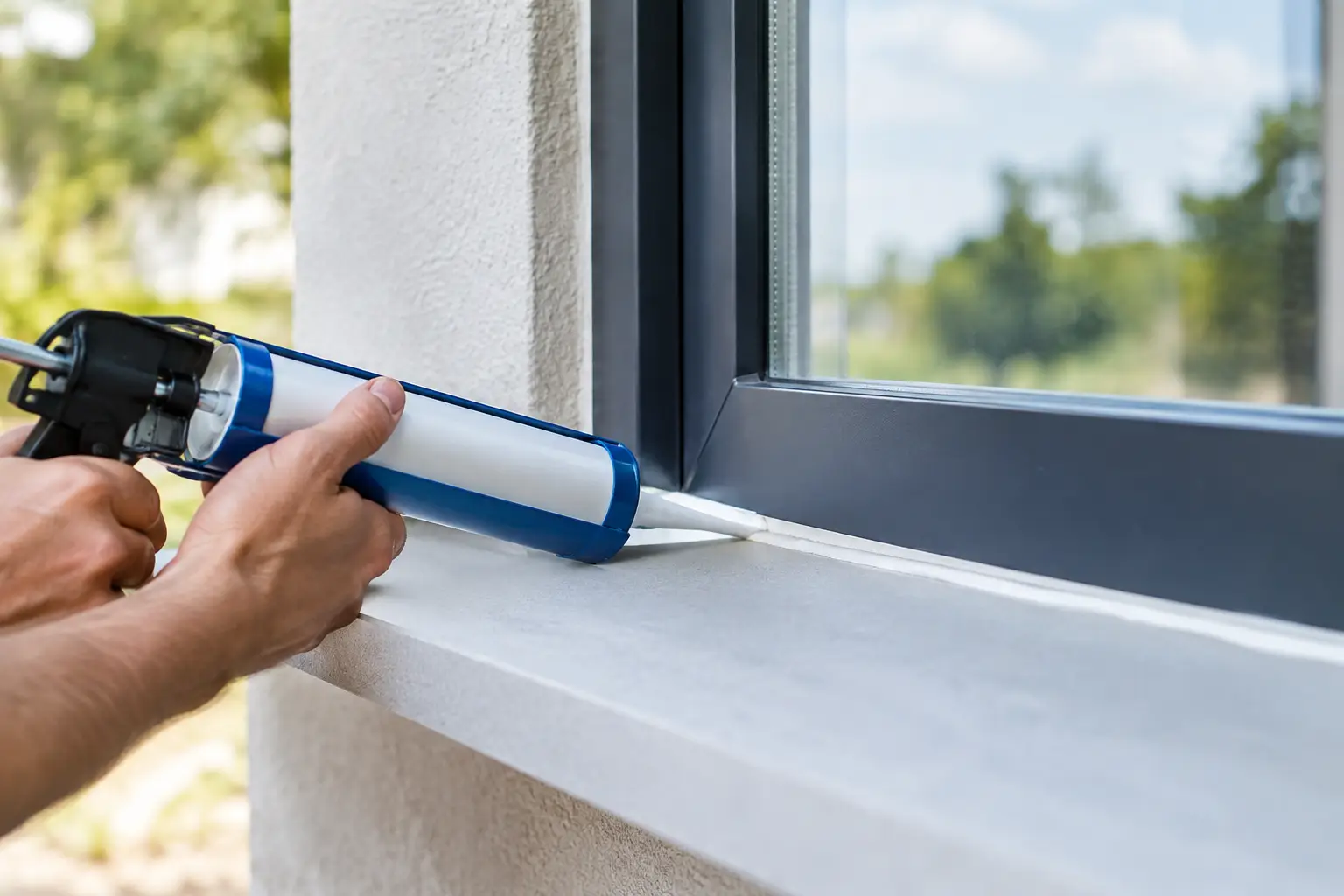
A dripping gutter joint, a dark patch around the shower tray or a hairline crack in a planter can look like a small job – until rain or daily use turns it into a bigger repair. This waterproof sealant review cuts through the broad claims on the tube and focuses on what matters at home: where the sealant will be used, how well it sticks, whether it stays flexible and how long it needs to cure before it can get wet.
The best choice is rarely the strongest-sounding product. A sealant that works brilliantly around a bath may be completely wrong for a roof flashing, while a quick-fix exterior paste can be too messy or too stiff for a neat indoor finish. Choose for the surface and the movement involved, and the repair is far more likely to last.
Most household waterproofing jobs fall into four useful categories: sanitary silicone, exterior silicone, hybrid polymer sealant and bitumen repair compound. Each earns its place, but they are not interchangeable.
Sanitary silicone is the familiar choice for baths, shower screens, sinks and kitchen worktops. It forms a flexible, waterproof bead and good versions contain anti-mould protection. That flexibility matters because shower trays, tiles and worktops move slightly with changes in temperature and everyday use.
For a bathroom, look for a sealant clearly marked as sanitary and mould-resistant. A general-purpose silicone may stop water at first, but it may discolour or develop mould more readily in a steamy room. Clear silicone is handy where you want a discreet finish, while white is often the easiest match for sanitaryware and grout.
The trade-off is that silicone can be awkward to paint and will not adhere well to every surface. It also needs a properly clean, dry joint. Applying it over old, grimy sealant is one of the quickest ways to end up doing the job again.
Exterior silicone is useful around window frames, door frames, air bricks and small gaps where rain could get in. It needs to handle UV light, changing temperatures and a fair amount of movement without shrinking or cracking.
This is a sensible option for narrow gaps between compatible materials, such as uPVC and brickwork. Check the label for suitability on the surfaces in question, especially if you are sealing natural stone, metal or coated cladding. Some formulations can stain porous materials or struggle to bond to certain plastics.
For exposed gaps, a neat bead is more valuable than an oversized one. If the gap is deep, use a backing rod first rather than filling the whole void with sealant. This helps the sealant flex as intended and makes the finish tidier.
Hybrid polymer sealants are often the most versatile choice for practical home, garden, car and caravan repairs. They tend to grip a wider mix of surfaces, including wood, metal, plastic, brick, glass and many painted finishes. Many can also be applied to damp surfaces and painted once cured.
That makes them particularly useful for a loose gutter joint, a leaking shed roof edge, a crack around an external pipe or a small caravan trim repair. They remain flexible but generally feel tougher than standard silicone, which is useful where the joint gets knocked, vibrates or moves.
The catch is price and application feel. Hybrid products can cost more, and some are thicker to gun out neatly. For a visible bathroom edge where a smooth, fine bead is the priority, sanitary silicone may still give the better finish.
Bitumen-based sealants and repair compounds are made for harsh outdoor jobs, particularly felt roofs, flashing, gutters and downpipes. They are often forgiving on damp surfaces and can provide a fast weatherproof patch when conditions are less than perfect.
They are not a neat-finish product. Bitumen is usually black, can be messy to use and is unsuitable for areas you want to paint or keep looking fresh. Think of it as a hardworking repair material for hidden or practical exterior jobs, not a general-purpose household sealant.
It is also worth being realistic: sealant can bridge a small crack or joint, but it cannot rescue rotten timber, badly split guttering or a roof covering that has reached the end of its life. If the surface is failing beneath the patch, water will find another route.
A good waterproof sealant should do more than stop a drip on day one. The real test is whether it still holds after hot sun, frost, shower steam, vibration, cleaning and normal movement in the materials around it.
Start with adhesion. The packaging should state that the sealant works with your surface, whether that is ceramic, acrylic, uPVC, aluminium, brick, timber or roofing felt. If you are joining two different materials, such as metal to plastic, hybrid polymer is often the safer starting point.
Next, check flexibility. Rigid materials move more than people expect. Gutters expand in summer, shower trays flex under weight, and caravans vibrate on the road. A flexible sealant is less likely to pull away at the edge or crack through the middle.
Cure time matters too. Some products form a surface skin quickly but need 24 hours or longer before they are fully waterproof or ready for paint. For a shower, that may mean planning around a day without use. For a gutter repair, it may mean checking the forecast rather than sealing it ten minutes before heavy rain.
Finally, buy the right tube size. A small tube suits a single crack or a quick touch-up. For several metres around a bath or multiple exterior joints, a cartridge for a sealant gun is usually better value and easier to control. Keep the nozzle cut small at first. You can always make it wider, but you cannot make an oversized bead disappear without extra cleaning.
Preparation is the bit most likely to decide the result. Remove every trace of loose old sealant, dirt, soap residue, dust and flaking paint. A scraper or sealant removal tool helps, but take care around acrylic baths, uPVC frames and painted surfaces.
Once the old material is gone, clean the area with a suitable household cleaner and let it dry fully, unless the product specifically says it can be applied to damp surfaces. In bathrooms, rubbing alcohol can help remove greasy residue. Outdoors, brush off loose debris and make sure there is no standing water in the joint.
Masking tape is worth the extra minute on visible edges. Run it along both sides of the joint, apply a consistent bead, smooth it with a sealant profiling tool or a gloved finger, then remove the tape straight away. The result looks far sharper than trying to tidy hardened sealant later.
Do not overfill. Sealant works best as a controlled joint, not a thick blob spread over a problem. Press it into the gap so it contacts both sides, then smooth the surface in one steady pass. Reworking it repeatedly can introduce air gaps and leave a rough finish.
Give it the full stated curing time before exposing it to water, paint or heavy movement. This is especially tempting to ignore when repairing a shower or a leaking outdoor joint, but rushed use is a common reason a new seal fails early.
The most common mistake is using bathroom silicone everywhere. It may seal a small interior joint well, but it is not automatically the right answer for roofing, guttering or a moving caravan panel. The second is sealing over an active leak without finding the source. Water can travel along a surface, so the visible drip is not always where the failure began.
Another costly error is choosing a product by colour alone. Clear looks subtle, but it can show dirt and mould around a shower. White gives a classic bathroom finish but may not blend with cream tiles. Black bitumen is effective outdoors, yet it will always look like a repair. Match the product’s job first, then choose the most practical finish.
For bathrooms and kitchens, a quality mould-resistant sanitary silicone is the straightforward winner. For windows, doors and narrow exterior gaps, choose a weather-resistant exterior silicone designed for the materials involved. For mixed-material repairs around the home, shed, car or caravan, a hybrid polymer sealant offers the best all-round flexibility. For roof felt, flashing and tough gutter repairs, a bitumen compound is usually the more suitable specialist option.
The easiest repair is the one you only have to do once. Take a moment to match the sealant to the job, prepare the surface properly and allow enough curing time. A small tube, used well, can save a wet weekend and a much larger repair bill – exactly the sort of everyday fix that makes life easier with EasyPeasyMate.
