Address
86 Amesbury Road
Manchester M9 6JF United Kingdom
Build a winter car emergency kit with practical essentials for UK roads, from warmth and visibility to battery, ice and breakdown basics.
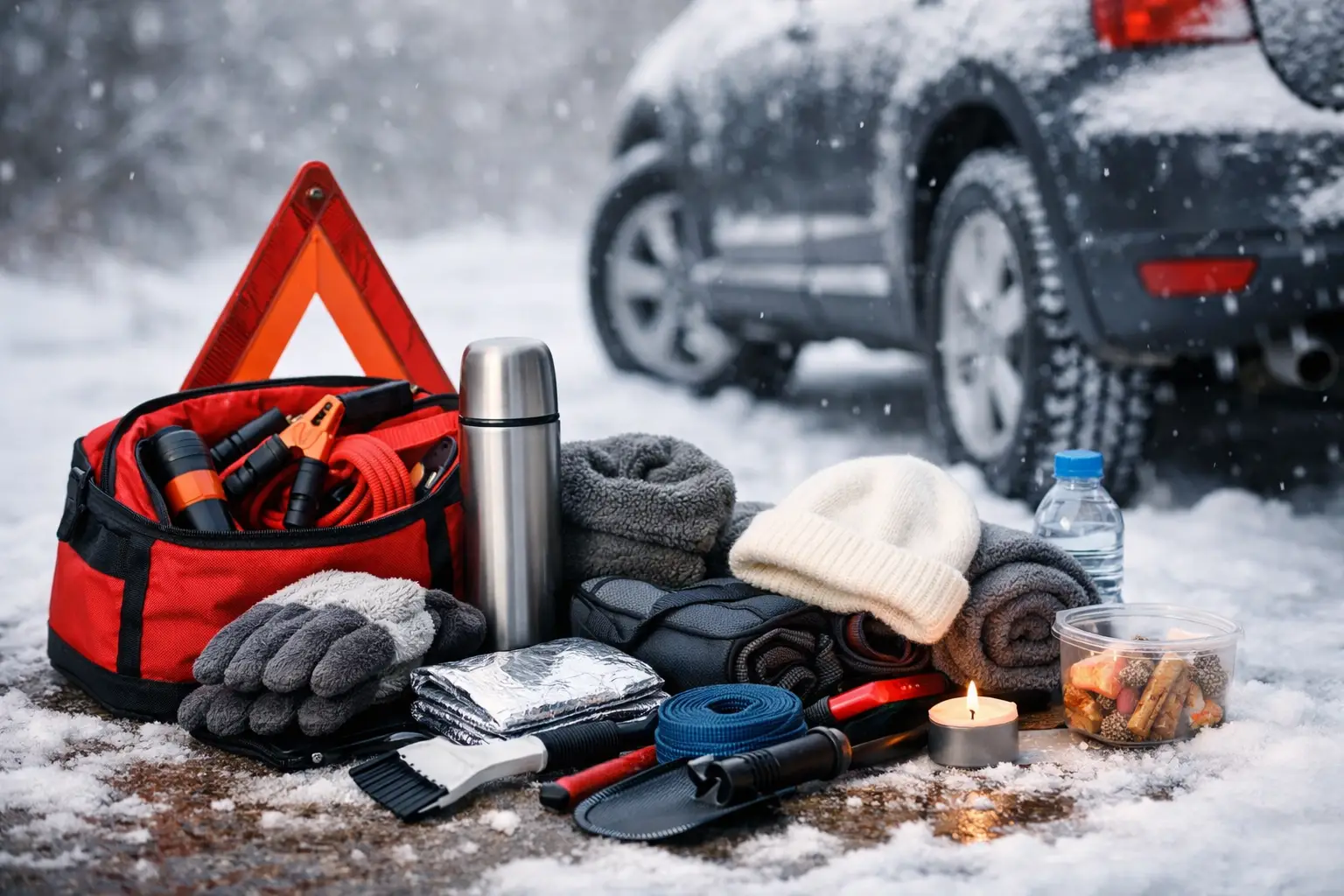
The hard part about winter driving is that trouble rarely arrives one problem at a time. A flat battery on a mild day is annoying. A flat battery on a dark, freezing evening with patchy signal and an iced-up windscreen is a different story. That is exactly why a winter car emergency kit earns its place in your boot. It is not about expecting disaster every time you set off. It is about making delays, breakdowns and bad weather far easier to handle.
For most UK drivers, the best kit is not the biggest one. It is the one that matches real journeys, local weather and the age of the vehicle, while staying tidy enough that you will actually keep it in the car. A family doing school runs and motorway miles needs something slightly different from a local commuter or a caravan owner heading off in colder months. The aim is simple – cover warmth, visibility, power, safety and basic recovery without turning your boot into a storage unit.
A good winter car emergency kit should buy you time, comfort and options. If the weather turns, roads close, traffic grinds to a halt or your car refuses to start, the right items help you stay warm, stay visible and sort smaller problems before they become bigger ones.
That means your kit should do three jobs well. First, it should keep you safe while waiting for help. Second, it should help you deal with common winter issues such as ice, low battery power and poor visibility. Third, it should be easy to grab and use in bad conditions, when cold hands and low light make everything more awkward.
Start with warmth. Even if you expect a short trip, a breakdown can stretch far longer than planned. Keep a warm blanket or thermal throw in the car, and if you regularly travel with more than one passenger, make sure there is enough for everyone. A spare hat and gloves take up very little room but make a huge difference if you need to leave the vehicle or wait without full heating.
A torch is another basic that proves its value quickly. Choose one that is bright, reliable and easy to hold with gloves on. A battery-powered torch is fine if you check it regularly, but many drivers prefer a rechargeable option. The trade-off is simple – rechargeable torches are convenient, but only if you remember to keep them charged.
You will also want high-visibility gear. A hi-vis vest helps you stand out if you need to step out near the roadside in poor light, fog or heavy rain. It is one of those simple items that often gets overlooked until the moment it is badly needed.
Then there is visibility for the car itself. An ice scraper is a must, and a decent de-icer spray is often worth having alongside it. The scraper handles thick frost, while the spray speeds things up and helps with stubborn patches. Add a microfibre cloth to clear interior condensation, because steamed-up windows can be just as frustrating as ice.
Cold weather is hard on batteries, especially in older cars or vehicles doing lots of short trips. That is why power support belongs in any sensible winter setup. Jump leads are still useful, but they depend on another vehicle being available and someone knowing how to help safely. A compact jump starter can be even more convenient for solo drivers, though it needs occasional charging and proper storage.
Keep a mobile phone charging cable in the car, and ideally a power bank as backup. If you rely on your mobile phone for sat nav, roadside assistance details and family contact, you do not want the battery running low just as plans go sideways. A simple car charger is cheap reassurance.
It is also worth keeping key numbers saved in your mobile phone before winter starts. If you break down, that is not the moment to search old emails for cover details or policy numbers.
A winter car emergency kit does not need to turn you into a mechanic, but a few practical extras can solve common hold-ups. A pair of gloves suitable for basic car tasks will keep your hands cleaner and warmer if you need to check something under the bonnet or fit jump leads.
A warning triangle can be helpful in some situations, though where and when you use one depends on the road and conditions. On fast roads, personal safety comes first, and it is not always sensible to place one. This is one of those areas where common sense matters more than packing every item possible.
A tow rope sometimes gets mentioned as a winter essential, but for many everyday drivers it is less useful than it sounds. Towing comes with safety and legal considerations, and most people are better off focusing on staying visible, warm and able to call for help. If you do carry one, know when it is appropriate and when it is not.
A basic first aid kit is worth including too. It is not specifically a winter item, but winter conditions increase the chance of slips, minor cuts and roadside scrapes while dealing with frozen doors, boots or wheel areas.
When traffic stalls for hours, comfort stops being a luxury. Keep a bottle of water in the car and rotate it regularly so it stays fresh. Long-life snacks such as cereal bars, flapjacks or sealed biscuits are a smart addition, especially if you travel with children.
If you have young passengers, think beyond the driver kit. Spare wipes, a small pack of tissues and an extra layer for each child can turn a miserable wait into something manageable. The same goes for pet owners – if the dog travels often, include what they would need too.
This is where practical shopping really pays off. The best kit is not glamorous. It is simply made up of useful things that remove hassle at the exact moment hassle is in short supply.
If your driving is mostly urban, your kit can stay fairly compact. If you cover rural roads, late-night miles or winter weekends away, you may want a bit more backup. A small shovel can help if snow builds up around the tyres. Traction aids, such as grit or traction mats, can also help if you get stuck on slush or snow.
These extras depend on where you drive. Much of the UK does not see heavy snow often enough to justify a full snow-recovery setup in every car. But if you live in a more exposed area, travel on untreated roads or head to campsites and caravan parks in winter, it makes sense to pack for it.
There is no point building a winter car emergency kit if half of it is buried under shopping bags, football boots and old coats. Use a storage box, organiser or sturdy bag that keeps everything together and easy to reach. Ideally, store the most-used items – torch, scraper, de-icer and gloves – where you can grab them quickly.
Check your kit at the start of the season and once or twice during winter. Replace flat batteries, rotate snacks and water, and make sure clothing still fits the people likely to use it. If you have added a power bank or jump starter, charge it. If the torch has disappeared into the house after a power cut, put it back.
The same goes for car-specific items. If your vehicle has locking wheel nut tools or particular recovery points, make sure you know where they are. In cold, wet conditions, a five-minute search can feel much longer.
It is easy to go too far. A bulky kit filled with rarely used gear can become dead weight, especially in smaller cars. For most people, warmth, visibility, mobile phone power, simple tools and a few comfort items cover the majority of realistic winter problems.
Try not to pack duplicate gadgets or cheap items that fail when needed. One decent torch beats three poor ones. One reliable blanket is better than a pile of thin emergency sheets you have never tested. Affordable matters, but dependable matters more.
If you are refreshing your seasonal driving essentials, this is where a practical retailer such as EasyPeasyMate.Shop fits naturally – simple products that solve everyday problems without overcomplicating the job.
The smartest approach is to think about your actual routine. Do you do a lot of motorway driving? Prioritise warmth, charging and breakdown basics. Do you mostly do local school runs? Add snacks, wipes and family spares. Do you park outside overnight? Make sure de-icer and a scraper are always within easy reach. Do you drive an older car? Put extra focus on battery support and visibility.
Winter driving is never completely predictable, but preparation does not have to be difficult. A few well-chosen items can turn a stressful delay into an inconvenience you can manage, and that is the whole point. Make your winter car emergency kit easy, practical and ready before the cold snap arrives, not the morning after.
