Address
86 Amesbury Road
Manchester M9 6JF United Kingdom
Garden trends for UK homes bring relaxed seating, wildlife-friendly planting, water-wise care and useful outdoor spaces that work through every season.
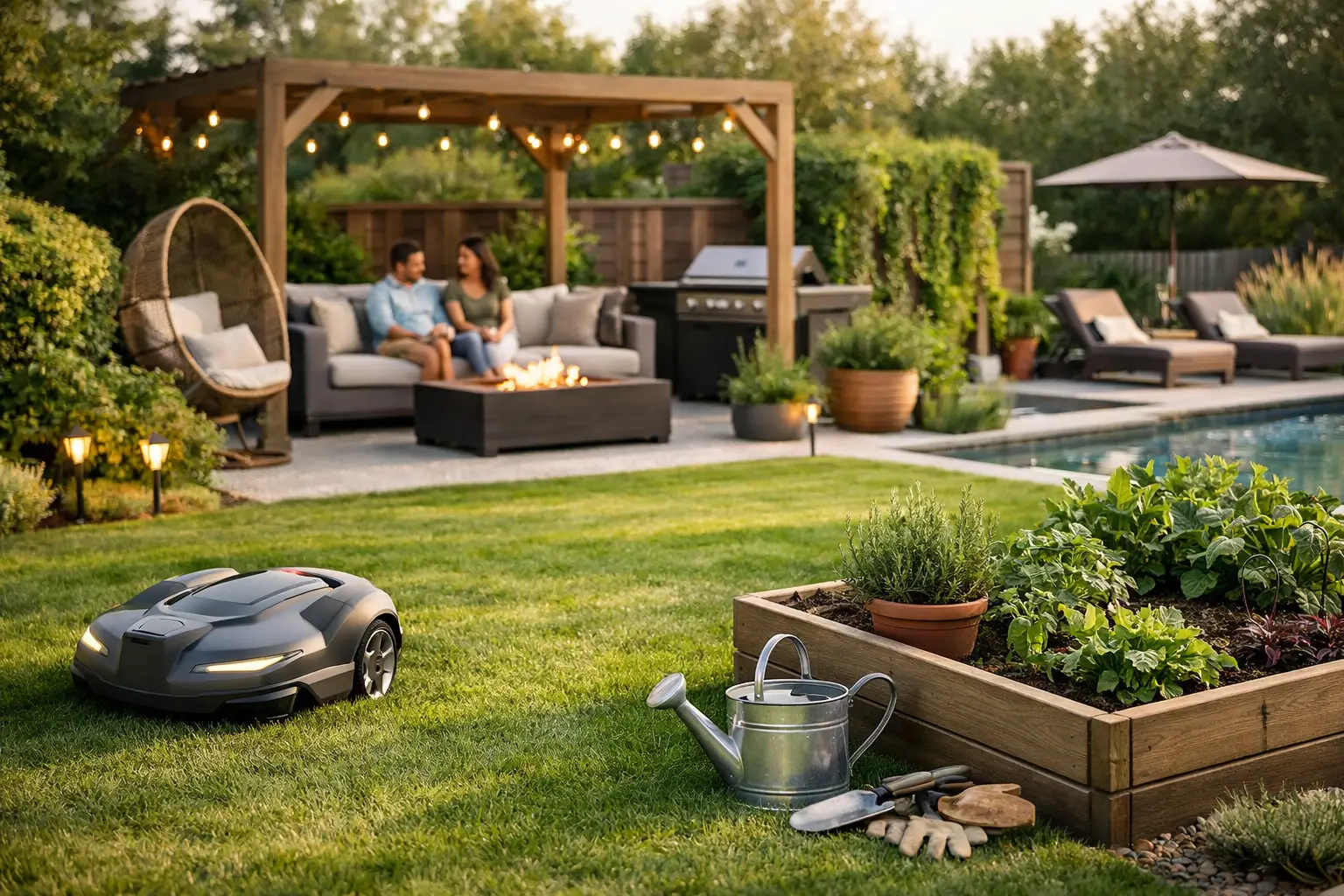
A garden does not need a full makeover to feel more useful. The garden trends gaining ground in UK homes are less about showy displays and more about creating an outdoor space that is easier to enjoy, simpler to look after and ready for real life – from a quick cuppa in the sunshine to family lunches, muddy paws and rainy-weekend tidy-ups.
The common thread is practical comfort. Think hardy planting rather than fussy beds, flexible seating instead of a patio that only works for one occasion, and storage that keeps outdoor essentials close at hand without making the garden look cluttered. The best ideas are the ones that suit your space, budget and time.
The garden is increasingly being treated as another room of the house. That does not mean buying a matching set of everything or building a costly outdoor kitchen. It means giving one area a clear purpose: somewhere to eat, read, chat or let the children play while you keep an eye on dinner.
Start with the basics. A small table and comfortable chairs can turn an unused corner into a breakfast spot. A weather-resistant rug, cushions that can be brought indoors easily, and a lantern or solar light add warmth without creating another cleaning job. If you have a larger patio, divide it into simple zones, such as dining at one end and lounging at the other.
Flexible furniture earns its place, especially in smaller gardens. Folding chairs, stackable stools and benches with storage underneath are useful when space is tight. Be realistic about the British weather, too. Furniture covers and a dry storage box can make the difference between using your setup regularly and spending every sunny day wiping it down first.
Neat lawns and perfectly clipped borders still have their fans, but many households are choosing planting that looks good without demanding constant attention. Perennials, ornamental grasses, evergreen shrubs and pots filled with reliable varieties all offer colour and texture with less replanting each season.
This approach is not about letting everything run wild. It is about choosing plants that suit the conditions you already have. A shaded side garden needs a different plan from a hot, south-facing patio. Check the likely mature size before planting, particularly near paths, doors and seating areas. A plant that looks modest at the garden centre can quickly take over a narrow border.
Container gardening remains a smart choice for renters, compact gardens and anyone who likes to change things around. Large pots create impact with fewer plants, and they can be moved to chase the sun or clear space for guests. Just remember that containers dry out faster than beds in warm weather, so they need regular watering and decent drainage.
Wildlife-friendly gardening has moved well beyond leaving a patch of grass untouched. The more practical version is a garden with small, well-placed features that support birds, bees and other pollinators while still feeling cared for.
Flowering plants with different bloom times help provide food across the growing season. A shallow water dish, topped up and cleaned regularly, can be valuable for birds and insects. Log piles and gaps beneath shrubs offer shelter, while a few seed heads left standing through autumn bring texture as well as a food source.
There is a balance to strike. A pond can be a brilliant feature, but it needs safe edges where children or pets are around. Bird feeders may bring welcome visitors, yet they also need cleaning to reduce the risk of disease. Start small and choose the features you can maintain properly.
British gardens can go from waterlogged to dry surprisingly quickly. Water-wise gardening is becoming a sensible response, not a sacrifice. It focuses on making the most of rainfall, keeping moisture in the soil and avoiding waste.
A water butt is one of the simplest additions for a shed or downpipe. Collected rainwater is ideal for many garden jobs, particularly watering pots. Mulch around plants with compost, bark or leaf mould to help slow evaporation and suppress weeds. It also gives borders a finished look.
When watering is needed, soak the soil around the roots rather than lightly spraying leaves. A thorough watering less often usually encourages stronger roots than a quick daily sprinkle. Early morning or evening watering reduces evaporation, although avoiding late-night wet foliage can be helpful where slugs and fungal problems are common.
Drought-tolerant plants can reduce pressure during dry spells, but they are not completely maintenance-free when newly planted. Most need steady watering while their roots establish. The easy option is often to combine resilient planting with better soil and a straightforward watering routine.
Few things spoil a tidy garden faster than tools, cushions, toys and hoses left wherever they landed. Good storage is one of the least glamorous garden upgrades, but it makes everyday jobs much easier.
Choose storage based on what needs to go inside. A compact box works well for cushions, hand tools and children’s outdoor bits. A taller cabinet can keep long-handled tools together. If you store fabric items, make sure they are dry before closing the lid, and allow for ventilation where possible. Damp cushions and wet covers are a fast route to mildew.
It is worth keeping the essentials near where you use them. Put a small caddy or basket close to the back door for gloves, secateurs and twine. Keep a hose reel accessible rather than buried behind pots. These small changes reduce the back-and-forth that makes garden maintenance feel like a bigger task than it is.
Outdoor lighting is shifting towards softer, purposeful placement. Rather than flooding the whole garden with bright light, focus on the routes and areas you actually use. A lit path to the shed, a gentle glow near the seating area and a clear view of steps or changes in level are often enough.
Solar lights are convenient because there is no wiring to manage, and they are ideal for marking borders and paths. Their performance depends on how much daylight the panel receives, so a deeply shaded garden may need another option. Battery-operated lanterns and rechargeable lights are handy for tables, sheds and occasional evenings outdoors.
Think about neighbours, too. Lights aimed downwards are kinder to nearby homes and less disruptive to nocturnal wildlife. A welcoming garden should not feel like a car park after dark.
You do not need to follow every garden trend at once. Pick the problem that bothers you most: nowhere comfortable to sit, too much watering, tools always in the way or a bare patio with no atmosphere. Then choose one practical improvement and give it time to prove its worth.
For a simple weekend reset, focus on four jobs:
The most successful garden is not the one that follows every fashion. It is the one that makes home life feel a little easier, from the first warm spring afternoon to the last tidy-up before winter.
