Address
86 Amesbury Road
Manchester M9 6JF United Kingdom
Do dehumidifiers work? See how they tackle condensation, damp smells and laundry, plus choose the right size for your UK home and use them efficiently.
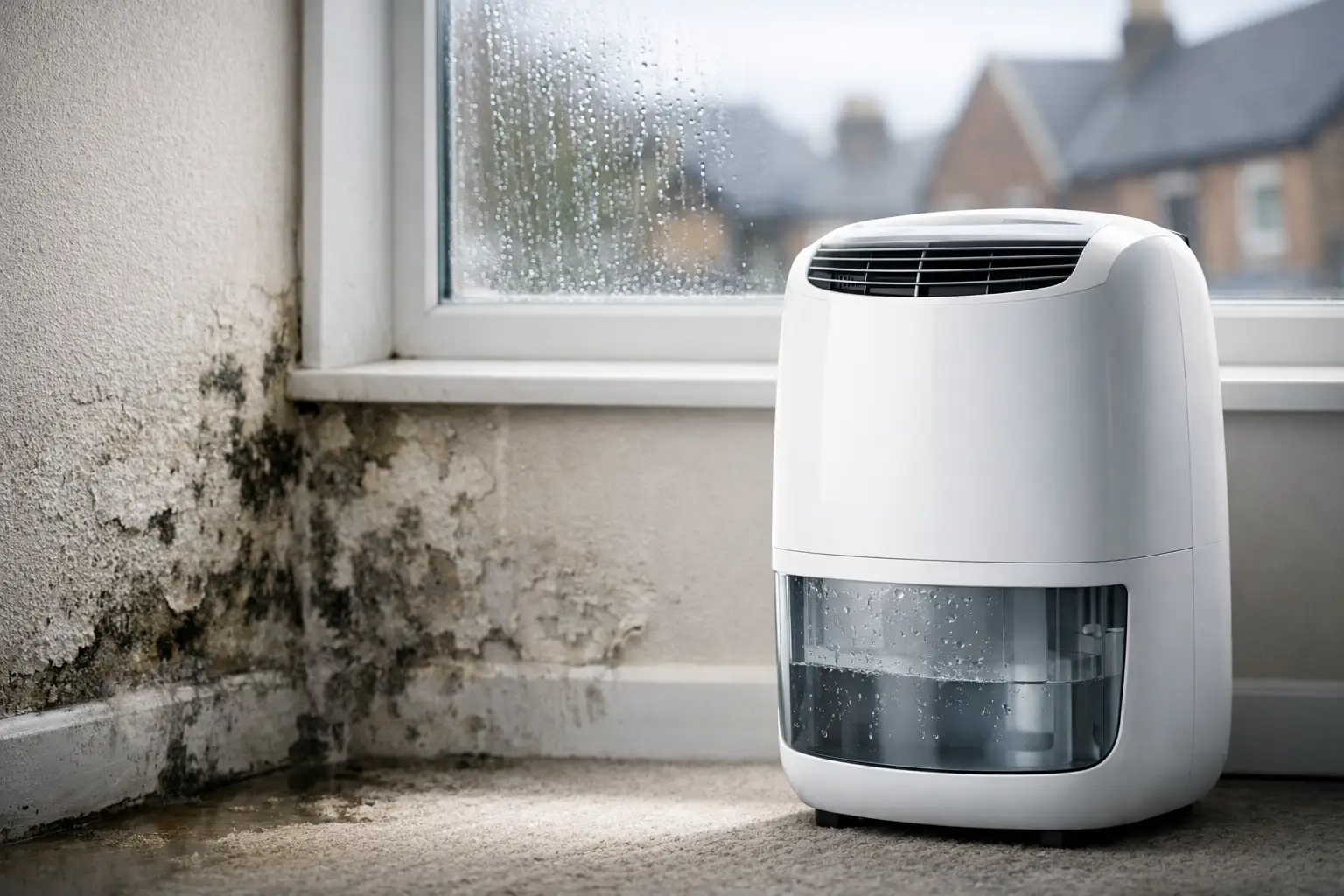
Condensation running down the bedroom window, a musty spare room or washing that seems to take days to dry can make a home feel harder work than it should. So, do dehumidifiers work? Yes – when they are used for the right problem, in the right-sized space. They remove excess moisture from the air, making everyday dampness easier to manage. They are not, however, a magic fix for a leaking roof, rising damp or a serious ventilation issue.
A dehumidifier works by drawing in moist air, removing water vapour, then releasing drier air back into the room. As it keeps cycling the air, humidity falls. This can reduce the amount of water that forms on cold surfaces such as windows, external walls and metal frames.
That matters because condensation is more than an annoying morning wipe-down. Repeated moisture can encourage mould, lift wallpaper, make wardrobes smell stale and leave clothes feeling clammy. In a typical UK home, it is especially common in colder months, when windows stay shut, central heating is on and families are cooking, showering and drying laundry indoors.
A dehumidifier is often very effective where the moisture is coming from normal day-to-day living. If the water tank is filling regularly and windows are clearer, it is doing its job. You may notice the room feels more comfortable too, even at the same temperature, because damp air can feel chilly.
The important bit is identifying the source. A dehumidifier can control the symptoms of excess humidity, but it cannot repair the cause of water entering the building. If you have a dripping pipe, damaged guttering, a roof leak, cracked external rendering or a persistent damp patch that gets worse after rain, tackle that fault first. Running a dehumidifier in these circumstances may collect water, but it will not protect the structure of the property on its own.
For many households, the biggest win is laundry. One load of wet washing can release a surprising amount of water into the air as it dries. In a small flat, a closed utility room or a house with limited outdoor drying space, that moisture has to go somewhere. It often ends up on windows and cold walls.
Using a dehumidifier in the same closed room as an airer can speed up drying and reduce the damp smell that sometimes develops when clothes take too long. Many models have a laundry setting designed to run continuously or at a higher fan speed for this purpose. Leave some space between garments, avoid overloading the airer and keep internal doors shut while it is operating. The result is usually quicker-drying washing without turning the rest of the home into a condensation trap.
They can also help in bedrooms where occupants wake to wet windows, bathrooms that stay steamy long after a shower, and spare rooms that are rarely heated or aired. A dehumidifier is useful in caravans and holiday homes as well, particularly during periods when they are closed up and unoccupied.
That said, extraction still matters. Use the cooker hood when cooking, run the bathroom extractor during and after showers, and open a window briefly where practical. A dehumidifier works best alongside these sensible habits, not instead of them.
Relative humidity is the useful figure to watch. For most homes, a reading between 40% and 60% is a sensible target. Above 60%, mould and condensation become more likely. Below about 40%, the air may feel overly dry, which can irritate skin, eyes and throats for some people.
A small hygrometer is a handy, low-cost way to stop guessing. Check several rooms at different times of day, particularly after showering, cooking or drying laundry. If one room is repeatedly much higher than the rest, that tells you where to focus your efforts.
Do not expect a dehumidifier to take a large, busy house from very damp to perfect in an hour. It needs time to pull moisture from the air, soft furnishings, carpets and walls. During the first few days, the tank may fill quickly because the machine is dealing with moisture already held indoors. Once conditions settle, it should need to work less hard to maintain the chosen humidity.
Capacity is where many buyers go wrong. A compact unit may be ideal for a box room, wardrobe area or small bathroom, but it can struggle in an open-plan living area or a house with several damp bedrooms. Look at the manufacturer’s recommended room size, then be realistic about your space, ceiling height and how damp it is.
The litres-per-day figure is useful for comparison, but it is measured in particular test conditions. Your real-world results will vary with temperature and humidity. Rather than choosing on litres alone, consider the type of room and what you need the appliance to do.
Compressor dehumidifiers are a popular choice for heated homes. They tend to be efficient in warmer indoor conditions and suit regular use in living spaces, bedrooms and laundry rooms. They may be less effective in very cool areas.
Desiccant dehumidifiers generally perform better in lower temperatures, making them a practical option for garages, conservatories, caravans, unheated utility rooms and chilly spare rooms. They can be lighter and often produce slightly warmer air, although running costs may be higher depending on the model and electricity tariff.
Also check tank size, noise level and drainage options. A larger tank means fewer trips to the sink. Continuous drainage can be very convenient where a suitable drain is available, but follow the appliance instructions carefully and make sure the hose runs downhill without kinks. For a bedroom, a quieter model or a timer can make a real difference.
Place the dehumidifier where the moisture problem is, with clear space around it so air can circulate. Keep windows and external doors closed while it is running, otherwise it will keep trying to dry the outdoors. Internal doors can be closed to focus on one room, or left open if you are using a larger unit to manage a connected area.
Set a target humidity rather than running at full power all day when the model allows it. A humidistat will switch the machine off and on to maintain the level you choose, which is simpler and usually more economical. For laundry, use the dedicated setting for a limited period, then return to normal humidity control.
Empty the tank promptly and clean the filter as recommended. A dusty filter reduces airflow and performance. If the unit is used in a bathroom or utility space, keep it safely away from splashes and never position it where it could block an exit or become a trip hazard.
It is also worth keeping expectations sensible. A dehumidifier will not make a cold, poorly insulated wall warm. Improving insulation, addressing draughts and maintaining consistent background heat can all reduce condensation risk. Equally, do not seal a home so tightly that moisture has no route out. Balanced ventilation and moisture control are the easy-peasy combination.
If mould returns rapidly despite controlled humidity, or a wall feels wet rather than merely cold, seek advice from a qualified professional. Peeling paint, crumbling plaster, tide marks near the floor, a strong persistent odour and damp that appears after rainfall all point to an issue that needs investigation.
For ordinary household moisture, though, a well-chosen dehumidifier can be one of the most useful tools in the cupboard. Start with a humidity reading, use it where the moisture is being created, and give it a few days to show the difference. Clearer windows and fresher-drying laundry are often the first signs that home life is about to get a little easier.
