Address
86 Amesbury Road
Manchester M9 6JF United Kingdom
Learn how to prepare your garden for autumn with simple UK-friendly jobs for lawns, beds, pots, wildlife and tools before wet weather arrives in earnest.
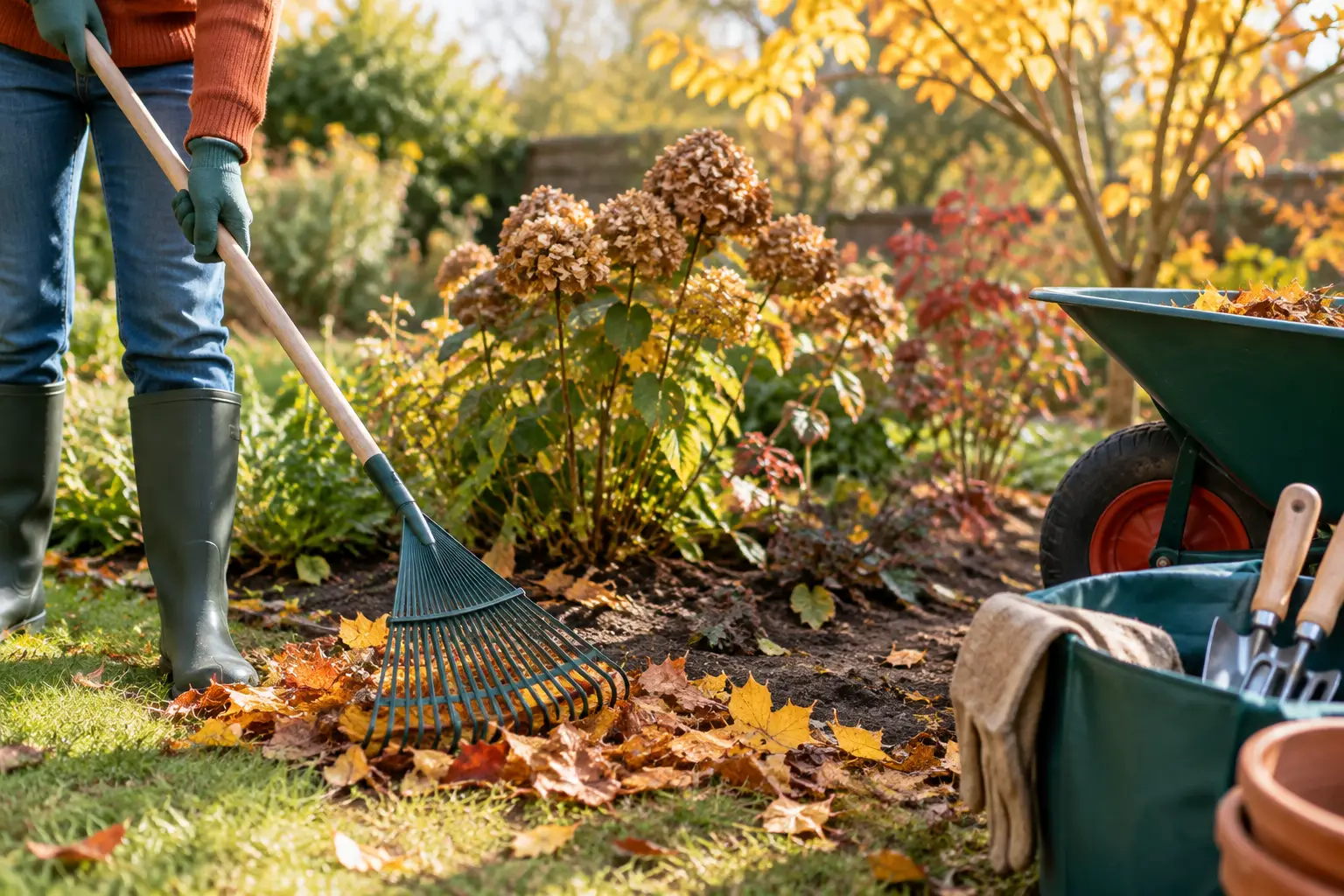
The first cool morning is your cue to act. Knowing how to prepare your garden for autumn means getting a few worthwhile jobs done while the soil is still workable, rather than facing a sodden, overgrown patch in November. A little effort now helps plants through winter, keeps paths safer and gives you a much easier start when spring returns.
Autumn gardening in the UK is rarely about making everything look perfect. It is about tidying with purpose, protecting what needs protection and letting nature do some of the work for you.
Begin with a slow walk around the garden, basket or garden waste bag in hand. Remove fallen fruit, collapsed annuals, weeds that have gone to seed and any diseased leaves. Black spot on roses, mildew on courgettes and blight-affected tomato foliage should not go into a home compost heap, as spores can survive and cause trouble next year.
Do not be too keen to clear every leaf or cut every faded stem. Healthy leaves can become useful mulch, while seed heads on plants such as echinacea and rudbeckia give birds something to eat. Hollow stems can also provide shelter for insects over winter. The trick is to tidy the areas that need attention while keeping a few quieter corners for wildlife.
If you have a compost bin, layer soft green material such as fresh weeds and vegetable peelings with brown material including dry leaves, shredded cardboard and small twigs. A compost heap should feel lightly damp, not soaking wet. Turning it once if you can will help air reach the material and speed up the process.
Once you can see the soil again, turn your attention to beds and borders. Pull annual weeds before they settle in for winter, then lightly fork compacted soil without disturbing established plant roots. There is no need to dig deeply in every border. In fact, leaving soil structure largely intact is often kinder to worms and other useful soil life.
Spread a generous layer of garden compost, well-rotted manure or leaf mould around shrubs, perennials and roses. Keep it a few centimetres away from stems and trunks to avoid rot. This mulch helps hold moisture, moderates temperature changes and improves the soil as worms draw it down.
Autumn is also a good planting season for many hardy shrubs, trees and perennials. The ground still holds summer warmth, while regular rainfall reduces the watering workload. Plant before the ground becomes waterlogged or frozen, firm the soil around the roots and water thoroughly after planting.
For spring colour, plant bulbs such as daffodils, crocuses, alliums and tulips. Choose a sunny, freely draining spot where possible. Daffodils and crocuses can go in earlier; tulips are often best planted later in autumn, when cooler conditions can reduce the risk of disease.
A lawn usually keeps growing while temperatures remain mild, so do not pack away the mower too early. Continue cutting on dry days, but raise the cutting height as autumn progresses. A slightly longer lawn copes better with damp weather and cold snaps than one cut very short.
Rake up heavy layers of leaves, especially from the grass. A thin scattering is fine, but a thick wet blanket blocks light and airflow, encouraging yellow patches and fungal problems. Run a garden fork or lawn aerator across compacted areas to make small holes in the surface. This improves drainage and helps roots access air.
If your lawn looks thin, early autumn can still be a useful time for overseeding, provided there is enough warmth and moisture for germination. Avoid feeding with a high-nitrogen summer fertiliser at this point. An autumn lawn feed is lower in nitrogen and designed to support roots rather than pushing soft, leafy growth.
Containers feel cold faster than garden soil, and their roots are more exposed to wind and frost. Move tender plants close to a sheltered wall, into a cold frame, greenhouse or bright frost-free space where suitable. Check each plant’s needs first: some need protection from frost, while others need to stay cool and dry rather than warm and humid.
Raise outdoor pots on feet, bricks or purpose-made pot risers so drainage holes do not become blocked. Waterlogged compost is a common reason plants fail over winter. Remove saucers where they collect rain, and check that large pots are stable before autumn gales arrive.
For plants staying outside, wrap the pot itself with horticultural fleece, hessian or bubble wrap designed for gardening. Cover the plant only during a hard frost and remove coverings when conditions improve, so light and air can still reach it. Evergreen plants in pots may need occasional watering during dry winter spells, as rain often misses the compost beneath dense foliage.
Harvest what is ready, including green tomatoes that can finish ripening indoors. Clear spent bean and pea plants, but leave their roots in the ground if possible. As legumes, they can leave nitrogen-rich nodules behind for the next crop.
Brassicas, leeks, parsnips and hardy salad leaves may carry on through the colder months. Net brassicas securely if pigeons are a problem, and remove yellowing leaves that sit against the soil. Empty beds can be covered with compost and left ready for spring, or sown with a green manure if you have time and want to protect bare soil.
It is worth making a quick note of what worked and what did not. Perhaps the runner beans shaded the lettuce, or the tomatoes needed better airflow. A few notes now are far more useful than trying to remember next March.
A well-prepared garden can still be a lively one. Leave a small pile of dry sticks and logs in a tucked-away spot for beetles, frogs and hedgehogs. If you have a pond, remove only enough fallen leaves to keep the surface partly clear. Do not break ice if the pond freezes, as the shock can harm wildlife beneath it. Instead, place a pan of warm water on the ice to melt a small opening.
Keep bird feeders clean and topped up as natural food becomes scarcer. Fresh water matters too, particularly when temperatures drop. A shallow dish with a stone or two in it gives smaller birds and insects a safer place to drink.
Mud left on tools holds moisture against metal and shortens their working life. Brush off soil, wash stubborn dirt away and dry spades, forks, trowels and secateurs before storing them. Sharpen blunt blades and lightly oil moving parts, especially on pruners and loppers.
Drain hoses and irrigation equipment before a hard frost, then store them out of direct weather if possible. Check watering cans, wheelbarrows and garden furniture for cracks, loose fixings or rust. These small maintenance jobs are quicker now than when you need the item in a hurry next spring.
A practical stock-up of gloves, garden waste bags, secateurs, fleece and storage hooks can make the season’s jobs far less of a faff. EasyPeasyMate is built around those everyday essentials that help you get on with the job without making extra trips.
Autumn jobs do not need to happen in one long weekend. Wet grass should not be mown, frozen soil should not be dug and waterlogged borders are best left alone until they dry out. Use fair, dry spells for pruning, mowing and clearing, then save sheltered jobs such as cleaning tools, sorting pots or planning bulbs for rainy days.
Be cautious with pruning. Many shrubs benefit from a light tidy, but hard pruning at the wrong time can remove next year’s flowers or expose tender growth to frost. Spring-flowering shrubs generally set their buds before winter, so focus on removing dead, damaged or crossing branches unless you know the plant needs an autumn cut.
A garden does not need to look bare to be ready for the colder months. Leave it protected, drained, fed and a little bit wild in the right places, then enjoy the satisfaction of opening the back door to a space that is already quietly working for next year.
