Address
86 Amesbury Road
Manchester M9 6JF United Kingdom
Flea collar vs spot-on treatment: compare duration, speed, safety and value to choose the right flea protection for cats and dogs at home this summer.
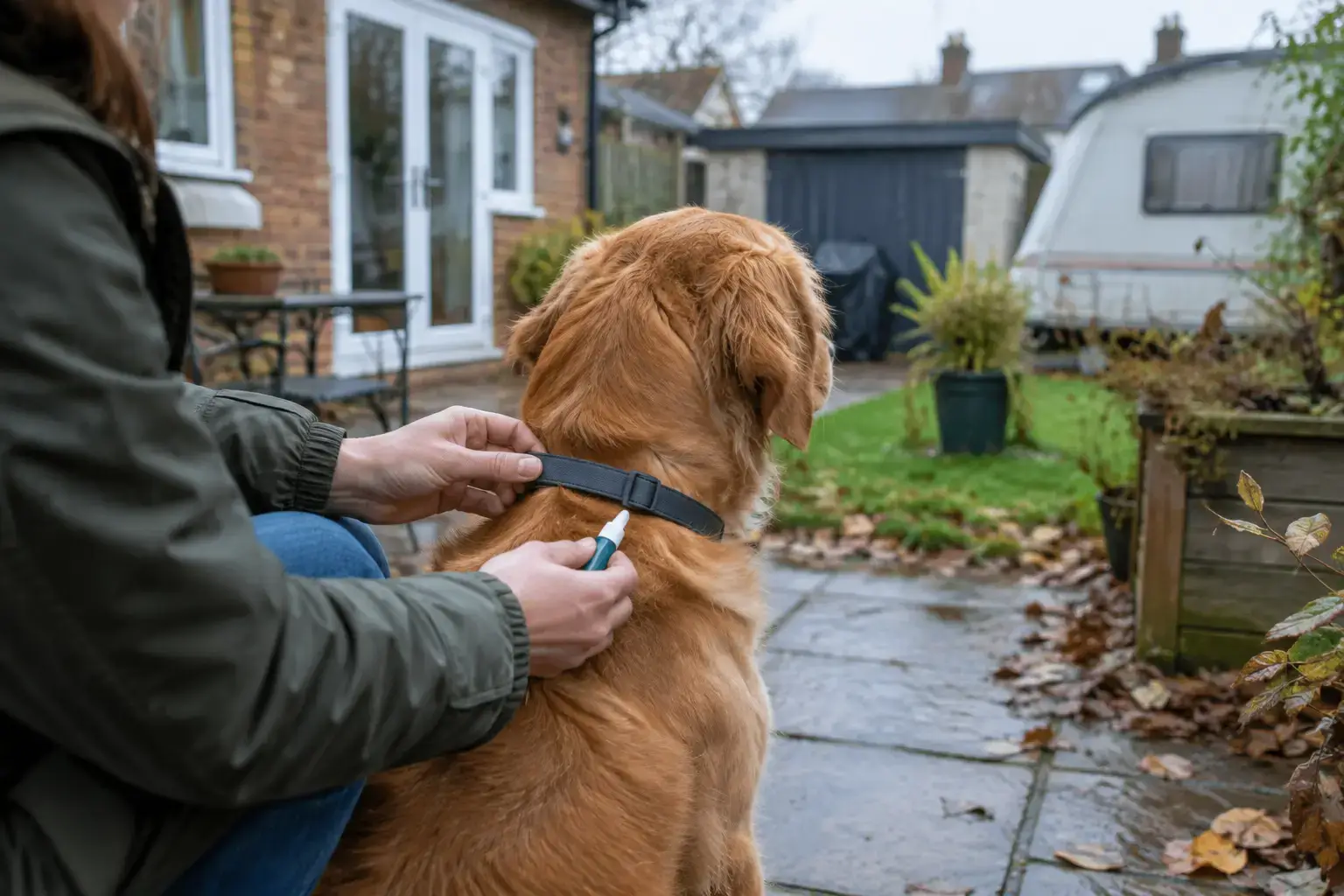
Finding fleas on the sofa, in the dog’s bed or hopping through your cat’s coat is enough to make any pet owner reach for the quickest fix. But the flea collar vs spot-on treatment choice is not simply about what is easiest to buy. The right option depends on your pet, your household, the level of infestation and how reliably you can keep up with treatment.
Both formats can be effective when used properly. A collar offers long-term, low-effort protection, while a spot-on treatment is usually applied monthly and can be a handy choice when you want a familiar, targeted routine. Here is how to make a practical decision without overcomplicating it.
A flea collar sits around your pet’s neck and releases active ingredients gradually over a set period. Depending on the product, it may kill fleas, repel them, tackle ticks too, or do a mixture of these jobs. Some collars last for several months, which makes them appealing for busy homes.
A spot-on treatment comes in a small pipette. You part the fur and apply the liquid directly onto the skin, usually at the back of the neck where your pet cannot easily lick it. The treatment spreads through the skin’s oils or is absorbed in a way that allows it to work against fleas for the stated period, commonly around four weeks.
The main trade-off is simple: collars tend to offer longer-lasting convenience, while spot-ons give you a regular monthly check-in. Neither is automatically better for every dog or cat.
A collar can be a very sensible pick if remembering monthly dates is a challenge. Once fitted correctly, there is no need to handle a pipette every few weeks. For households juggling work, school runs, gardening and everything else, that is a genuine advantage.
Collars are also useful for pets that dislike being held still for applications. A well-fitted collar should allow two fingers to fit between the collar and your pet’s neck. Trim off excess length if the instructions say to do so, especially for curious dogs that may try to chew a dangling end.
Long-lasting protection can represent good value, too. The upfront cost may be higher than a single spot-on dose, but compare the collar’s stated duration with the cost of several monthly treatments. A collar that lasts many months may work out cheaper over the season.
There are limits. Some pets find collars irritating, particularly if they have sensitive skin or wear other collars and harnesses that rub the same area. A collar can also be unsuitable for a pet that spends lots of time rough-and-tumbling with other animals, as it may get caught or be chewed. Breakaway safety collars and flea collars are not always interchangeable, so check the manufacturer’s guidance before combining products.
Spot-on flea treatments are popular because they are compact, straightforward and easy to replace as part of a monthly routine. They can be especially practical for cats that do not tolerate collars, or for dogs that are frequently bathed, swim often or play hard outdoors.
Application matters. Use the product made for your pet’s species and exact weight range, then place it on bare skin rather than on top of the fur. With larger dogs, some products need to be applied at more than one point along the back. Read the packet each time, even if you have used a similar product before.
For many owners, the monthly schedule is helpful rather than inconvenient. It is an opportunity to check your pet’s coat, skin and weight, and to make sure the whole household’s flea plan is still on track. Add a reminder to your phone or calendar so a busy month does not turn into a treatment gap.
The downside is that spot-ons need consistency. Missing an application can leave your pet less protected, and bathing or getting the application site wet too soon may affect certain products. Keep children and other pets away from the application area until it is fully dry, following the label instructions.
If you already have fleas in the home, neither a collar nor a spot-on should be treated as a standalone miracle fix. Adult fleas on your pet are only part of the problem. Eggs, larvae and pupae can remain in bedding, carpets, cracks by skirting boards and soft furnishings, then emerge later.
Check how quickly a product is designed to kill fleas and whether it repels them before they bite. These are different jobs. A treatment that kills fleas after contact can still be highly useful, but it may not prevent every bite. If tick protection matters as well, perhaps because your dog walks through long grass, make sure the product is specifically approved for ticks.
Duration is where collars often stand out. A long-lasting collar may cover a full season with one fitting, whereas spot-ons are generally renewed every month. Yet value is not only about the price per dose. If a collar is lost, damaged or removed regularly, its apparent savings can disappear. If you are confident with a monthly routine, spot-on treatment may be the better-value, dependable choice.
Never use a dog flea product on a cat unless the label clearly says it is safe for cats. Some active ingredients that are suitable for dogs can be extremely dangerous to cats. Likewise, do not split large-dog doses between smaller pets or use an adult product on a young puppy or kitten unless it is approved for their age and weight.
It is wise to speak to a vet before choosing flea control for a pregnant or nursing pet, a pet with a medical condition, or one that has had a previous skin reaction. If your pet develops redness, itching, hair loss, drooling, vomiting, unusual behaviour or seems unwell after treatment, remove a collar where relevant and contact a vet promptly. Keep the packaging to hand so you can provide the product details.
Be cautious when using more than one parasite treatment at once. A collar, spot-on, flea spray and oral treatment may all contain active ingredients. Combining them without professional advice can be unsafe. More treatment does not necessarily mean better protection.
If fleas have taken hold, tackling every pet in the home at the same time is usually essential. Treating one dog while leaving the cat untreated can keep the cycle going. Choose age- and species-appropriate products for each animal rather than assuming one solution fits all.
Wash pet bedding, blankets and removable covers on the hottest safe setting. Vacuum carpets, rugs, sofas, pet sleeping areas and along room edges thoroughly, then empty the vacuum outside where possible. Repeat regularly while you are dealing with an infestation, as new fleas may emerge over several weeks.
A household flea spray may be useful in some situations, but use only products intended for indoor use and follow the safety instructions closely. Keep pets, children and fish tanks away as directed. If the problem is persistent or severe, a vet or professional pest controller can help you work out the next sensible step.
Think about your real routine rather than the ideal one. A flea collar may be the easy answer for a healthy dog that keeps a collar on safely and whose owner wants longer-lasting cover. Spot-on treatment may suit a cat that rejects collars, a pet with a sensitive neck, or a household that prefers a regular application routine.
Also consider your pet’s lifestyle. An indoor cat may need a different approach from a dog that charges through woodland every weekend. A home with several pets, young children or frequent visitors needs extra care around product handling and drying times. The label is not a small-print extra – it is the practical instruction sheet that tells you whether a product fits your situation.
EasyPeasyMate shoppers know that small routines can save a great deal of hassle later. Pick the flea treatment you can use correctly, set a reminder if needed, and pair it with regular cleaning. Your pet gets more comfortable days, and you get a home that feels properly your own again.
