Address
86 Amesbury Road
Manchester M9 6JF United Kingdom
Choose the right tarpaulin for gardens, DIY, cars and camping. Learn sizes, materials, fittings and simple care tips for dependable cover in all weather.
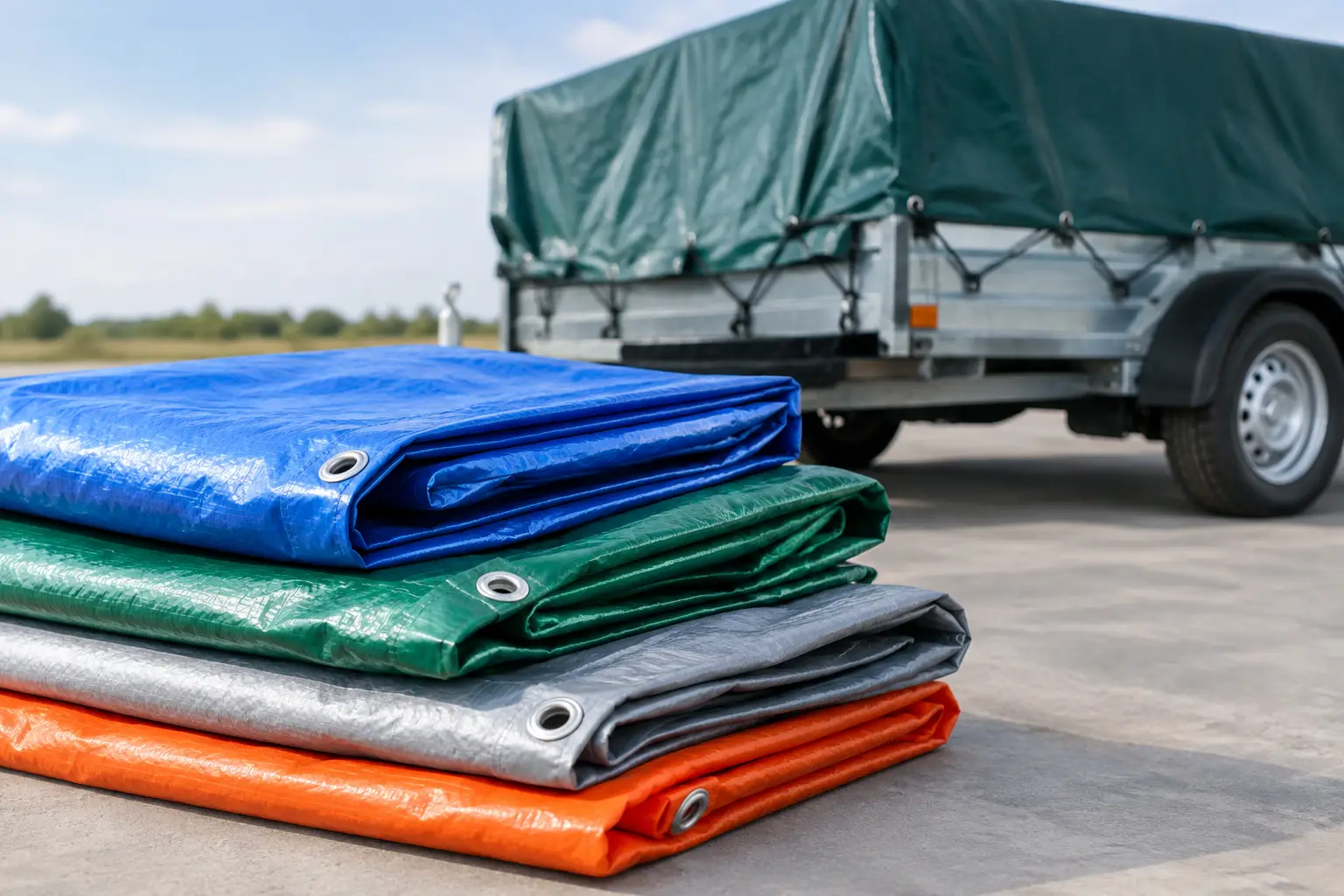
A tarpaulin can be the difference between a dry stack of logs and a soggy pile, a clean patio project and a paint-splattered one, or protected garden furniture and a surprise bill next spring. It is a simple bit of kit, but choosing the wrong cover often means it tears, pools with rainwater or blows loose at the first gust.
For homes, gardens, cars, caravans and weekend DIY jobs, the best tarpaulin is not always the thickest or biggest one. The right choice comes down to what you are covering, how long it will stay outside and how securely you can fix it in place.
A tarpaulin, often shortened to a tarp, is a flexible waterproof or water-resistant sheet used to cover, protect, contain or separate. Around the home, it earns its keep in more ways than most people expect. Lay one down before decorating to protect flooring, cover garden furniture between uses, keep a log store dry, line the boot for messy garden centre trips or shield a bike from dust in the shed.
Outside, tarps are especially useful when the British weather changes its mind halfway through the day. They can protect tools during a garden clear-out, cover sand or aggregate, provide a temporary rain cover while camping, and keep caravan accessories together and dry. A clean sheet can also make light work of collecting hedge clippings or leaves: rake waste onto it, gather the corners and carry it to the green bin.
A tarp is a practical temporary cover, not a substitute for a purpose-made roof, permanent shelter or vehicle cover. If water is likely to sit on top for days, or wind can get underneath, even a good-quality sheet will have a hard time.
Most household tarps are made from polyethylene, often called poly tarp. These are lightweight, waterproof, easy to fold and well suited to general garden and DIY use. They are usually the sensible all-round option when you need reliable cover without adding unnecessary weight.
Heavier-duty polyethylene tarps have a denser weave and tend to cope better with repeated use, rougher surfaces and longer periods outdoors. They are a better bet for covering logs, garden machinery, building materials or items stored outside through a season. The trade-off is that they are bulkier to handle and may cost more, but replacing flimsy covers every few months is rarely the better value choice.
Canvas tarps are hard-wearing and breathable, making them useful where condensation is a concern. A breathable cover can help protect items such as timber or certain equipment that should not be sealed into a damp space. However, canvas is heavier than poly tarp and may need waterproof treatment to keep rain out effectively.
Mesh tarps serve a different purpose. They allow air and some water through while helping contain loads or provide shade. They are useful for garden waste, trailers and windbreak-style screening, but they are not the answer if your main aim is keeping something dry.
Measure the item you want to cover, then allow extra material for the drop down the sides and for fastening. A tarp that only reaches the edges of a garden table, woodpile or trailer bed leaves little room to secure it. Wind can then lift the corners and turn a straightforward cover into a sail.
For a rectangular item, measure its length, width and height. Add the height twice to both the length and width, then allow a little extra for overlap. For example, a 2 metre by 1 metre stack that is 1 metre high needs more than a 2 metre by 1 metre sheet. A tarp around 4 metres by 3 metres gives enough material to cover the top and sides properly.
Do not assume the stated size is always the finished usable size. Some tarps are cut from a larger sheet before hems, reinforced edges or eyelets are added. Check the product details if exact coverage matters, particularly for a caravan awning area, a trailer load or a made-to-measure storage space.
The small details decide whether a tarp is easy to live with. Eyelets let you fasten the sheet with rope, bungee cords, hooks or pegs. Metal eyelets at regular intervals are useful for keeping tension even and reducing loose flapping sections. Reinforced corners are worth having too, as corners usually take the most strain.
A rope-reinforced hem gives the edge more strength than a thin cut plastic border. This matters when the tarp is pulled tight, tied down or used repeatedly. For garden furniture that is only covered occasionally, a lighter sheet may be perfectly adequate. For regular outdoor storage, choose stronger edging and more substantial eyelets.
Thickness is sometimes shown in grams per square metre, known as GSM. A higher GSM generally means a thicker, tougher tarp, although the quality of the weave and reinforcement still matter. Light-duty sheets are handy for decorating, temporary ground cover and short jobs. Medium or heavy-duty options make more sense for wet-weather garden storage and regular DIY work.
A waterproof tarp cannot do its job if rainwater collects in the middle. Create a slope wherever possible, so water runs off rather than forming a heavy pool. Cover a woodpile from the top and sides but leave airflow around the base. Wrapping logs completely can trap moisture and slow down drying.
Use every practical eyelet rather than tying just two corners. Bungee cords are useful because they provide a little give in windy conditions, while rope can be better for a firm, adjustable tie. Avoid pulling the sheet so tight that eyelets are under constant strain. It should be secure, with enough shape to shed water, not stretched to its limit.
For patio furniture, remove loose cushions first and place a raised object under the centre of the tarp to create a gentle peak. For a trailer or wheelbarrow, make sure the cover is tucked and tied so nothing can escape from the sides. Never rely on a tarp alone to secure a load for transport. Use suitable load restraints and follow road safety requirements.
Keep tarps away from sharp corners, hot exhausts, open flames and rough surfaces that can rub holes through the material. If you are covering a car, motorbike or caravan, avoid trapping grit between the sheet and paintwork. A dedicated breathable vehicle cover is often the safer choice for long-term protection.
A good tarp becomes one of those useful items you reach for without much thought. Keep one folded in the shed, garage or car boot and it will soon prove its value. It can protect flooring while you paint, provide a clean surface for potting up plants, cover a paddling pool overnight, or shield outdoor toys when rain is due.
For gardening, use it to keep soil off paving while repotting, collect prunings, protect a compost heap from excess rain or cover freshly delivered bags of bark. If you are tackling a messy job indoors, a lightweight tarp can protect carpets and make clean-up faster. Just make sure it lies flat and does not create a slip hazard.
For camping and caravanning, tarps can offer useful extra weather protection around an entrance or cooking area. Position them carefully, keep them well away from any heat source and check that water cannot run towards the tent, caravan door or electrical connections.
After use, brush off leaves, soil and standing water before folding the tarp away. If it is muddy, rinse it with clean water and let it dry fully. Storing a damp tarp in a tight bundle encourages mildew and can leave unpleasant smells for the next job.
Check eyelets, corners and folds before each use. Small holes can often be patched early with a suitable repair tape or tarp repair patch. If a cover has become brittle, badly torn or has weakened eyelets, it is time to replace it rather than risk the contents underneath.
Fold it loosely along existing creases and store it somewhere dry, out of direct sunlight where possible. UV exposure gradually weakens many plastic tarps, so even an outdoor-rated cover will last longer when it is not left out unnecessarily.
The easiest choice is usually to keep one lightweight tarpaulin for quick indoor and garden jobs, plus a tougher one for regular outdoor cover. Pick a size with room to fasten, give rainwater somewhere to run, and your next messy job will feel a good deal more easy peasy.
