Address
86 Amesbury Road
Manchester M9 6JF United Kingdom
Make every mealtime easier with a smart pet feeding station setup. Find simple ideas for bowls, storage, placement, cleaning and comfort.
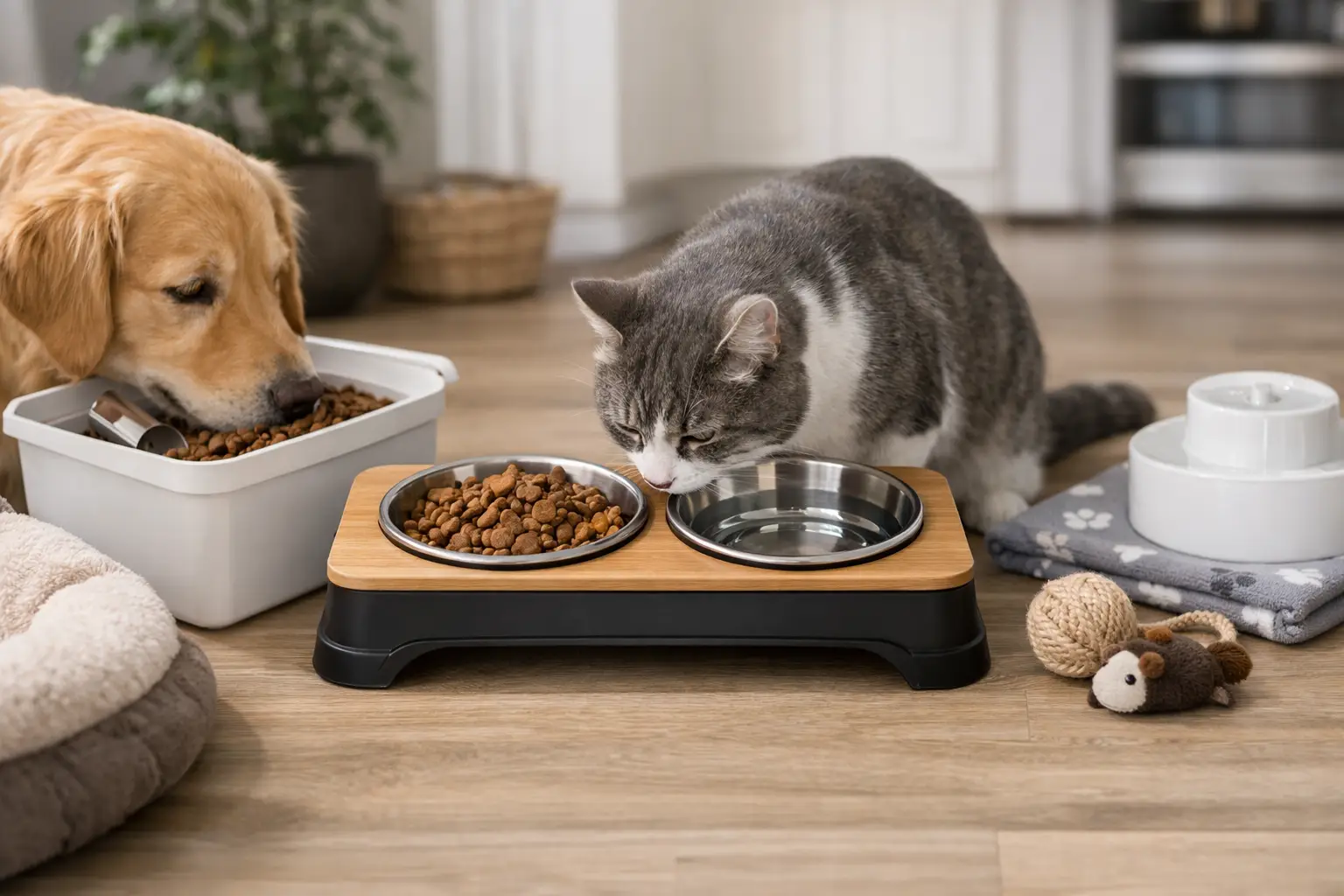
The quickest way to make pet mealtimes less messy is usually not buying more stuff – it is putting the right things in the right place. A good pet feeding station setup keeps bowls steady, food easy to reach, floors cleaner and daily routines far less fiddly. If you are stepping over kibble, wiping splashes off skirting boards or hunting for the scoop every morning, a few simple changes can sort it.
A feeding station does not have to look fancy or take up much room. It just needs to work for your pet and for the way your home runs day to day. For most households, that means one dedicated area for bowls, food storage and quick clean-up, all arranged so feeding feels easy rather than chaotic.
The best setup balances three things – comfort for your pet, convenience for you and cleanliness for the surrounding area. Miss one of those, and the whole thing becomes annoying. A station that looks tidy but is awkward to refill will get abandoned. One that is practical but always ends up splashing water across the floor will still create extra jobs.
That is why the most useful feeding stations are usually the simplest. A stable mat, the right bowls, sensible storage and a spot that suits the household flow often do more than an overcomplicated unit with extras you never use.
Location matters more than people expect. Put bowls in a busy walkway and someone will kick them. Place them too near a door and nervous pets may rush or hesitate while eating. Set them beside a radiator and water can warm up quickly, while dry food may not stay as fresh if stored nearby.
A quiet corner of the kitchen, utility room or dining area often works well because it is easy to wipe down and close to food prep and water. That said, it depends on your home and your pet. Some dogs are happy eating wherever you put the bowl. Some cats prefer a calmer, less exposed spot where they can eat without noise, foot traffic or another pet hovering nearby.
If you have more than one pet, spacing becomes even more important. Not every dog or cat wants company at mealtimes. Separate bowls with a bit of distance can reduce guarding, tension and rushed eating. In smaller homes, even turning feeding stations to face different directions can help.
The bowl itself affects more than appearance. Heavy bowls tend to slide less, which is helpful for enthusiastic eaters. Stainless steel is popular for good reason – it is durable, easy to clean and does not hang on to smells the way some materials can. Ceramic can look smart and stay put well, but it needs checking for chips. Plastic is lightweight and affordable, though it can scratch over time and be harder to keep fresh.
Raised bowls can be useful, but they are not a must for every pet. For larger dogs, older pets or those with stiffness, a stand may make eating more comfortable. For small pets, a bowl on the floor is often perfectly fine. This is one of those areas where copying a trend is less helpful than watching your own pet. If they eat comfortably, finish meals without strain and do not make a huge mess, your current height may already be right.
Under the bowls, a mat earns its place quickly. It catches drips, stops movement and makes cleaning faster. Choose one big enough to deal with splash and crumbs, not just one that fits exactly under the bowl bases. A wipe-clean surface is usually the sensible option, especially in busy family homes.
The easiest pet feeding station setup includes storage close by. Keeping food in a separate cupboard at the other end of the kitchen does not sound like a problem until you are doing it twice a day, every day, with a pet weaving around your ankles.
A sealed container near the feeding area keeps dry food tidier and often fresher. It also stops half-open bags slumping over, spilling or taking up awkward space. If you use pouches, tins or treats as part of the routine, a nearby basket or small storage caddy can keep everything together.
Think beyond the food itself. The scoop, a spare bowl, pet-safe cleaning cloths and a roll of kitchen towel all make sense in or near the same zone. This is where a setup becomes genuinely useful rather than just neat to look at. When every mealtime tool lives in one place, feeding becomes one simple job instead of three small ones.
Most feeding station frustration is really cleaning frustration. Water splashes, wet food smears, crumbs stick to grout and suddenly a small corner of the room always looks untidy. The answer is not constant wiping. It is choosing surfaces and layouts that make mess less likely in the first place.
Hard flooring is the easiest option, but many homes do not have a choice. If bowls sit near carpet, use a generous mat and place water where enthusiastic drinking will not spray too far. Positioning the station against an easily wiped wall can help, but leave enough space to clean behind it. Cramming bowls into a tight gap often creates a dirt trap.
A quick daily wipe and a proper bowl wash are usually enough, but weekly deeper cleaning keeps smells and residue under control. Wash mats, clean storage bins and check around edges where crumbs collect. Small habits here save bigger clean-ups later.
Dogs and cats do not always want the same thing from a feeding area. Dogs usually cope well with a visible, practical station in a family space. They are often happy if food appears on time and the bowl does not skid across the room. Cats can be fussier. Many prefer water slightly away from food, and they often appreciate a quieter area where they are not startled mid-meal.
In mixed-pet homes, planning matters more. A dog that raids the cat bowl can turn feeding time into a daily nuisance. Elevating the cat’s feeding spot, using a separate room or scheduling meals differently can make life easier. Convenience matters, but so does giving each pet a space where they can eat calmly.
If your pet is older, very young or has mobility issues, adapt the station to match. Non-slip surfaces, easy-access bowls and a location without stairs or obstacles can make a real difference. The best setup is not the most stylish one. It is the one your pet can use comfortably every single day.
There is no rule that says you need a full feeding unit. In many homes, two good bowls, a quality mat and airtight food storage are enough. If the area stays tidy, your pet is comfortable and feeding feels easy, that is a successful setup.
An upgrade makes sense when there is a clear problem to solve. Maybe bowls slide, food bags clutter the cupboard, or mealtimes are awkward because nothing is stored together. Maybe your pet needs a more supportive height, or your kitchen corner needs a neater, more contained arrangement. Buy to fix a real issue, not just because a matching set looks tempting.
That practical approach tends to work best for busy households. It saves space, cuts waste and leaves you with a pet feeding area that genuinely earns its keep. That is very much the EasyPeasyMate way – straightforward products, sensible choices and fewer everyday hassles.
Once the basics are right, the finishing touches matter. Keep fresh water easy to refill. Avoid putting food where direct sun hits it. Check that containers open easily and close properly. Make sure children know the feeding area is not a play zone. If your pet is messy, keep a cloth nearby instead of promising yourself you will fetch one later.
It is also worth reviewing the setup after a week or two. Real life shows you what works. You might find the mat needs to be larger, the storage better placed or the second bowl moved a little further away. Good organisation is rarely about getting it perfect on day one. It is about noticing what makes the routine smoother and adjusting from there.
A smart feeding station should quietly make your day easier. If it keeps mealtimes cleaner, calmer and quicker, you have got it right.