Address
86 Amesbury Road
Manchester M9 6JF United Kingdom
See the smart home storage trends making daily life easier, from multi-use furniture to hidden organisers and flexible storage for busy UK homes.
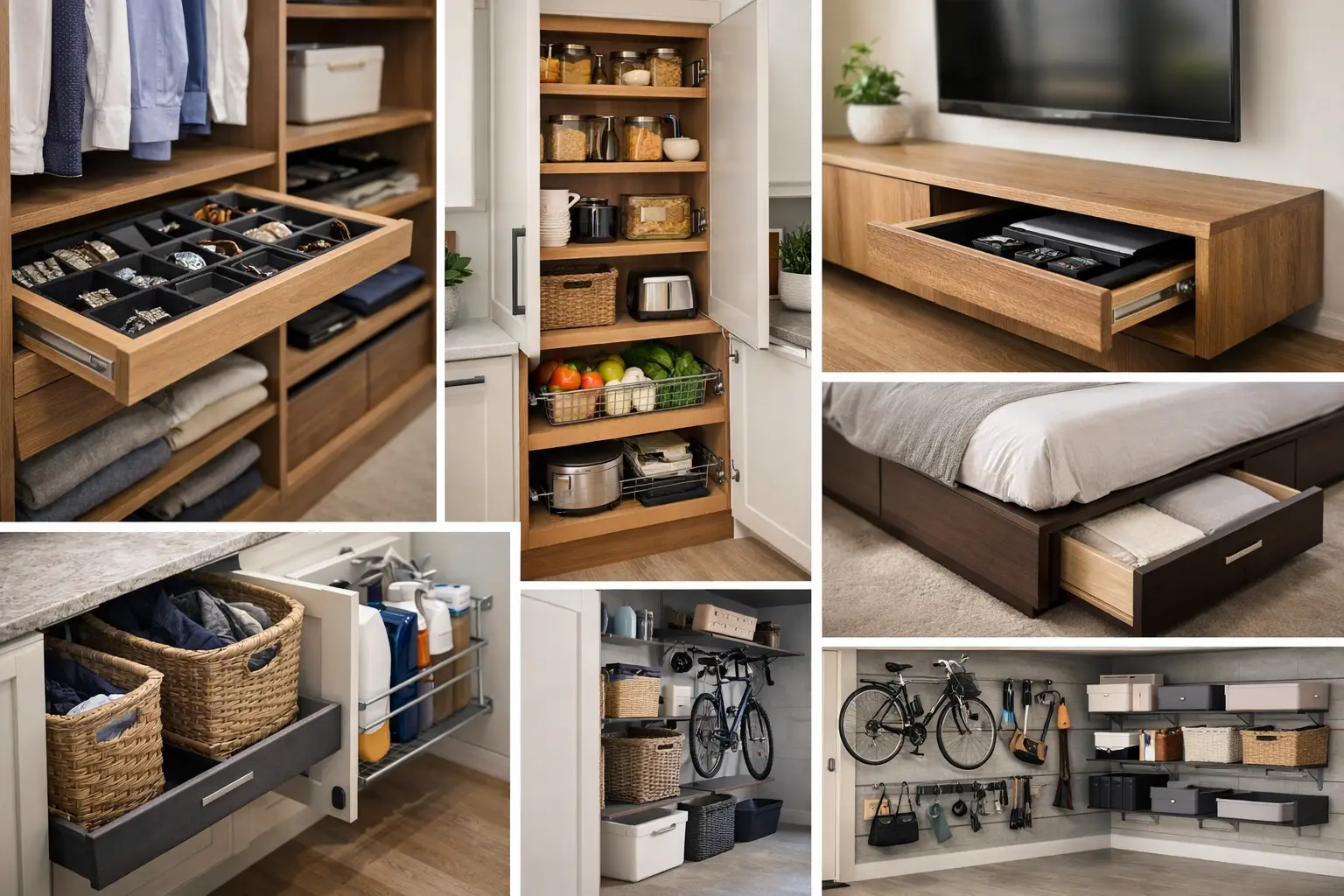
Cupboards that looked tidy in January have a funny way of becoming chaos by spring. A drawer turns into a junk drawer, the utility area starts swallowing spare batteries and pegs, and suddenly the hallway is home to shoes, bags and parcels. That is exactly why smart home storage trends are getting more practical. People are not chasing showroom perfection. They want storage that helps real homes run better, with less faff and less wasted space.
For most households, the big shift is simple. Storage is no longer just about hiding clutter. It is about making everyday jobs quicker, keeping essentials easy to reach and helping each room do more. The best ideas are not always expensive or high-tech either. In many cases, the most useful trends are the ones that quietly solve awkward problems.
A few years ago, storage trends often leaned decorative. Matching baskets, open shelving and picture-ready pantries had their moment. They still have a place, but the focus has changed. Now, people are looking for systems that work with busy routines, smaller rooms and mixed-use spaces.
That matters in UK homes, where spare space is often limited. A box room may double as an office. A kitchen may need to handle cooking, homework and parcel storage all in one day. So when we talk about smart home storage trends, we are really talking about flexible, hard-working solutions that make a home easier to manage.
One of the clearest trends is multi-use storage. Furniture and accessories now need to earn their place. A bench is better if it stores shoes. An ottoman is more useful if it hides blankets or toys. A bed frame with built-in drawers can save the need for an extra chest altogether.
This trend works well because it solves two problems at once. It gives you storage without demanding extra floor space. For renters and families in smaller homes, that makes a real difference.
There is a trade-off, though. Some multi-use pieces look great but do not hold much in practice, or they become annoying if you need to move things every day to access what is inside. The best option is usually the one that fits your routine, not just your room.
When floor space is tight, walls become valuable. More households are using vertical storage in utility rooms, kitchens, sheds, garages and even bathrooms. Wall-mounted racks, stacked organisers and over-door systems are popular because they use areas that often sit empty.
This is one of those trends that feels obvious once you start. A narrow wall can hold cleaning tools. The inside of a cupboard door can take lids, cloths or small baskets. The awkward gap beside an appliance can become slim storage for bottles, tins or laundry items.
The practical appeal is clear. Vertical storage helps free up surfaces and floors, which instantly makes a room feel calmer. Just be realistic about what goes where. Heavy-use items should still be easy to reach, while high shelves are better for backups and seasonal bits.
Open shelving has not disappeared, but many people are moving back towards hidden storage. It is easier to live with. Closed cupboards, lidded boxes and drawer organisers help a home look tidier even when life is busy.
That does not mean everything should be shut away. If you hide too much, you can end up forgetting what you own and buying doubles. The sweet spot is a mix. Keep everyday essentials visible where it helps, and use covered or enclosed storage for the messier category of things – cables, tools, paperwork, spare toiletries and all the odd little household extras that do not need to be on show.
This trend suits homes that want a cleaner look without spending hours maintaining it. A neat outer layer can make daily tidying much faster.
Homes change. Children grow, hobbies spread, seasons shift and one cupboard can go from useful to chaotic in a matter of months. That is why modular storage is such a strong trend. People want systems they can adjust instead of replacing everything when needs change.
Stackable boxes, adjustable shelf inserts, clip-in drawer dividers and mix-and-match containers are all part of this move. They let you start small and build a better system over time. That is often more affordable too.
The real advantage is flexibility. If a spare room becomes a nursery, or a garage starts storing garden gear as well as car bits, modular storage can adapt. It is a sensible choice for anyone trying to future-proof their storage without overcommitting.
Some trends come and go. Practical storage never really does. What has changed is that utility spaces are getting more attention. People are putting real thought into laundry areas, under-sink cupboards, boot rooms, garden sheds and garages because these spots affect daily life more than they get credit for.
A better organised utility zone saves time every week. It means cleaning products are easy to grab, laundry supplies stay contained and household extras are not scattered around the kitchen. The same goes for garages and sheds. When tools, car care items and gardening kit have a proper place, jobs get done quicker and with less irritation.
This is very much a trend built around convenience. It is not glamorous, but it is useful, and useful tends to last.
Another shift in smart home storage trends is that people are buying with a specific room or task in mind. Instead of broad decluttering plans, they are asking more focused questions. How do I stop the hallway becoming a dumping ground? What actually works under the bathroom sink? How do I keep pet supplies in one spot? Where do all the school bits go?
That room-by-room thinking leads to better choices. A bathroom needs moisture-friendly storage. A kitchen needs wipe-clean solutions and tidy separation. A caravan or car needs compact, secure organisers that will not slide about. A child’s room needs simple access, not overcomplicated systems.
This is where practical retailers earn trust. Shoppers want useful options that solve a clear problem, not endless choice for the sake of it. The easier the solution feels, the more likely it is to stay in use.
The phrase smart home can make people think of apps, sensors and expensive upgrades. In storage, that is only part of the picture. Most households benefit more from smart planning than smart tech.
A labelled basket for batteries is smarter than a drawer full of mystery items. A simple caddy for cleaning products is smarter than storing bottles in three different rooms. A clear container for first aid bits is smarter than hunting through cupboards when you need a plaster quickly.
That does not mean technology has no role. Motion-sensor lighting inside wardrobes, cupboards or garages can be genuinely useful. So can charging drawers or cable management built into desks. But the biggest gains still come from systems that reduce friction. If storage makes everyday tasks easier, it is doing its job.
It is easy to get carried away with a tidy-home reset and buy storage before thinking it through. Usually, the better approach is to start with pressure points. Look for the places that regularly annoy you – overflowing shoes in the hall, cleaning products with no proper home, food cupboards that bury items at the back, or a shed where nothing can be found when needed.
Then match the solution to the problem. Closed storage works well for visual clutter. Clear bins help with stock control in kitchens and utility areas. Stackable designs suit narrow cupboards. Portable caddies are useful for cleaning, gardening or baby essentials that move around the house.
It also helps to think about who is using the storage. If everyone in the household needs access, keep it simple and obvious. If something needs to stay out of children’s reach, vertical or locked storage may be the safer option. Good storage should work for real life, not just for one tidy photo.
At EasyPeasyMate.Shop, that practical mindset matters. The right storage is not about turning your home into a showroom. It is about shaving a few minutes off the morning rush, making cleaning less of a chore and helping your space feel easier to live in.
The reason these trends have staying power is that they answer everyday problems. Homes are being asked to do more, and people want affordable ways to make that manageable. Storage that is flexible, hidden where needed, space-saving and easy to use fits that mood perfectly.
You do not need to follow every trend to see a difference. One better hallway setup, one more organised under-sink cupboard or one set of stackable boxes in the garage can make a room feel far more workable. Start where the mess is most annoying, choose solutions that suit how you actually live, and let storage make life a bit easier from there.
