Address
86 Amesbury Road
Manchester M9 6JF United Kingdom
Learn how to clean car interior surfaces, seats and awkward gaps with a simple routine at home that keeps your vehicle fresh without wasting your weekend.
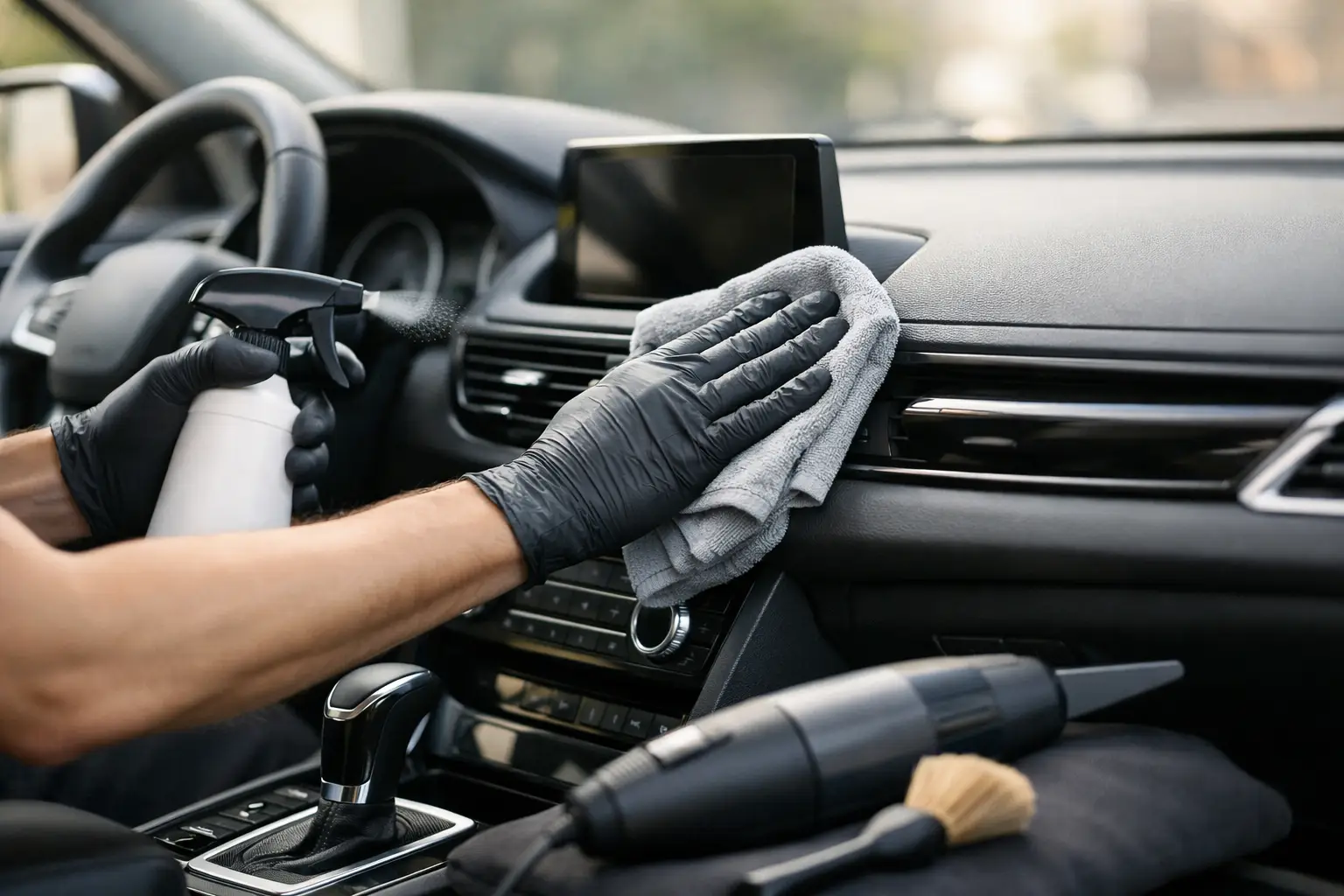
A muddy school-run footwell, biscuit crumbs under the seats and a mysterious mark on the door trim can make even a reliable car feel neglected. Knowing how to clean car interior properly is less about buying a cupboard full of products and more about working in the right order. Set aside an hour or two, choose a dry day if possible, and your car can feel noticeably fresher without turning into a major job.
A few basic tools handle most everyday interior cleaning. Avoid using washing-up liquid, household bleach or strong multi-purpose sprays on every surface. They can leave residue, dry out trim or affect delicate materials.
For a practical clean, gather:
Park somewhere well ventilated and avoid cleaning in strong sunshine. Heat can make products dry too quickly, which is how streaks and sticky patches happen. Always check a cleaner on a hidden area first, especially on leather, suede-effect trim, bright seat fabric or older plastics.
The easiest route is from top to bottom and from dry dirt to damp cleaning. If you spray first and vacuum later, you can turn dust into grime and create extra work for yourself.
Start with the obvious: drinks bottles, receipts, parking tickets, coats, loose change and children’s toys. Take out the floor mats and boot liner too. Be firm with the clutter, but keep an eye out for paperwork, charging cables and anything you actually need in the car.
This is a useful moment to create a small car essentials pouch. A scraper, screen cloth, reusable shopping bag, tissues and a basic first-aid kit are far more useful than a collection of old wrappers in the door pocket.
Vacuum the headlining lightly with a brush attachment, then move to the dashboard, seats, carpets, door pockets and boot. Use the crevice tool around seat rails, between the seat base and backrest, and around the handbrake or centre console. These are the spots where grit quietly builds up.
Slide the front seats as far forward and back as they will go. It sounds simple, but it reveals the crumbs, pet hair and gravel that a quick forecourt vacuum never reaches. If pet hair is stubborn, a slightly damp rubber glove or rubber brush can lift it from fabric before vacuuming.
Do not soak the carpet or seats in an attempt to deal with one stubborn patch. Damp padding takes a long time to dry in British weather and can leave a musty smell behind.
Dust first with a dry microfibre cloth or soft brush. Then put a small amount of interior cleaner onto a cloth rather than spraying directly at the dashboard. This gives you better control around screens, vents, buttons and electrical switches.
Wipe the dashboard, centre console, steering wheel, gear lever, door pulls and door cards. These high-touch areas often hold skin oils, hand cream and grime, so a clean cloth makes a bigger difference here than a heavily scented air freshener ever will.
Use a barely damp cloth around infotainment screens and digital displays, following the vehicle handbook where it gives specific advice. Many screens have anti-glare coatings that do not get on well with strong cleaners. Never flood switches, seams or air vents with liquid.
For air vents, use a soft brush to loosen dust while holding the vacuum nozzle nearby. It is fiddly, but a clean vent stops dust being blown straight back into the cabin when you next turn on the fan.
Fabric seats benefit from a light, targeted approach. Spray upholstery cleaner onto the cloth or use it sparingly on the stain, then gently work from the outside of the mark towards the middle. Blot with a clean towel rather than scrubbing hard, which can spread the stain or roughen the fibres.
For old spills, it may take two gentle treatments rather than one aggressive one. Leave doors or windows open afterwards, where safe, so the seats can dry fully. If the seats remain wet, use the car only when necessary until they are dry.
Leather seats need products made for leather. Wipe away loose dirt first, use a small amount of leather cleaner, then apply conditioner if the product instructions recommend it. Conditioner can help prevent the material feeling dry or looking tired, but too much can leave seats slippery or shiny. If your car has perforated leather, keep liquids especially light around the holes.
Alcantara and suede-effect upholstery need extra care. Use a dedicated cleaner or a barely damp cloth, avoid heavy saturation, and brush gently once dry to restore the finish. When in doubt, check the handbook or ask a professional valeter, particularly for pale upholstery or valuable older cars.
Shake loose dirt from rubber mats, rinse them if needed and let them dry completely before putting them back. Fabric mats can be vacuumed and spot-cleaned like the seats. If they are very muddy, clean them separately so you are not transferring dirt back onto freshly vacuumed carpet.
Work on any carpet stains after vacuuming. Blot rather than rub, and do not use more cleaner than the stain requires. The boot deserves the same attention as the cabin, especially if it carries pushchairs, garden bits, football kit, pets or wet walking boots. A washable boot liner can save plenty of effort over the long run.
Clean the inside of windows last, using a clean glass cloth. Wipe in one direction on the inside and a different direction on the outside next time you wash the car. If you spot a smear later, you will know which side needs another pass.
Pay particular attention to the windscreen, where a film of traffic pollution and interior vapour can make low winter sun harder to deal with. Keep product away from dashboard surfaces and use only enough to clean the glass. Too much spray is the usual cause of streaks.
An air freshener is optional, not a substitute for cleaning. If odours linger, look for the source first: damp mats, forgotten food, a full door bin or a neglected cabin filter can all be responsible. Replacing the cabin filter at the appropriate service interval can make the whole car feel fresher, particularly if the fan smells stale when it starts.
The urge to make everything glossy is understandable, but shiny dressings on the steering wheel, pedals or gear lever are a bad idea. These are grip surfaces, so clean is the goal, not slippery. Similarly, do not use silicone-heavy products on the dashboard if they leave reflections in the windscreen.
Be careful around safety equipment. Avoid pushing cleaners into seat-belt buckles, electrical connectors, sensors and areas marked for airbags. A damp cloth is generally enough for seat belts themselves, and they should be left to dry fully before use. Never use bleach or harsh solvents on the webbing.
Finally, do not ignore the smell of damp. If condensation keeps returning, check for wet carpets, blocked drainage channels, leaking door seals or a damp boot. Cleaning helps, but the real fix is stopping the moisture getting in.
A full interior clean every few months is realistic for most households. The easier habit is a five-minute reset once a week: take rubbish out, shake the mats, wipe the steering wheel and clear the cup holders. If you regularly carry children, pets or muddy gear, make it fortnightly instead.
Keeping a few simple cleaning essentials in the garage or utility cupboard means the job is ready when you are. EasyPeasyMate.Shop is built around those handy everyday fixes that save a separate shopping trip. Deal with a spill when it happens, vacuum before grit gets ground into the carpet, and your next proper clean will be far less of a chore.
