Address
86 Amesbury Road
Manchester M9 6JF United Kingdom
Wondering which fence cleaner works best? Match the cleaner to timber, algae and stains, then clean safely for a fresher-looking garden fence at home.
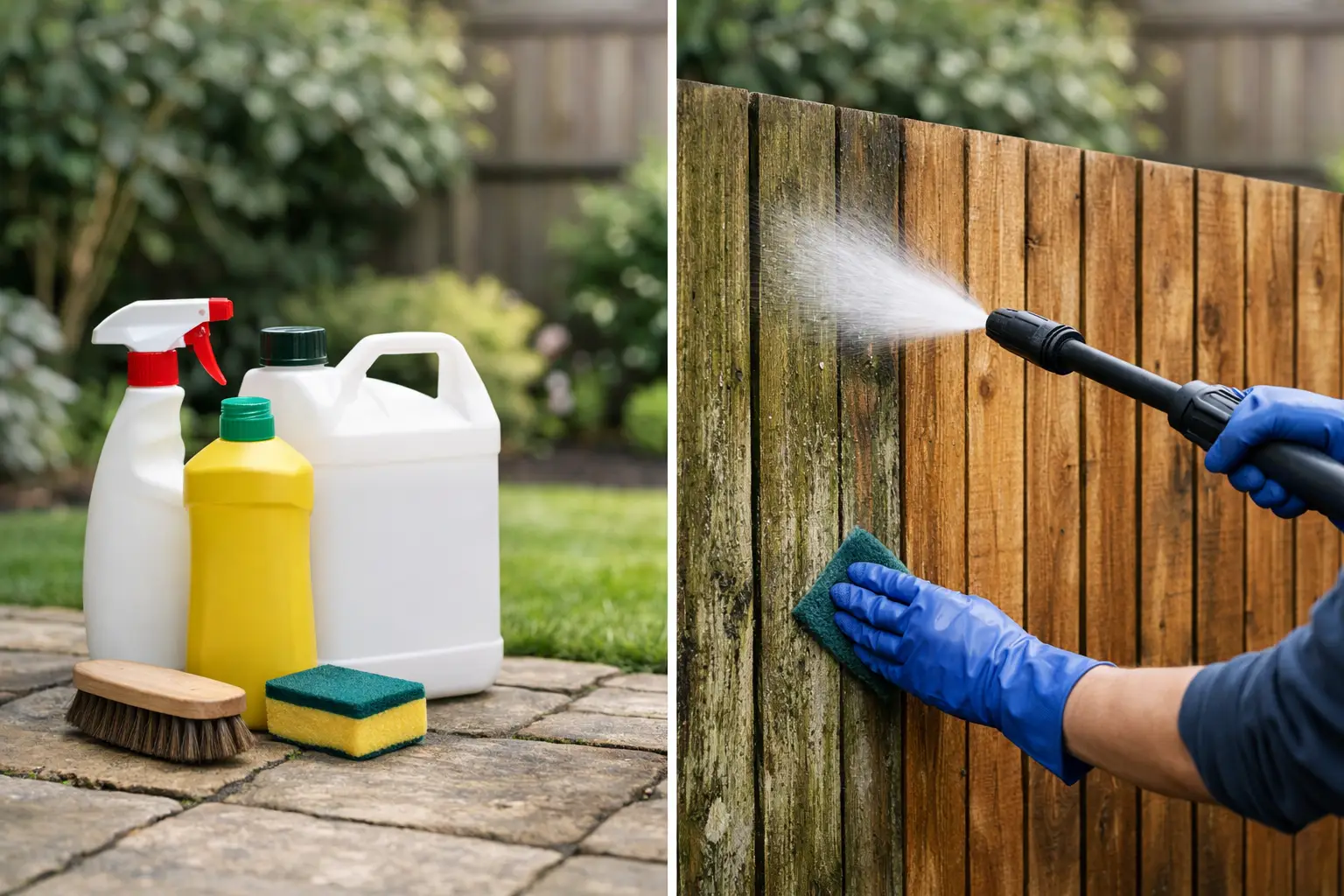
A green, weather-marked fence can make even a tidy garden feel neglected. But before reaching for the strongest bottle on the shelf, ask which fence cleaner works best for the problem you actually have. The right answer depends on whether you are dealing with algae, black mould-like spots, ground-in dirt, old stain or simply timber that has gone grey with age.
For most UK gardens, a purpose-made outdoor cleaner or a suitable diluted biocidal cleaner gives the best balance of results and effort on a weathered wooden fence. Stronger chemical cleaners can work quickly, but they are not always kinder to plants, pets, paintwork or the fence itself. A little matching and preparation saves scrubbing, wasted product and unwanted damage.
Start by identifying the fence material. Most garden fences are pressure-treated softwood, but painted panels, hardwood, composite boards and metal fencing all need a slightly different approach. A cleaner that lifts green algae from bare timber may be unsuitable for a painted finish, while a heavy-duty decking cleaner can be too aggressive for older, dry boards.
For a bare wooden fence with ordinary dirt, pollen and light green growth, a ready-to-use exterior surface cleaner is often the easiest choice. These are designed for outdoor grime and generally need less guesswork than household bleach or washing-up liquid. Apply as directed, leave it for the stated contact time, scrub with a stiff brush and rinse gently.
If green algae, moss or lichen is the main issue, choose a specialist algae and mould remover suitable for fencing. These cleaners are made to treat organic growth rather than just shift surface dirt. Some need rinsing after a short dwell time, while others are slower-acting treatments that weather away over days or weeks. The latter can be handy for awkward panels, but they are not the best option if you want the fence looking ready for guests this weekend.
For black speckling or stubborn dark marks, an oxygen-based wood cleaner can be a sensible first step. It is typically less harsh than chlorine bleach and can brighten weathered timber while dealing with organic staining. Results vary, especially on old wood with deeply embedded marks, so test a hidden area first.
There is no single magic cleaner for every fence. Here is how the main options compare in real garden use.
These are the straightforward choice for general maintenance. They are usually formulated to tackle outdoor dirt, light mildew and green staining on common garden surfaces. Look for one that clearly states it is suitable for wood, and always follow its dilution and rinse instructions.
They are a good fit when the fence is basically sound but looks tired after a wet winter. The trade-off is that they may not fully remove deeply rooted lichen or restore the colour of sun-bleached timber.
A dedicated treatment is usually best for green, slippery growth and recurring black biological marks. UK fences often sit in shade, close to hedges or beside damp soil, so this is a common problem. Removing the growth improves appearance and can help prevent the timber holding unnecessary moisture.
Keep in mind that these formulas can affect nearby plants if used carelessly. Cover delicate planting where practical, avoid a windy day and do not let run-off drain into ponds or watercourses. Keep children and pets away until the area is fully dry and safe according to the product label.
Oxygen-based cleaners are useful where you want to freshen bare timber without using a very harsh chemical. They can lift dirt and dullness, making them particularly useful before applying a new wood stain, preservative or paint.
They are not a shortcut around preparation. If old paint is peeling or a previous stain is flaking, you will still need to remove loose material and sand rough patches. Think of a wood cleaner as part of the preparation, not a replacement for it.
Bleach-based products can make algae and dark marks disappear quickly, which explains their popularity. However, they need careful handling and are rarely the first choice for routine fence cleaning. They can discolour timber, harm surrounding greenery, irritate skin and eyes, and leave an uneven result if applied patchily.
Never mix bleach with any other cleaner, especially products containing acids or ammonia. If you decide a bleach-based exterior product is necessary, use one labelled for outdoor surfaces, protect yourself properly and stick exactly to the instructions. Do not use household bleach as a casual all-purpose garden cleaner.
A pressure washer can be useful for rinsing loose dirt from sturdy fence panels, but high pressure is one of the quickest ways to roughen softwood. It can strip wood fibres, gouge the surface, force water into joints and leave the fence looking furry once dry. That rough surface then holds dirt more easily.
If you use one, choose a low-pressure setting and a wide fan nozzle. Stand well back and keep the spray moving in the direction of the wood grain. Never concentrate the jet on knots, cracked boards, panel edges or loose sections. In many cases, a bucket, brush and garden hose will give a cleaner, more controlled finish.
Choose a dry, mild day with no heavy rain expected immediately afterwards. Clear pots, furniture and children’s toys away from the fence line. Brush off cobwebs, dry leaves and loose soil first, because cleaner works better when it can reach the surface.
Wet nearby plants with clean water before you start, particularly if you are using a stronger treatment. This helps reduce the chance of them absorbing splashes. Then test the cleaner on a small hidden section of fence and let it dry fully. Timber can look quite different once it has dried, so do not judge the result too soon.
Apply the cleaner from the bottom upward to reduce streaks. Work in manageable sections rather than soaking the entire boundary at once. Leave the product for the recommended time, scrub with a medium-stiff outdoor brush and rinse from the top down if the label calls for rinsing.
Let the fence dry completely before applying any treatment. In decent weather, this may take a day or two, though shaded areas can take longer. Sealing or staining damp timber traps moisture and can shorten the life of the finish.
Cleaner cannot repair rotten timber, warped boards or a finish that has failed badly. If pressing a screwdriver gently into the bottom of a post reveals soft, crumbly wood, the issue is structural rather than cosmetic. Replace damaged components before spending time on a deep clean.
Likewise, a fence that turns grey evenly may simply be naturally weathered. A wood brightener or cleaner can improve its appearance, but it may not return the original honey colour. For a more dramatic change, clean the timber, allow it to dry and then apply a suitable exterior wood stain or preservative.
The easiest fence to clean is one that does not stay damp. Cut back climbers and overhanging growth so air can circulate, keep soil and compost away from the base of boards, and avoid piling bags or garden equipment against the panels. A quick spring wash before algae takes hold is usually far easier than tackling a whole year of buildup.
The best fence cleaner is the one that suits your material, tackles the marks you can see and fits the time you have available. Choose a wood-safe exterior cleaner for everyday grime, step up to an algae treatment for green growth, and save stronger products for jobs that genuinely need them. A clean, dry fence is ready to make the rest of the garden look that bit more cared for.
