Address
86 Amesbury Road
Manchester M9 6JF United Kingdom
Reusable versus disposable food containers: compare cost, storage, hygiene and waste to choose the practical option for packed lunches and leftovers.
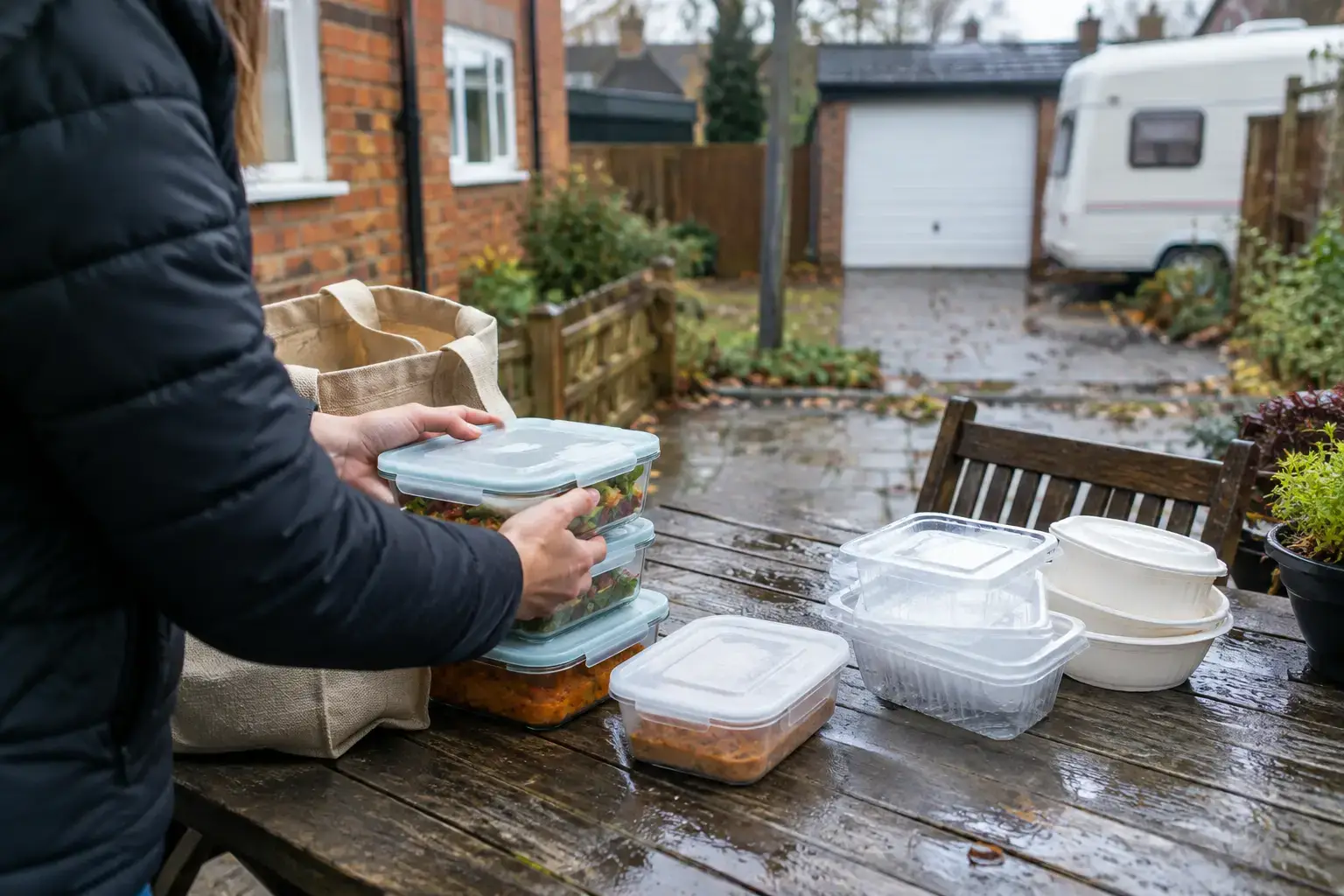
The lunchbox has leaked in the school bag, last night’s curry needs saving, and the kitchen drawer is full of mismatched tubs with missing lids. That is where the choice between reusable versus disposable food containers becomes more than a small household detail. The right option can make packed lunches, batch cooking, parties and fridge storage far less of a faff.
There is no single winner for every job. Reusable containers are usually the sensible everyday choice, while disposable tubs, trays and bags can be genuinely useful when convenience, hygiene or a large crowd is involved. The trick is choosing with the meal, occasion and clean-up in mind.
Reusable food containers are designed to be washed and used again. They come in plastic, glass, stainless steel and silicone, with options ranging from basic clip-lid tubs to divided lunch boxes and freezer-safe meal-prep sets. Their biggest advantage is simple: buy them once, use them repeatedly, and keep your cupboards more organised.
Disposable containers are made for short-term use. Think foil trays for a family gathering, paper food boxes for a picnic, compostable bowls for a children’s party or plastic deli pots for sharing leftovers. They remove the need to wash up and can be handed out without worrying whether they will make their way home.
For day-to-day household storage, reusable usually works out better. A decent set gives leftovers a proper home, keeps ingredients visible and cuts down on the habit of wrapping everything in cling film or reaching for a fresh bag each time. For one-off events, however, disposables can save a surprising amount of time and stress.
Disposable containers look cheaper at first because a pack may cost less than a set of quality reusable tubs. But if your household packs lunches every weekday or regularly freezes portions, you will keep buying that pack. The cost adds up quietly over months.
Reusable containers have a higher upfront cost, particularly glass or stainless-steel versions. Yet they can last for years when treated well. Even straightforward plastic tubs can pay for themselves after repeated use, provided the lids still fit and the containers have not become stained, warped or cracked.
That said, the cheapest reusable option is not always the best value. Flimsy tubs that lose their shape in the dishwasher, leak in a work bag or need replacing after a few uses are not much of an upgrade. Choose a size and material that suits what you actually store. A household that mostly saves chopped veg and sandwiches needs something different from one that batch-cooks soups, pasta bakes and curries.
The waste case for reusable containers is clear when an item is used often enough. Fewer single-use pots, trays and wraps means less rubbish leaving the kitchen each week. It also helps cut down on the pile-up after barbecues, birthday teas and busy family weekends.
Still, reusable does not automatically mean low-impact. A large glass container is only the better choice if it is used many times rather than sitting unused at the back of a cupboard. Replacing containers frequently because they are chipped, lost or unsuitable for the job also reduces the benefit.
Disposable choices vary too. Some paper and compostable food containers may be a better fit for occasions where washing dozens of plates and tubs is unrealistic. Check local council guidance before assuming an item can go in the recycling or food-waste bin. Greasy, food-soiled packaging is often harder to recycle, and not every compostable product is accepted in kerbside collections.
A practical middle ground works well for most homes: use reusables for routine meals and leftovers, then keep a modest supply of disposable containers for parties, guests, gifting food or occasions away from home. It is easier than trying to make one product do every job.
A container only keeps food safe if it is clean, intact and used correctly. Reusable tubs need washing thoroughly after every use, including around seals, clips and lid grooves where food can linger. Let them dry properly before stacking them away, especially if they have rubber seals that can trap moisture.
Plastic containers should be food-safe and used according to their label. If a tub is not marked microwave-safe, do not reheat food in it. Avoid using badly scratched or cracked plastic containers, as they are harder to clean well and may leak. Strongly coloured foods such as tomato sauce, turmeric curries and beetroot can stain plastic, although staining alone is not always a sign that a container is unusable.
Glass is excellent for storing leftovers and reheating food because it does not retain smells or stains as easily. It can be heavier, though, and it is not ideal for every packed lunch bag or young child’s school bag. Stainless steel is durable and light enough for lunches, but it cannot go in the microwave. Silicone bags and collapsible tubs save cupboard space, although they may hold onto odours if not washed and dried carefully.
With disposables, do not assume every container is suitable for hot food, freezer storage or reheating. Thin plastic takeaway-style tubs can deform under heat, while some paper boxes soften with saucy meals. Use each container for its intended purpose, and do not reuse single-use packaging repeatedly if it has become damaged or difficult to clean.
The best reusable containers earn their shelf space by making food easier to see and use. Clear sides help you spot leftovers before they are forgotten. Stackable shapes make better use of the fridge, freezer and cupboard, while matching lids stop the familiar hunt through a drawer of random plastic.
For batch cooking, choose a few container sizes rather than buying every shape going. Small pots are handy for dips, berries, sauces and snack portions. Medium containers suit a lunch-sized pasta, rice or salad portion. Larger tubs are useful for family leftovers, chopped vegetables or marinating food.
Portioning meals into reusable containers can also reduce waste. It is easier to take one serving from the freezer before work than defrost a large dish and hope everyone wants the same meal. For families, separate snack pots can make weekday mornings quicker and cut down on buying individually wrapped snacks.
Disposable containers win when food is leaving your home for good. Sending guests away with cake, preparing a meal for a friend or running a school, club or community event is much simpler when you do not need to track down your containers afterwards. Choose sturdy options with secure lids if food will travel, rather than flimsy trays that bend under weight.
For packed lunches, reusable containers are normally the clear choice. Look for leak-resistant lids, a compact shape and sections if you like to keep fruit, sandwiches and savoury snacks apart. For salads or saucy meals, a dependable seal matters more than a fancy design.
For leftovers and meal prep, reusable glass or quality plastic containers offer flexibility. You can portion, refrigerate, freeze and, where suitable, reheat without transferring food between several dishes. This makes after-work dinners considerably easier.
For picnics, road trips, caravanning and garden gatherings, the answer depends on the set-up. Reusable tubs are brilliant if you are bringing food home and have access to washing-up facilities. Disposable plates, bowls or food boxes can make more sense for a larger group outdoors, especially when breakages and carrying space are concerns.
For parties and buffet tables, a mix is often best. Use reusable containers to prep and transport food, then choose disposable serving pieces where they genuinely reduce the clean-up. It keeps the practical benefits without filling the cupboard with items you rarely use.
Before buying more, take a quick look at how food moves through your week. Do you need five lunch boxes on a Monday morning? Are freezer portions your weekday lifesaver? Do you often host family barbecues, or are you mainly trying to tame leftover dinners?
Then prioritise three things: a secure lid, a useful size and a material that suits the task. Matching sets are worth considering because they stack neatly and make lids easier to find. But do not chase perfection. A small, hardworking collection is more useful than a cupboard crammed with specialist containers.
EasyPeasyMate shoppers tend to value products that solve ordinary problems without overcomplicating the job, and food storage is exactly that sort of purchase. Start with the meals and occasions you have most often, then build a container collection that keeps food fresher, kitchens tidier and daily routines a little easier.
