Address
86 Amesbury Road
Manchester M9 6JF United Kingdom
Find the best car emergency kits for UK driving, with practical essentials for breakdowns, winter weather, family journeys and everyday peace of mind too.
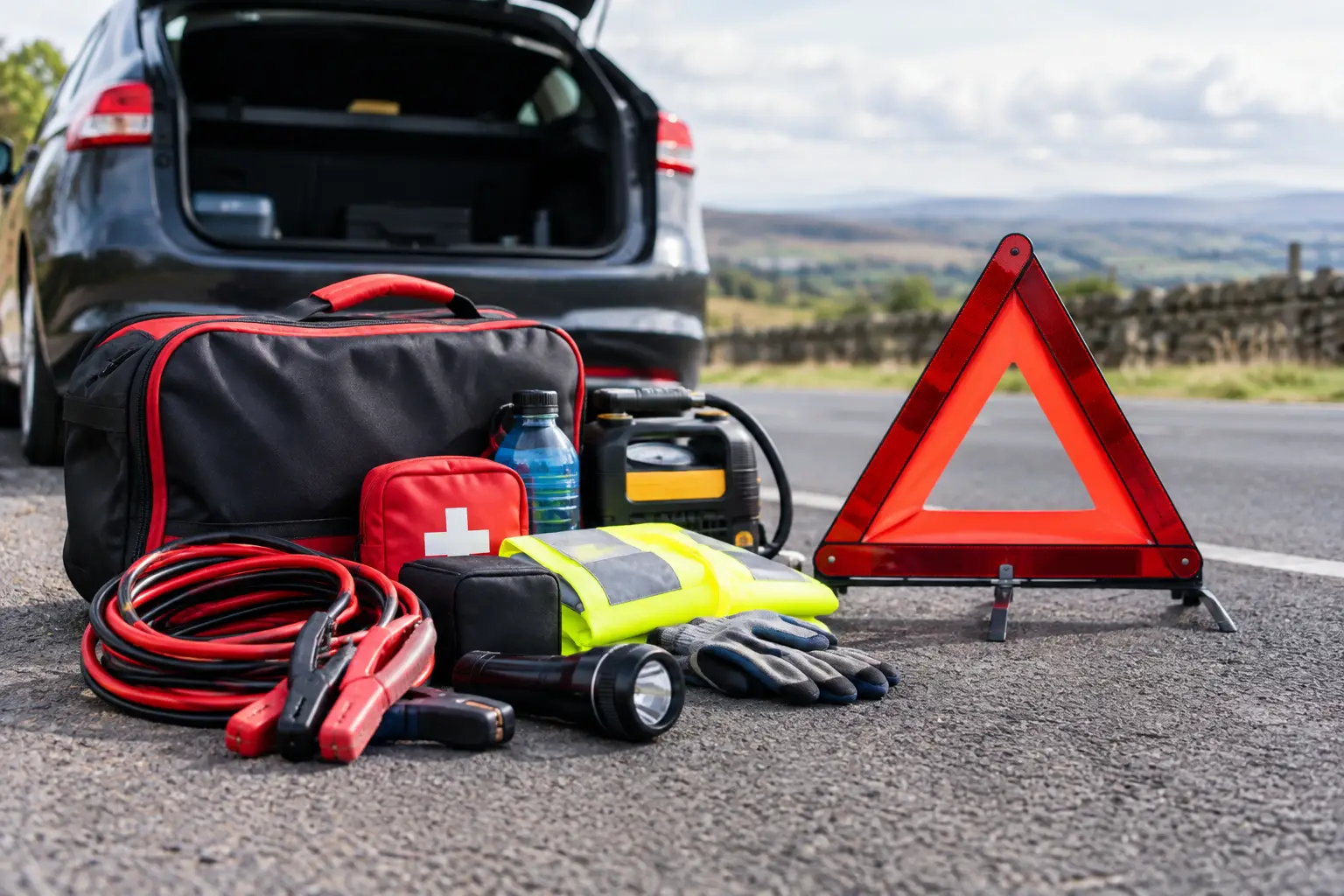
A flat tyre in supermarket car park rain, a dead battery before the school run, or a long hold-up on a cold motorway can turn an ordinary journey into a stressful one. The best car emergency kits are not about filling the boot with gadgets you will never use. They are about keeping a small set of dependable essentials close to hand, so you can deal with the basics safely and get moving again when possible.
For UK drivers, the right kit depends on the car, the season and who usually travels with you. A compact city car needs a lighter approach than a family SUV used for holidays, while a caravan tow vehicle calls for a few extra checks. The aim is simple: pack useful items, store them neatly, and know where they are before you need them.
A worthwhile emergency kit should help with four common situations: a breakdown, a minor roadside issue, poor weather and an unexpected delay. Start with visibility and personal safety. A high-visibility vest, a wind-up or battery torch, a basic first-aid kit and a mobile phone charging cable are small items that can make a big difference.
For a breakdown, you also need a way to contact help and stay safe while you wait. Keep your breakdown provider details saved on your mobile phone, but carry them on a small card too in case the battery dies or the signal is patchy. If you are on a motorway, get behind the safety barrier where possible and follow the instructions shown on emergency roadside signs. Do not attempt repairs on a live carriageway.
The kit itself will not replace proper servicing, roadworthy tyres or enough fuel. Think of it as practical backup for the awkward moments that routine maintenance cannot always prevent.
There is no single box that suits every motorist. Ready-made kits are convenient and often provide a sensible starting point, particularly if you want the basics in one tidy bag. The trade-off is that they can include lower-priority items while missing something your car genuinely needs, such as a tyre inflator or a suitable charging lead.
Building your own gives you more control and lets you choose quality where it matters. A strong storage bag or lidded box is usually better than loose items rolling around the boot. Choose something water-resistant, easy to carry and visible enough to find quickly. A bright bag is useful, but a clearly labelled box works just as well.
If you mainly do short local journeys, a compact kit with a torch, first aid supplies, gloves, charger, tyre inflator and jump leads may be enough. If you regularly drive on motorways, visit rural areas or take family holidays, add warm layers, drinking water, snacks and a blanket. For older cars, a few basic tools can be more useful than an expensive multi-purpose gadget.
Some items earn their place in almost any vehicle. Keep a high-visibility vest in the cabin rather than buried under luggage, so it is available before you step out. A reliable torch is another must-have, especially in winter when darkness arrives early. Check its batteries twice a year, or choose a rechargeable model and keep the cable with it.
A compact first-aid kit should cover cuts, grazes, minor burns and headaches. Look for plasters in several sizes, sterile wipes, dressings, disposable gloves, bandages and a foil blanket. Replace anything used or out of date rather than assuming the kit is still complete.
Also include a power bank or 12V charging lead, although neither helps much if the car battery is flat and you have no power bank charge left. Keep it topped up at home. A paper map can sound old-fashioned, but it is handy in remote areas where sat-nav signal or mobile data disappears.
For everyday messes and minor repairs, pack a pair of work gloves, a small roll of duct tape, cable ties, a microfibre cloth and a few rubbish bags. They take up very little room and are surprisingly useful after muddy walks, spills, wet shoes or a loose trim piece.
Jump leads, a jump starter and tyre equipment are where it pays to be selective. Thin, cheaply made jump leads can be difficult to use and may not be suitable for larger engines. Check that the leads are long enough and rated for your vehicle. If you are unsure how to use them safely, a portable jump starter with clear instructions can be a simpler option, but it still needs charging regularly.
For tyres, first check whether your car has a spare wheel, a space-saver spare, run-flat tyres or only a sealant and compressor kit. Many newer cars do not come with a full spare wheel. If you have one, make sure the tyre is properly inflated and that you have the locking wheel nut key if your wheels require it.
A 12V tyre inflator is useful for slow pressure loss and for topping up before a journey, but it will not fix a serious puncture or damaged sidewall. Tyre sealant can get you to a safe repair point in some cases, yet it may not suit every tyre or repair situation. Check your handbook and do not drive on if the tyre is visibly split, badly deflated or unsafe.
A warning triangle is included in many kits, but UK guidance differs by location. Never put one on a motorway, and do not place it anywhere that requires you to take unnecessary risks in traffic. Your first priority is always getting yourself and passengers to a safe place.
Winter driving is the clearest reason to refresh a car kit. Frost, heavy rain, floods and sudden snow can leave drivers waiting longer than expected. Keep a warm blanket, waterproof poncho, spare gloves, hat and a pair of dry socks in the boot. They are especially worthwhile for children, older passengers and anyone travelling after dark.
An ice scraper and de-icer should be easy to reach, not tucked under the shopping. A small folding shovel can be useful in areas that see regular snow, while a bag of grit or traction mats may help on an icy driveway. These are less essential for every driver, so buy according to where you live and travel rather than adding weight for the sake of it.
In summer, swap some cold-weather extras for sun cream, bottled water and a sunshade. Water should be replaced regularly, particularly if it has been sitting through hot and cold weather. For longer trips, keep simple snacks that store well, such as cereal bars or biscuits, and check their dates every few months.
When children travel with you, emergency planning is partly about comfort. Spare nappies, wipes, a change of clothes, a familiar snack and a small activity can turn a delay from a meltdown into a manageable pause. Keep these separate from the vehicle safety kit so they are easy to replenish after use.
For dogs, add a collapsible water bowl, water, a towel, waste bags and a lead. In hot weather, never rely on opening a window to keep a pet safe in a parked car. Plan stops and shade properly instead.
Caravan owners and regular tow-vehicle users should carry equipment suited to the full outfit: wheel chocks, a tyre pressure gauge, gloves, levelling aids and a suitable torch are sensible additions. Check towing lights, hitch connections and tyre pressures before leaving, rather than treating the emergency kit as a backup plan for avoidable faults.
The most useful kit is the one you can find in the dark and trust without checking every item first. Keep the high-vis vest, torch and mobile phone cable within reach of the driver’s seat. Put heavier items, tools and blankets in a secured boot box so they do not become hazards under hard braking.
Set a reminder at the start of winter and before a major trip. Check torch batteries, power bank charge, first-aid supplies, tyre sealant dates, bottled water and snack expiry dates. Use that moment to look at your spare tyre and make sure the wheel brace, jack and locking nut key are all present.
EasyPeasyMate.Shop is all about practical everyday fixes, and a well-organised car kit fits that idea perfectly. Start with the essentials you are likely to use, add extras for your regular journeys, and leave a little room for the unexpected. The calmest roadside solution is usually the one you prepared before the warning light came on.
